
Light Fixture Repair in Oahu
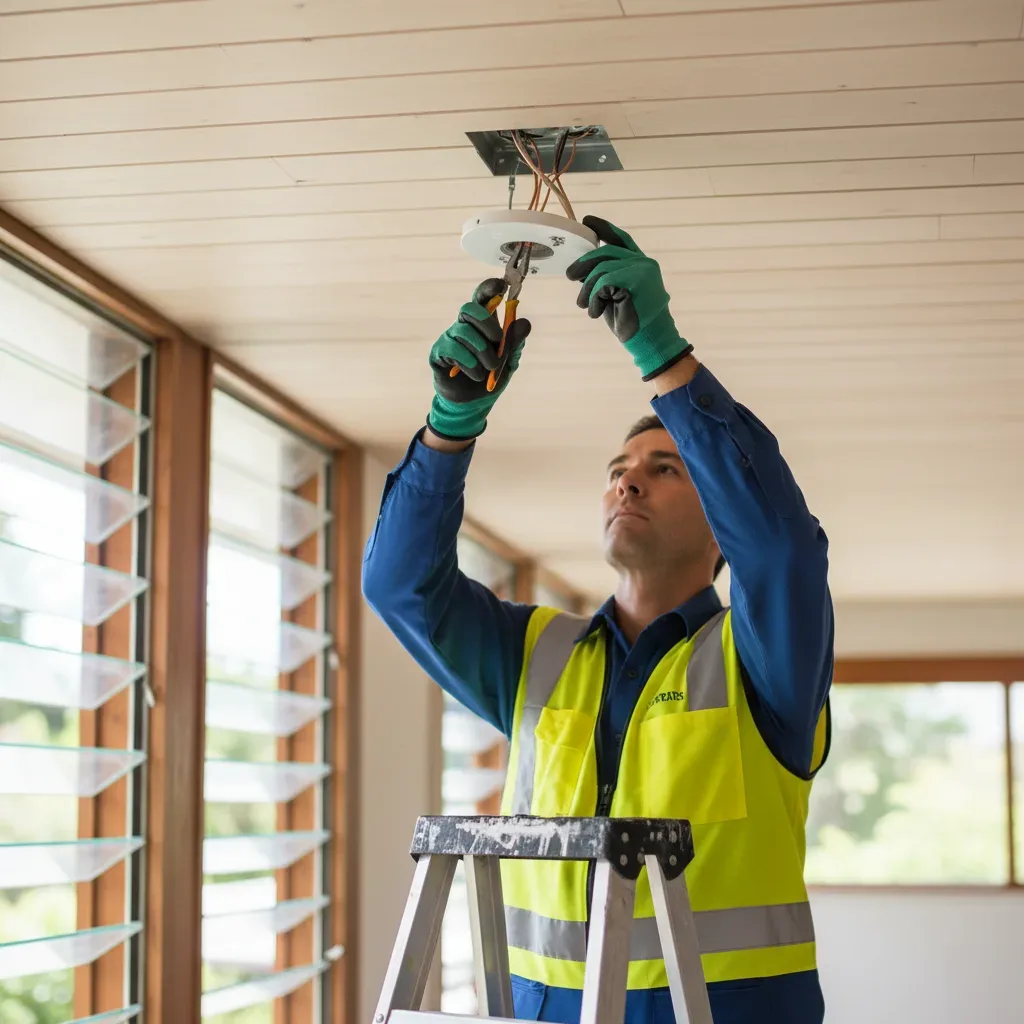
Quick Summary:
Light Fixture Repair in Oahu: Get Your Lights Working Again
What’s Covered on This Page
- Signs Your Light Fixture Needs Repair
- What a Light Fixture Repair Visit Looks Like in Oahu
- Common Light Fixture Problems Found in Oahu Homes
- How to Prepare for a Light Fixture Repair Appointment
- Preventing Light Fixture Problems in Oahu’s Climate
- Why do my lights keep flickering even after I replace the bulb?
- Is it safe to keep using a light fixture that buzzes or hums?
- What should I do if I see scorch marks around my ceiling light?
- How does Oahu’s climate affect light fixtures in my home?
- What happens during a light fixture repair visit?
- Can I repair a light fixture myself, or do I need a licensed electrician?
Need light fixture repair?
Schedule Electrical Service. Call True Power Electrical Services now.
Signs Your Light Fixture Needs Repair
Flickering lights aren’t just annoying. They’re trying to tell you something. We get calls every week from homeowners across Oahu who’ve been living with a light fixture problem for months before finally picking up the phone. Most of the time, the signs were there early on.
The most obvious one? A light that flickers or dims on its own. Not when the AC kicks on or during a storm. Just randomly, while you’re sitting in your living room. That usually points to a loose connection inside the fixture itself, or sometimes worn-out wiring behind the canopy plate. Either way, it’s not something a new bulb will fix.
Buzzing is another big one. If you hear a faint hum coming from a ceiling light or wall sconce, something’s off. Could be a failing ballast in older fluorescent fixtures. Could be a dimmer switch that isn’t compatible with your current bulbs. We see this constantly in homes around Kailua where older fixtures have been paired with newer LED bulbs without updating the switch.
Then there’s the fixture that just won’t turn on at all. You’ve swapped the bulb. You’ve checked the breaker. Still nothing. The issue almost always lives inside the fixture’s socket or the wiring connection at the junction box. That’s not a DIY situation.
Some signs are visual. Scorch marks or discoloration around the base of a fixture mean heat buildup has been happening for a while. According to the U.S. Consumer Product Safety Commission, faulty light fixtures contribute to thousands of home electrical fires each year. That brown ring around your ceiling light isn’t cosmetic. It’s a warning.
Here’s one people overlook. A fixture that feels hot to the touch, even with the right wattage bulb. Excess heat means the fixture is working harder than it should. The internal wiring could be degrading, or the fixture itself may not be rated for the type of bulb installed.
Don’t wait for a small problem to become a dangerous one. If any of this sounds familiar, our licensed team can diagnose it fast and get your Oahu home back to safe, reliable lighting.
What a Light Fixture Repair Visit Looks Like in Oahu
You called. We’re on the way. But what actually happens when we show up? Most folks haven’t had an electrician out for a light fixture before, so here’s the honest rundown. our full range of electrical services our full range of electrical services
First, we talk. Right there in your kitchen, your lanai, your office lobby. You tell us what’s going on. Flickering? Dead fixture? Buzzing sound that won’t quit? We listen, then we look. Our licensed electrician checks the fixture itself, the switch controlling it, and the wiring behind the wall or ceiling. The problem is rarely what homeowners expect. A “bad fixture” often turns out to be a loose neutral wire or a failing switch that’s been quietly degrading for years.
We carry a voltage tester, a circuit analyzer, and the most common replacement parts right on the truck. That means if it’s a straightforward fix, like a corroded socket or a faulty ballast in an older fluorescent unit, we can handle it on the spot. No second trip. No waiting around for a week.
Older homes in Kailua and across Oahu sometimes throw us curveballs. Aluminum wiring connections, outdated junction boxes tucked into tight attic spaces, or fixtures mounted to ceiling fans with questionable support brackets. We see it all. When something like that comes up, we explain exactly what we found and what it takes to bring it up to current electrical code. No surprises.
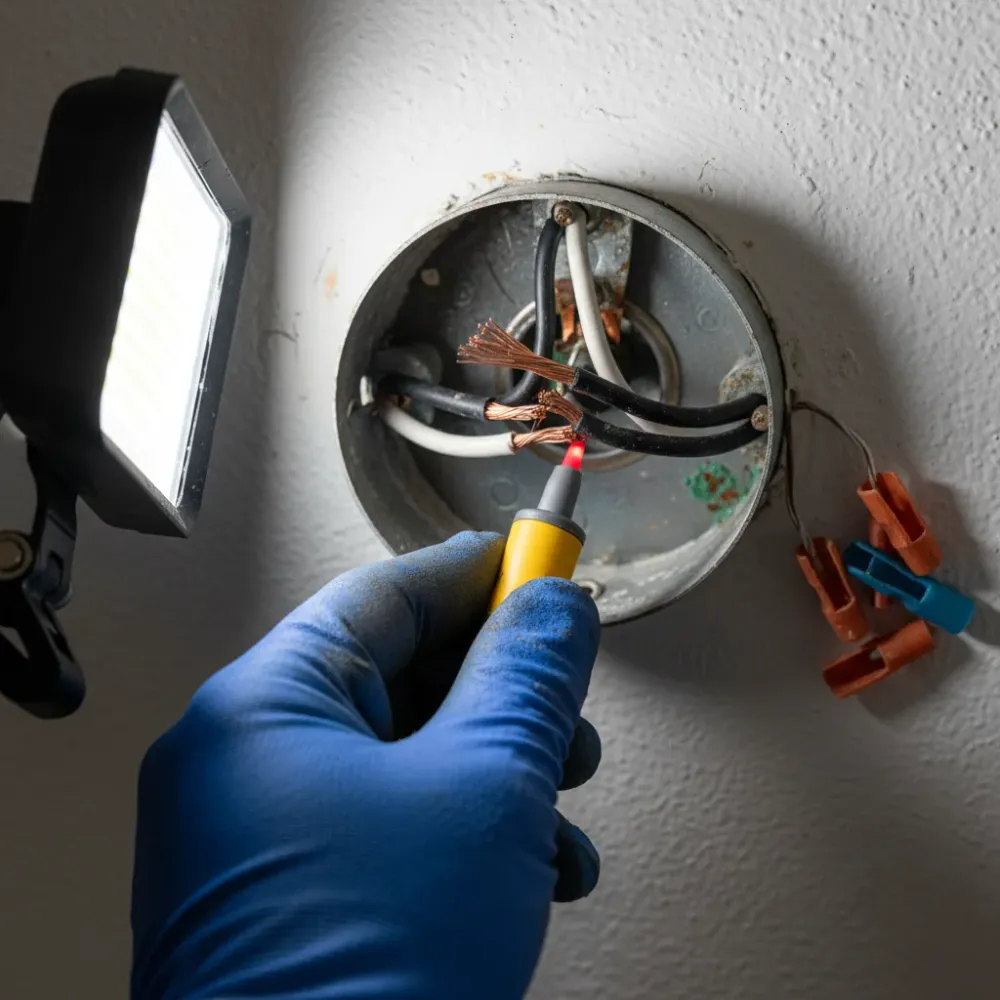
For light commercial spaces, the process is similar but we also check the circuit load. A retail shop running ten recessed lights on a single 15-amp circuit is asking for trouble. We’ll flag that and recommend a safe path forward.
The whole visit usually wraps up faster than you’d think. We clean up, test everything, and make sure you see the fixture working before we pack a single tool. If we spot anything else during the visit, like an outlet that’s warm to the touch or a panel that looks overloaded, we’ll mention it. You can explore our full range of electrical services if something else needs attention. But we won’t push. That’s not how we operate at True Power Electrical Services.
You should feel good about what just happened in your home. That’s the whole point.
Common Light Fixture Problems Found in Oahu Homes
Flickering lights aren’t just annoying. They’re trying to tell you something. We get calls about this almost every day from homeowners across Oahu, and the fix is rarely as simple as swapping a bulb.
The most common issue we find is a loose or corroded connection inside the fixture itself. Oahu’s salt air and humidity speed up corrosion on wiring terminals, socket contacts, and even the screws holding everything together. A fixture that worked fine for years can suddenly start acting up because moisture crept into the canopy where the wires connect at the ceiling. We see this constantly in homes near Kailua and along the Windward side where trade winds carry salt right through window screens and into living spaces.
Burnt-out sockets are another big one. You screw in a new bulb, it works for a week, then dies again. That’s not a bulb problem. The socket tab inside the fixture gets pushed flat over time, losing contact with the base of the bulb. Or the socket itself has heat damage from years of use with the wrong wattage bulb. Quick fix for a licensed electrician. Frustrating puzzle for everyone else.
Then there’s the buzzing. Older dimmer switches paired with newer LED bulbs create a hum that drives people crazy. The dimmer and the bulb aren’t compatible, and the fixture takes the blame. We sort this out by matching the right dimmer technology to your specific fixtures.
Outdated wiring causes problems too. Plenty of homes on Oahu still have aluminum wiring or older cloth-insulated conductors feeding ceiling fixtures. These connections degrade over time and can create hot spots. According to the U.S. Consumer Product Safety Commission, faulty wiring is a leading cause of residential electrical fires. That’s why we always inspect the wiring behind the fixture, not just the fixture itself.
Water intrusion is the sneaky one. A small roof leak you haven’t noticed yet can drip onto a recessed light or ceiling fan junction box. By the time the light starts cutting out, moisture has already been sitting on live connections. We run into this in older Honolulu neighborhoods where roofing hasn’t been updated in decades. Catching it early saves you from a much bigger repair down the road.
Need help with light fixture repair?
Schedule Electrical Service. True Power Electrical Services is ready to help.
How to Prepare for a Light Fixture Repair Appointment
A little prep goes a long way. Before our team arrives at your Oahu home, there are a few simple things you can do to help the job go smoothly and save everyone time.
First, clear the area around the fixture. If it’s a ceiling light in your kitchen, move anything off the counters directly below it. We bring our own ladders and tools, but we need room to set up safely. For wall sconces in a hallway or bathroom, just pull any furniture or décor away from the wall. You don’t need to do anything major. Just give us a clear path and a few feet of workspace.
Next, make a note of what’s been happening. Does the light flicker only at certain times of day? Does it buzz when you use a dimmer? Did it stop working after a storm rolled through Kailua last week? These details matter more than you’d think. What you’ve noticed usually tells us exactly where to start looking. Write it down if you need to. Even small observations help us diagnose the problem faster.
If you can, figure out which breaker controls the fixture. You don’t need to turn it off yourself. But knowing which one it is saves us a trip back and forth to your panel. Most homes in Oahu have the breaker box in the garage or a utility closet. If yours isn’t labeled, don’t worry about it. We’ll find it.
Got pets? We love them, but a curious dog underfoot while we’re on a ladder isn’t ideal. Keeping pets in another room during the repair keeps everyone safe, including your four-legged family members.
One more thing. If you’ve already tried replacing the bulb or flipping the switch a dozen times, that’s good to mention too. It tells us you’ve ruled out the obvious stuff. We won’t judge you for trying, we respect it. Wondering which electrical issues are safe to handle yourself before calling us? Resources like 25 easy home repairs you should never pay someone else to do can help you sort out what’s a true DIY task versus what needs a licensed electrician. Need help figuring out what’s going on before we even show up? Give us a call. We’re happy to walk you through it.
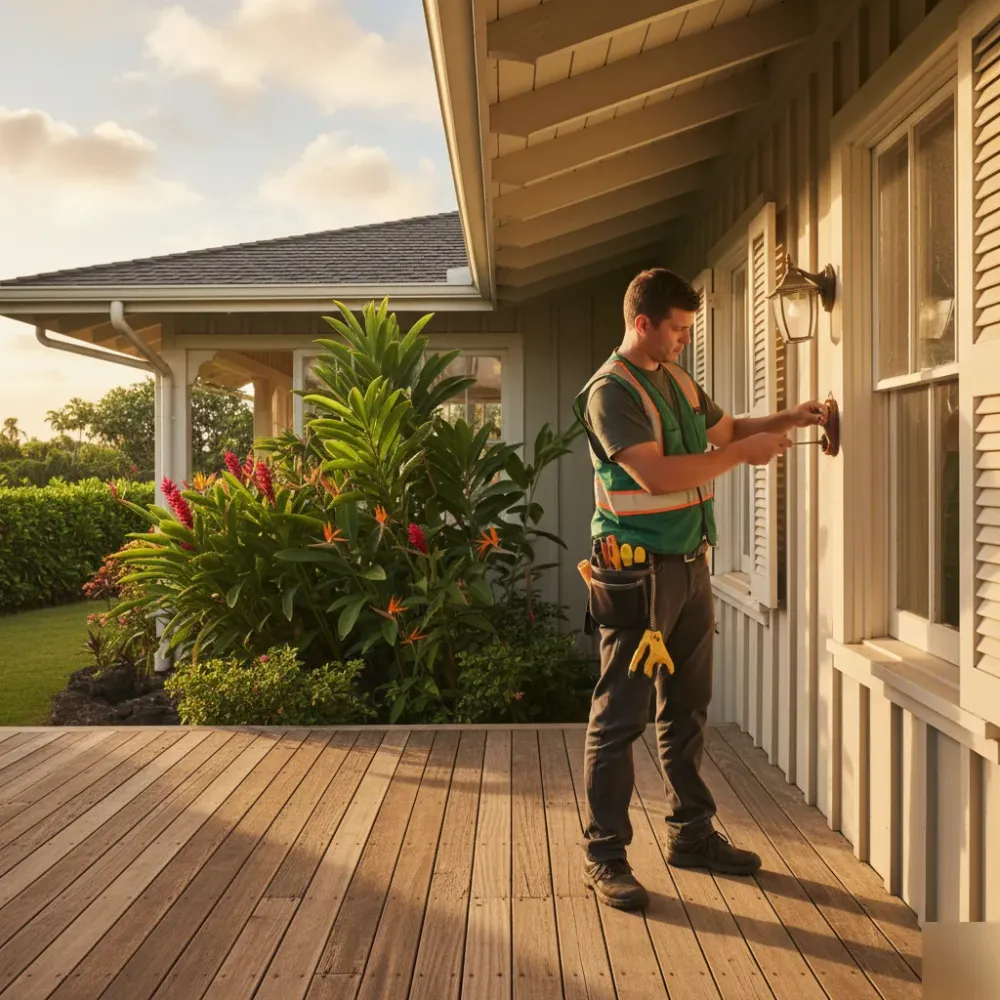
Preventing Light Fixture Problems in Oahu’s Climate
Salt air doesn’t care how new your fixtures are. It corrodes metal, eats through cheap finishes, and turns a perfectly good light into a flickering mess in less time than you’d expect. We see it constantly in homes near Kailua Beach and along the North Shore. Fixtures that would last a decade on the mainland start showing problems in two or three years here.
The humidity on Oahu is relentless. Moisture gets into junction boxes, behind canopies, and around socket connections. That slow buildup of condensation creates the perfect conditions for corrosion and short circuits. So what can you actually do about it?
Start with the right materials. Fixtures rated for damp or wet locations hold up much better in our tropical climate. Stainless steel hardware, sealed gaskets, and marine-grade components make a real difference. If you’re installing outdoor fixtures, especially in Ewa Beach or anywhere with direct ocean exposure, ask specifically about corrosion-resistant ratings. It’s a small detail that saves you hundreds down the road.
Regular inspections matter more here than anywhere else. We recommend checking your fixtures at least once a year. Look for green or white buildup on metal parts, discolored wiring, or any signs of moisture inside the fixture housing. Catching these early means a simple repair instead of a full replacement. According to the Electrical Safety Foundation International, faulty wiring and related electrical failures are among the top causes of home fires, which makes routine checks more than just maintenance.
Keep your outdoor fixtures clean. A quick wipe-down with a dry cloth every few months removes salt deposits before they cause damage. And make sure your bathroom and kitchen ventilation is actually working. Excess indoor humidity accelerates fixture wear in those rooms faster than any other part of the house.
One more thing. If you’ve had any fixture repaired, don’t skip the follow-up. We tell every customer on Oahu the same thing. Check it again in six months. Our climate tests every repair, and a quick look now prevents a bigger call later. That’s not a sales pitch. That’s just how electrical work holds up in the islands.
Frequently Asked Questions
Common questions about light fixture repair services in Oahu
Why do my lights keep flickering even after I replace the bulb?
A new bulb won’t fix flickering if the real problem is inside the fixture. Most of the time, we find a loose wire connection or a corroded terminal behind the canopy plate. In Oahu, salt air and humidity speed up that corrosion faster than most people expect. The fixture can look fine from the outside while the wiring inside is degrading. A licensed electrician can pinpoint the exact cause and fix it safely.
Is it safe to keep using a light fixture that buzzes or hums?
You should stop using it until it gets checked. A buzzing fixture usually means a failing ballast, an incompatible dimmer switch, or a loose connection that’s creating resistance. All of those can generate heat over time. In Oahu homes, we often find older dimmer switches paired with newer LED bulbs causing this exact problem. It’s a quick fix when caught early, but ignoring it can lead to heat damage inside the fixture.
What should I do if I see scorch marks around my ceiling light?
Turn off that fixture right away and call a licensed electrician. Scorch marks mean heat has been building up inside the fixture for a while. That’s not a cosmetic issue. The U.S. Consumer Product Safety Commission links faulty fixtures to thousands of home electrical fires every year. In Oahu, we see this in fixtures that were installed with the wrong bulb wattage or that have wiring connections that have loosened over time.
How does Oahu’s climate affect light fixtures in my home?
Salt air and high humidity are hard on electrical connections. Oahu’s trade winds carry moisture and salt particles right into your home, especially on the Windward side near Kailua. That speeds up corrosion on socket contacts, wiring terminals, and the screws inside your fixtures. A fixture that worked fine for years can start flickering or failing because moisture got into the canopy. Regular inspections help catch this before it becomes a bigger problem.
What happens during a light fixture repair visit?
We start by listening to what you’ve noticed, then we inspect the fixture, the switch, and the wiring behind the wall or ceiling. We carry voltage testers, a circuit analyzer, and common replacement parts on the truck. Most straightforward repairs get done the same visit. If we find something unexpected, like outdated wiring or an undersized junction box, we explain it clearly before doing anything. You’ll see the fixture working before we pack up.
Can I repair a light fixture myself, or do I need a licensed electrician?
Simple things like swapping a bulb are fine on your own. But anything that involves wiring, the junction box, or the socket itself should be handled by a licensed electrician. In Oahu, many older homes still have aluminum wiring or cloth-insulated conductors that need careful handling. Getting it wrong can create a fire hazard or a code violation. A licensed electrician gets it done right the first time and keeps your home up to current electrical code.
Ready to Get Started?
Schedule Electrical Service Call (808) 427-7200 today.
