
GFCI Outlet Installation in Oahu
Quick Summary:
GFCI Outlet Installation in Oahu: Protect Every Wet Area in Your Home
What’s Covered on This Page
- Why Oahu Homes Need GFCI Outlets More Than Most
- Where GFCI Outlets Must Be Installed in Oahu Residences
- What Happens During a GFCI Outlet Installation in Oahu
- How Electricians Verify a GFCI Outlet Is Working Correctly
- Keeping GFCI Outlets Working in Oahu’s Coastal Environment
- Do Oahu homes really need GFCI outlets more than homes on the mainland?
- Which outlets in my Oahu home are required to have GFCI protection?
- What should I expect when a licensed electrician arrives to install GFCI outlets?
- How do I know if my GFCI outlet is working correctly?
- Can one GFCI outlet protect multiple outlets in my home?
- How soon can I get GFCI outlets installed in my Oahu home?
Need gfci outlet installation?
Schedule Electrical Service. Call True Power Electrical Services now.
Why Oahu Homes Need GFCI Outlets More Than Most
Salt air changes everything. Most people on the mainland don’t think twice about their outlets, but here on Oahu, the environment is working against your electrical system every single day. That constant humidity, the salt carried in from the ocean, the sudden tropical downpours. All of it speeds up corrosion on wiring and outlet components faster than you’d expect.
We see this every single week. A homeowner in Kailua calls because they got a small shock reaching for the bathroom light switch. Or someone in Ewa Beach notices a faint burning smell near their kitchen counter. In most of those cases, the outlet has no ground fault protection at all. It’s just a standard two-prong or three-prong outlet that’s been sitting in a moisture-rich environment for years.
GFCI outlets exist to stop electrical shock before it happens. They monitor the flow of current and shut off power in a fraction of a second if they detect even a tiny imbalance. That’s the difference between a close call and a trip to the emergency room. According to the Electrical Safety Foundation International, GFCI technology has reduced electrocutions in the home by roughly 83 percent since the 1970s.
So why does Oahu make this more urgent? Think about how close water is to everything in your daily life here. Outdoor showers after a beach day. Lanai outlets exposed to trade wind rain. Kitchens and bathrooms with windows left open year-round. Your electrical system deals with moisture exposure that homes in drier climates simply don’t face.
Older homes across Oahu, especially those built before the 1990s in neighborhoods like Manoa and Pearl City, often lack GFCI protection in areas where current code absolutely requires it. Bathrooms, kitchens, garages, laundry rooms, and any outdoor receptacle all need GFCI outlets under Hawaii’s adopted National Electrical Code standards. But plenty of homes were built or remodeled before those rules applied.
That gap between what’s installed and what’s required isn’t just a code issue. It’s a safety issue for your family. And the tropical conditions on Oahu make that gap more dangerous with every passing year.
Where GFCI Outlets Must Be Installed in Oahu Residences
This is the question we get more than any other. People know they need GFCI outlets somewhere. They’re just not sure where exactly. So let’s clear it up. our full range of electrical services our full range of electrical services
The National Electrical Code requires GFCI protection in every spot where water and electricity could meet. That means kitchens, bathrooms, laundry rooms, garages, and any outdoor receptacle. Unfinished basements count too, though most Oahu homes don’t have them. Crawl spaces under a house? Same rule. If there’s moisture, there needs to be protection.
But here’s what catches a lot of homeowners off guard. The code also covers areas within six feet of any sink. That includes wet bars, utility sinks in your garage, and even that small handwash station in a workshop. We see this missed all the time in older Kailua homes where someone added a sink years ago but never upgraded the nearby outlet.
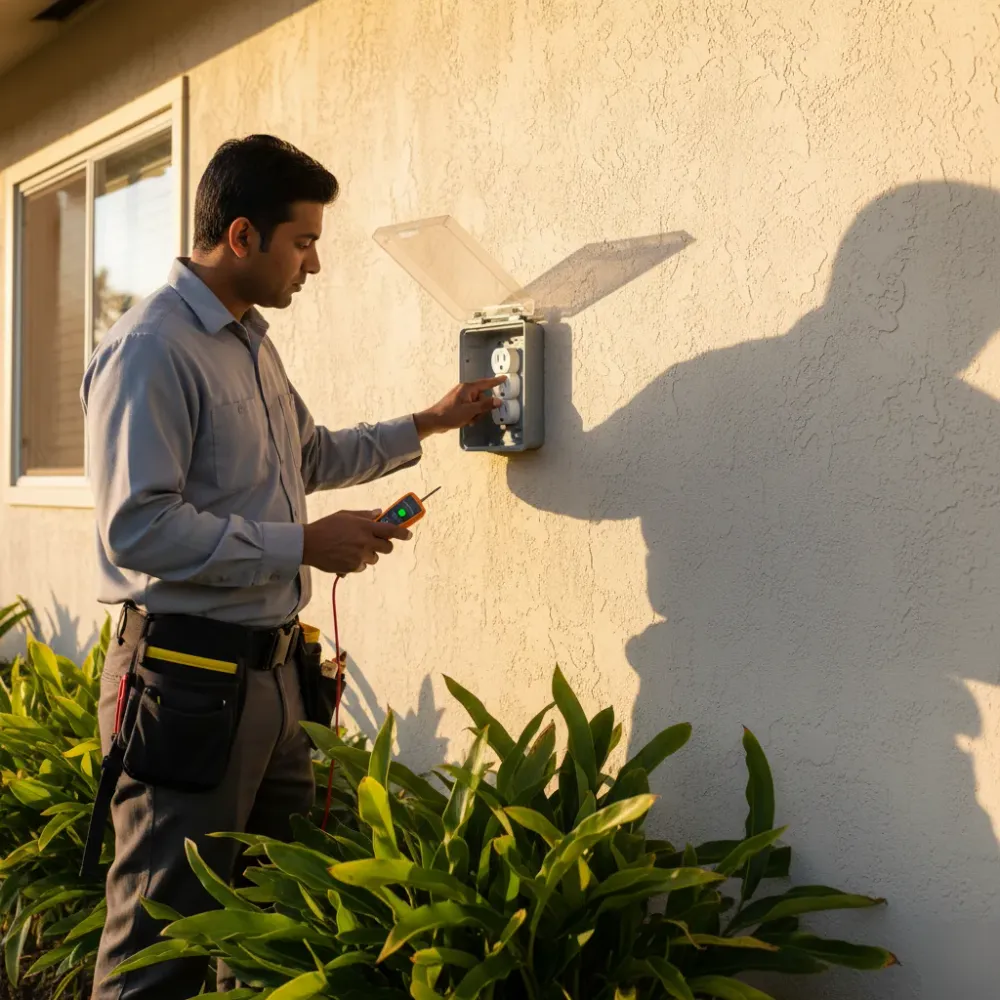
Outdoor living spaces are a big one on Oahu. Lanais, covered patios, pool equipment areas, hot tub connections. Every single outdoor receptacle needs GFCI protection. The salt air and tropical humidity we deal with here make corrosion a real concern, which means the risk of ground faults is actually higher than on the mainland. When we inspect an older property, the outdoor outlets are almost always the ones missing protection.
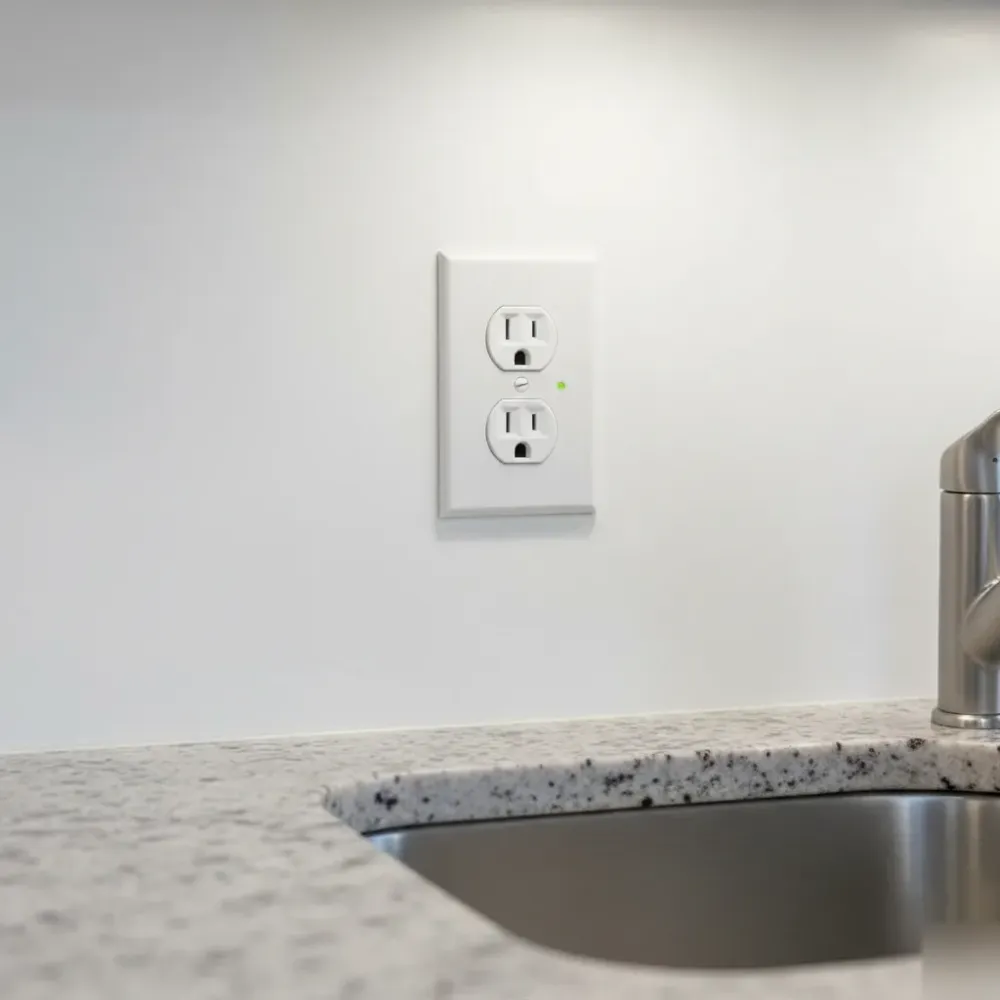
Your kitchen deserves extra attention. Every countertop receptacle needs GFCI coverage. Not just the one near the sink. All of them. The island outlet people use for blenders and rice cookers? That one too.
Bathrooms are straightforward. Every outlet in every bathroom. No exceptions. And if your home in Honolulu was built before the mid-1970s, there’s a strong chance none of your bathroom outlets have GFCI protection because the code didn’t require it back then. That doesn’t mean you’re grandfathered in on safety. It means you’re overdue.
We also install GFCI outlets near boat lifts, carports with power tools, and detached ohana unit kitchenettes. These spots get overlooked during inspections but carry real risk. If you’re not sure which outlets in your home need upgrading, our licensed team can walk through and check every room. You can also explore our full range of electrical services to see how GFCI installation fits alongside panel upgrades, lighting work, and more.
What Happens During a GFCI Outlet Installation in Oahu
Most folks want to know what they’re signing up for before we show up. Fair enough. Here’s how a typical GFCI outlet installation goes when our licensed electricians arrive at your home.
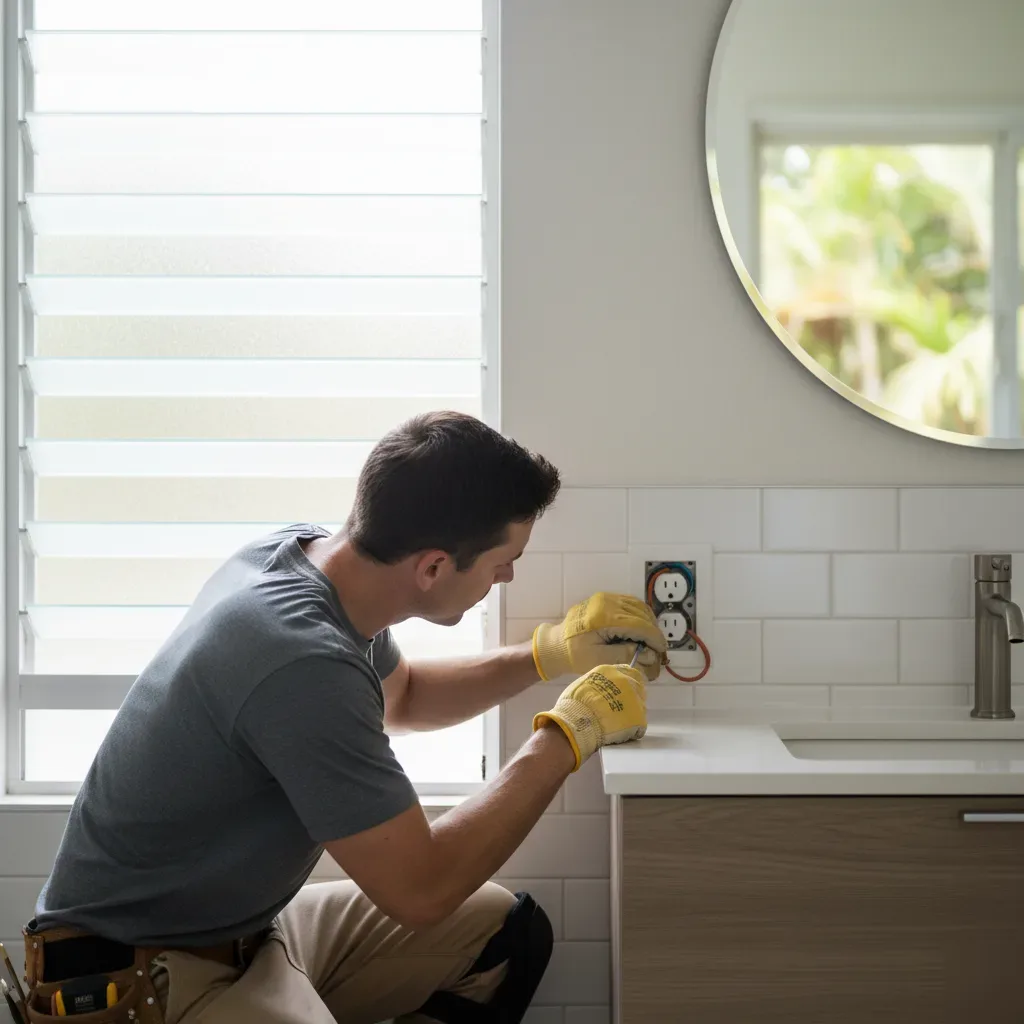
First, we kill the power. Every single time. We verify it’s dead at the breaker panel and then test again at the outlet with a voltage meter. No shortcuts. Older homes in Kailua and across Oahu sometimes have mislabeled panels, so we never trust the sticker on the breaker door. We trust our tools.
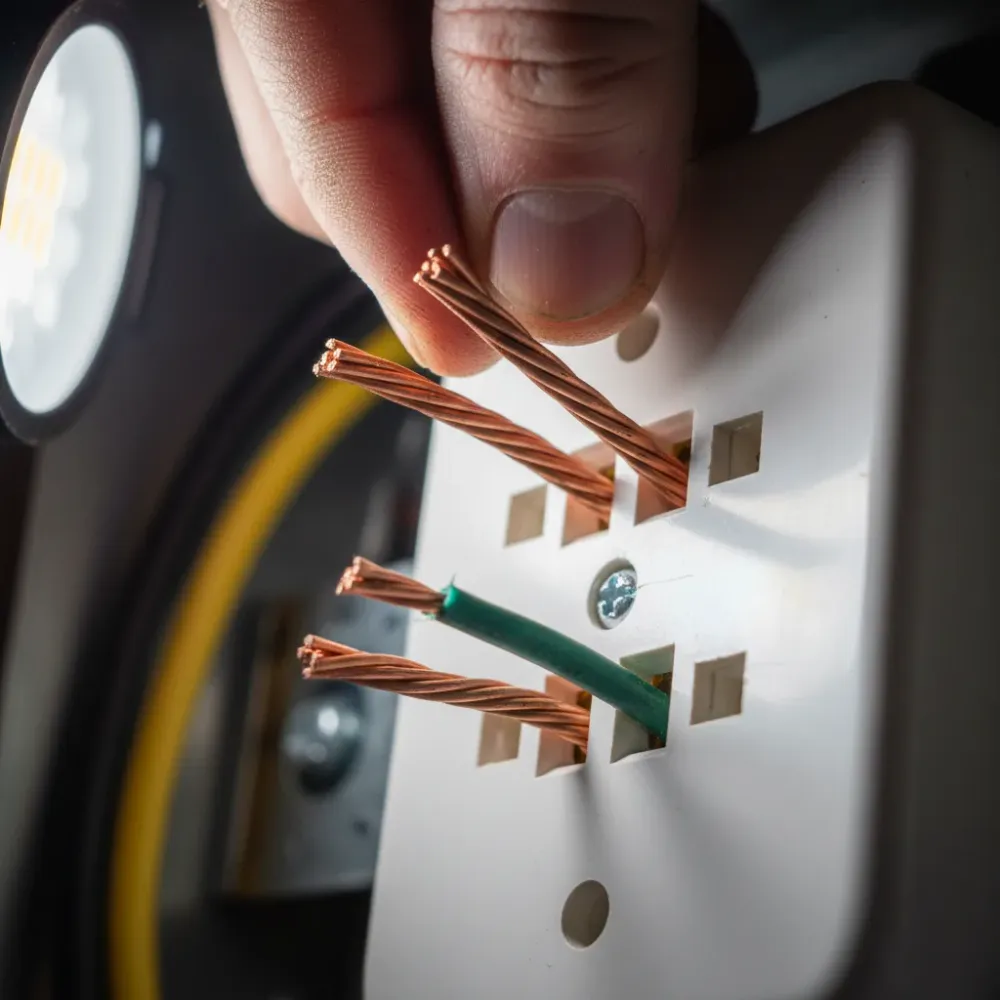
Next, we pull the existing outlet from the box and inspect the wiring. This is where things get interesting. We see knob-and-tube wiring in some older properties. We find aluminum wiring in homes built during the 1960s and 70s. We run into junction boxes stuffed with too many wires crammed together. More often than not, there’s at least one small issue we need to address before the new GFCI goes in. Could be a loose ground wire. Could be corroded connections. We fix it right then and there.
Once the wiring checks out, we connect the new GFCI receptacle. There’s a load side and a line side on every GFCI device. Mix them up and the outlet won’t protect you. We wire it correctly so the GFCI protects not just itself but any downstream outlets on that same circuit. That means one properly installed GFCI can guard multiple outlets in a bathroom or kitchen.
After everything’s connected and secured in the box, we restore power and test. We press the TEST button, confirm the outlet trips, then press RESET. We also use an independent circuit tester to verify the ground fault protection actually works. According to the Electrical Safety Foundation International, GFCI outlets should be tested monthly by homeowners, and we’ll show you exactly how before we leave.
The whole process usually takes about 30 to 45 minutes per outlet. Longer if we find wiring problems that need correction. But you’ll know exactly what’s happening at every step because we explain it as we go. No mysteries. No surprises left inside your walls.
Need help with gfci outlet installation?
Schedule Electrical Service. True Power Electrical Services is ready to help.
How Electricians Verify a GFCI Outlet Is Working Correctly
Installing the outlet is only half the job. The other half is making sure it actually does what it’s supposed to do. We see homes across Oahu where GFCI outlets were put in years ago but never tested properly. That’s a problem, because a GFCI that doesn’t trip is just a regular outlet pretending to be safe.
Our team runs through a specific sequence every single time. First, we press the test button on the outlet itself. You’ll hear a click, and the power should cut off immediately. If it doesn’t, something’s wrong with the internal mechanism. Simple as that. Then we press reset and confirm the power comes back. This basic check takes seconds, but you’d be surprised how many outlets fail it right out of the box.
But the built-in button only tells part of the story. We also use a dedicated GFCI circuit tester. This plug-in device simulates an actual ground fault, a tiny controlled leak of current, to see if the outlet responds the way it should. It tests the trip time too. According to the National Electrical Code, a GFCI outlet needs to trip within a fraction of a second. If there’s any delay, we replace it on the spot.
With a fresh install, things usually check out clean. The real surprises come in older Kailua and Kaneohe homes where someone wired a GFCI outlet years back and it’s been silently failing ever since. Salt air and humidity on Oahu take a toll on these devices faster than most people realize.
We also verify that downstream outlets are protected. If your GFCI outlet is wired to guard other outlets further along the circuit, every single one of those needs to lose power when the GFCI trips. We test each one individually. No guessing.
Not sure if your existing GFCI outlets still work? That’s actually pretty common. Give us a call and we’ll check them for you. As licensed electricians, we document every test so you’ve got a record for inspections or future reference. Your safety isn’t something we leave to chance.
Keeping GFCI Outlets Working in Oahu’s Coastal Environment
Salt air is tough on everything. Your car, your lanai furniture, your roof. And yes, your GFCI outlets.
We see this constantly in homes along the North Shore and throughout Kailua. A GFCI outlet that worked fine six months ago suddenly won’t reset. You press the button, nothing happens. Or it trips every single day for no obvious reason. Salt corrosion is usually the culprit. The internal components of a GFCI outlet are sensitive by design. That’s what makes them effective at detecting ground faults. But Oahu’s humid, salt-laden air accelerates wear on those same components faster than you’d expect.
So what can you do about it? A few things actually make a real difference.
First, test your GFCI outlets monthly. Press the test button, confirm it trips, then press reset. This isn’t just good practice. According to the Electrical Safety Foundation International, regular testing is the single most effective way to confirm your GFCI protection is still active. Takes about five seconds per outlet. If it doesn’t trip when you test it, that outlet needs replacement right away.
Second, pay attention to outdoor and garage outlets. These take the worst beating from Oahu’s climate. We recommend weather-resistant GFCI outlets for any location exposed to moisture or outside air. They’re built with tighter seals around the face, which helps keep salt and humidity from reaching the internals. Homes in Ewa Beach and along the Windward side especially benefit from this upgrade.
Third, don’t ignore a GFCI that trips frequently. Some homeowners just stop resetting it and plug into a different outlet. That’s dangerous. Frequent tripping usually means the outlet is detecting a real problem, whether it’s moisture intrusion, a failing appliance, or corroded wiring behind the wall.
Our team replaces degraded GFCI outlets across Oahu every week. It’s one of the most common calls we get. A quick inspection can tell us whether you need a simple swap or if there’s a bigger wiring issue worth addressing before it becomes a safety hazard.
Frequently Asked Questions
Common questions about gfci outlet installation services in Oahu
Do Oahu homes really need GFCI outlets more than homes on the mainland?
Yes, Oahu homes face higher moisture and corrosion risk than most mainland homes. Salt air, trade wind rain, and year-round humidity all speed up wear on your outlets and wiring. That combination raises the chance of a ground fault happening in your home. GFCI outlets shut off power in a fraction of a second when they detect a problem. On Oahu, that protection matters more than most people realize until something goes wrong.
Which outlets in my Oahu home are required to have GFCI protection?
GFCI protection is required in kitchens, bathrooms, garages, laundry rooms, and all outdoor receptacles. Any outlet within six feet of a sink also needs it. This includes wet bars, utility sinks, and workshop stations. Lanais and pool equipment areas count too. If your home was built before the mid-1970s, there is a strong chance several of these spots have no GFCI protection at all. That gap is a safety issue, not just a code issue.
What should I expect when a licensed electrician arrives to install GFCI outlets?
Your electrician will shut off power at the breaker and verify it is dead before touching anything. They will pull the existing outlet, inspect the wiring, and fix any loose or corroded connections before the new GFCI goes in. Older homes sometimes have mislabeled panels or outdated wiring, so a quick inspection is part of every job. The whole process for a single outlet usually takes under an hour. You will be able to test the outlet before the electrician leaves.
How do I know if my GFCI outlet is working correctly?
Press the test button on the outlet face. The reset button should pop out and power to that outlet should cut off. Then press reset and power should return. If the test button does not trip, or if the reset button does not restore power, the outlet needs to be replaced. GFCI devices can wear out over time, especially in humid areas like Oahu where moisture speeds up internal corrosion. Testing every outlet twice a year is a simple habit that keeps your home safer.
Can one GFCI outlet protect multiple outlets in my home?
Yes, one correctly wired GFCI outlet can protect every outlet downstream on the same circuit. This is called a load-side connection. When installed properly, you do not need a separate GFCI device at every single outlet. This approach works well in older Oahu homes where adding multiple new outlets is not practical. The key word is correctly wired. If the line and load terminals are swapped, the downstream outlets will not be protected at all.
How soon can I get GFCI outlets installed in my Oahu home?
Most GFCI outlet installations can be scheduled within a few days. If you have a safety concern like a tripping outlet or a recent shock, call right away and ask about same-week availability. We serve homes across Oahu, including areas like Kailua, Ewa Beach, and Honolulu. A single bathroom or kitchen installation usually takes less than an hour. If you have several rooms that need upgrades, we can handle them all in one visit so you are not waiting around multiple times.
Ready to Get Started?
Schedule Electrical Service Call (808) 427-7200 today.
