
EV Charger Installation in Oahu
Planning charging equipment at a Honolulu property? Visit our Honolulu electrical service contact page to discuss your installation with the Honolulu team.
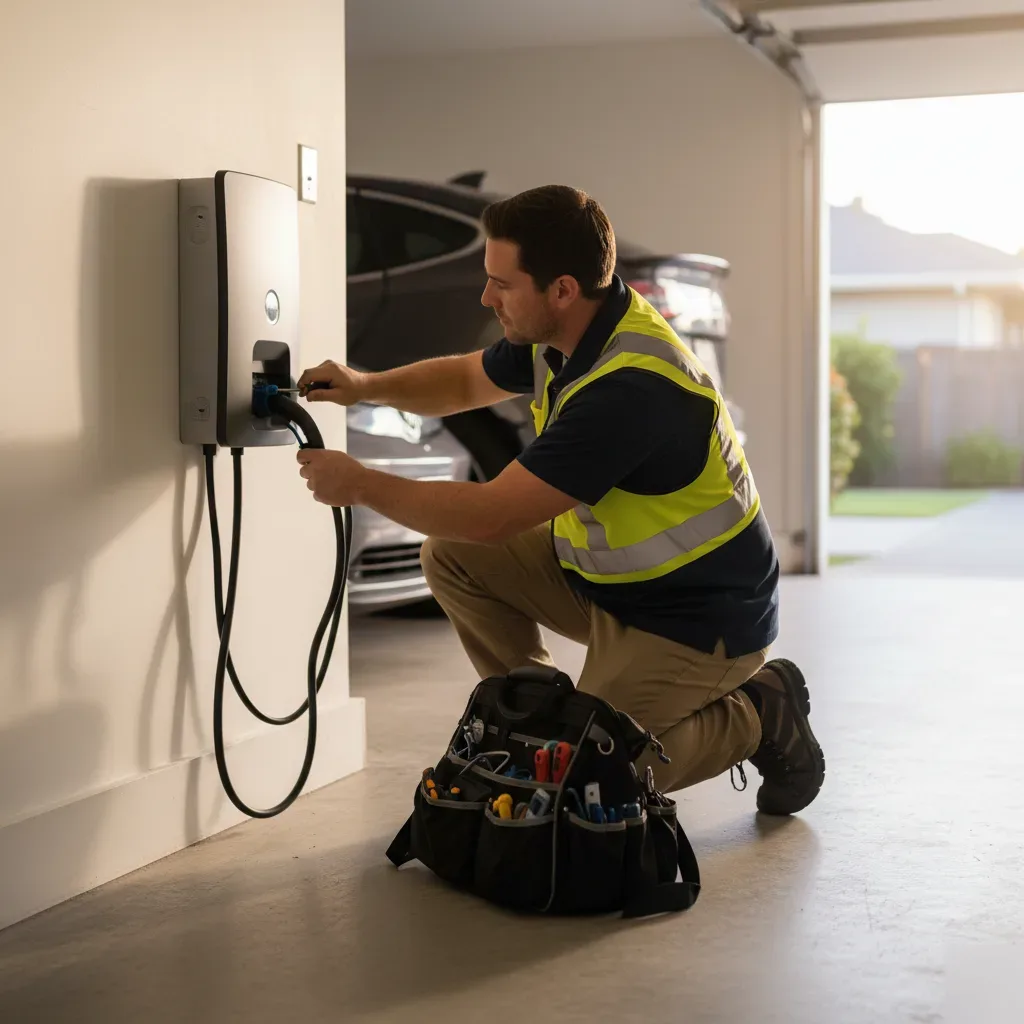
Quick Summary:
EV Charger Installation in Oahu: Get Charged Up at Home or Work
What’s Covered on This Page
- What Oahu Homeowners Need to Know Before Installing an EV Charger
- Choosing the Right Level 2 Charger for Your Oahu Property
- How to Prepare Your Oahu Home for EV Charger Installation
- What to Expect When True Power Electrical Services Installs Your Charger in Oahu
- How Oahu Electricians Verify a Safe and Code-Compliant Charger Install
- Do I need a permit to install an EV charger in Oahu?
- Will my current electrical panel support a Level 2 charger?
- Should I get a plug-in or hardwired EV charger for my Oahu home?
- What if I have a carport instead of a garage?
- How long does EV charger installation take?
- Can I schedule EV charging during off-peak hours to save on my electric bill?
Need ev charger installation?
Schedule Electrical Service. Call True Power Electrical Services now.
What Oahu Homeowners Need to Know Before Installing an EV Charger
Most folks call us after they’ve already bought the car. It’s sitting in the garage, and they’re staring at a standard 120-volt outlet wondering why the charge estimate says 40 hours. That’s normal. But a few things need to happen before we can get a Level 2 charger on your wall.
First, your electrical panel has to handle the extra load. A dedicated 240-volt circuit for an EV charger typically pulls 40 to 50 amps. Plenty of older homes across Oahu still run on 100-amp panels. That’s not enough. If your panel is maxed out, you’ll need an upgrade before any charger goes in. We check this during every site evaluation because skipping it creates real safety problems down the road.
Then there’s the location question. Where do you park? Where’s the panel? How far apart are they? In neighborhoods like Kailua, we see a lot of detached garages sitting 30 or 40 feet from the main panel. That longer wire run matters. It affects material needs, circuit sizing, and how we route everything to stay code-compliant with Hawaii’s electrical standards.
Permits are another piece people don’t expect. Oahu requires electrical permits for this kind of work. We handle the paperwork, but you should know it’s part of the process. No licensed electrician should skip it.
Here’s something we run into every single week. Homeowners assume any outdoor outlet can support a charger. It can’t. EV chargers need a dedicated circuit. Nothing else on it. No shared loads, no extension cords, no shortcuts. According to the National Fire Protection Association, home electrical fires cause over 50,000 incidents annually in the U.S. Proper installation isn’t optional.
So before you pick a charger or watch installation videos online, get your electrical system evaluated. Your home’s wiring, panel capacity, and garage layout all shape what the job looks like. Every house on Oahu is a little different, and that’s exactly why a site visit comes first.
Choosing the Right Level 2 Charger for Your Oahu Property
Not all chargers work the same in every home. That’s the first thing we tell folks when they call us about a new setup. our full range of electrical services
A Level 2 charger runs on a 240-volt circuit. Same type of power your dryer or oven uses. It’ll charge most electric vehicles overnight, giving you a full battery by morning. But picking the right unit for your property depends on a few things most people don’t think about until we walk through it together.
Amperage matters. A lot. Most residential Level 2 chargers pull between 30 and 50 amps. If you drive a shorter daily commute around Kailua or into downtown Honolulu, a 30-amp unit charges fast enough. But if you’re putting serious miles on your EV every day, a 40- or 50-amp charger makes more sense. We see this question come up every single week, and the answer is almost always tied to how you actually use your car.
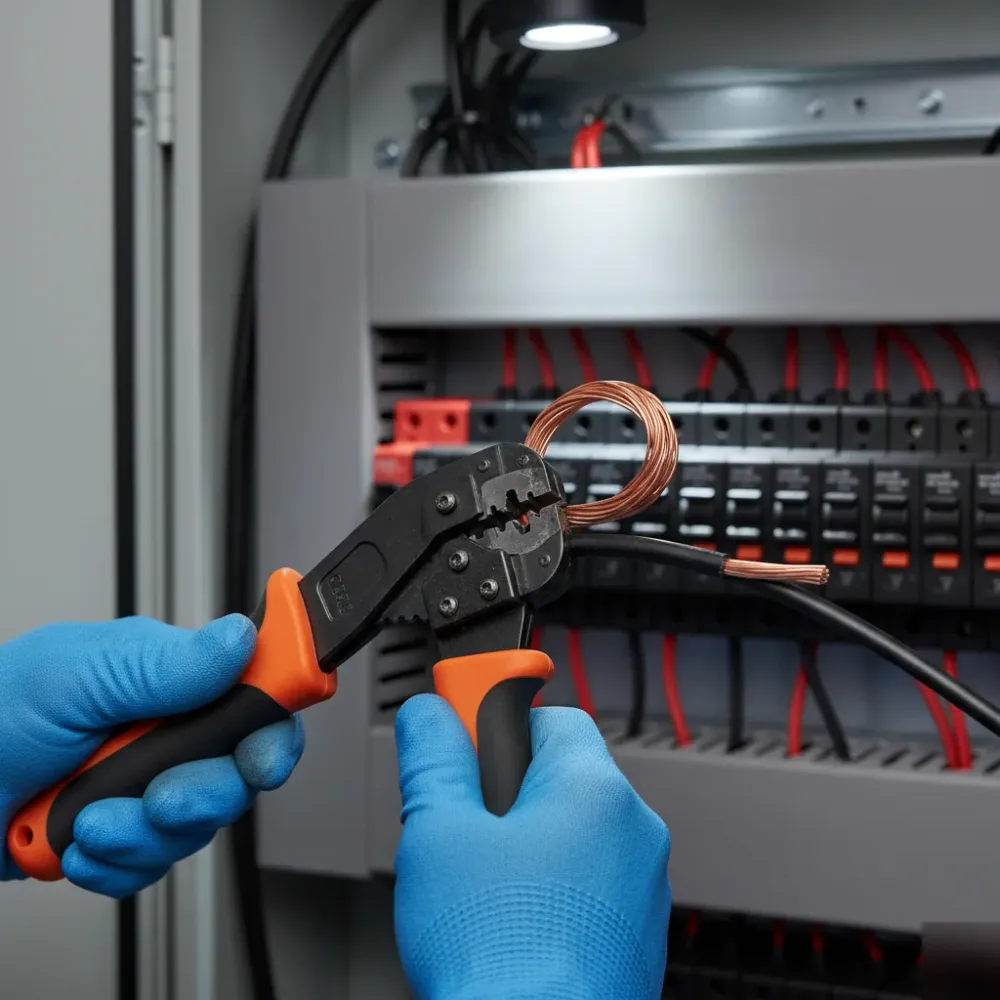
Then there’s the plug-in versus hardwired decision. Plug-in chargers connect to a NEMA 14-50 outlet, and you can take them with you if you move. Hardwired units mount permanently to your wall and often deliver more consistent power. For most Oahu homeowners, we recommend hardwired. The salt air and humidity here can corrode exposed plug connections over time. A hardwired setup keeps everything sealed and secure.
Think about where you park, too. Garage installations are straightforward. But plenty of homes on Oahu have carports or open parking pads instead. That means the charger needs a NEMA-rated outdoor enclosure. We handle that all the time for properties in Ewa Beach and across the Leeward side where covered garages aren’t as common.
Smart features are worth considering. Wi-Fi-enabled chargers let you schedule charging during off-peak hours, which can lower your electric bill. Some units track your energy usage so you know exactly what each charge costs. If you’re just getting started and want a reliable overview of home charging options and equipment considerations, the EPA’s guide on getting started with home EV charging is a solid resource. According to the U.S. Department of Energy, charging during off-peak periods can reduce costs by up to 50 percent compared to peak rates.
Want help figuring out which setup fits your home? Give us a call and we’ll walk through it. You can also explore our full range of electrical services to see how we support Oahu homeowners beyond charger installations.
How to Prepare Your Oahu Home for EV Charger Installation
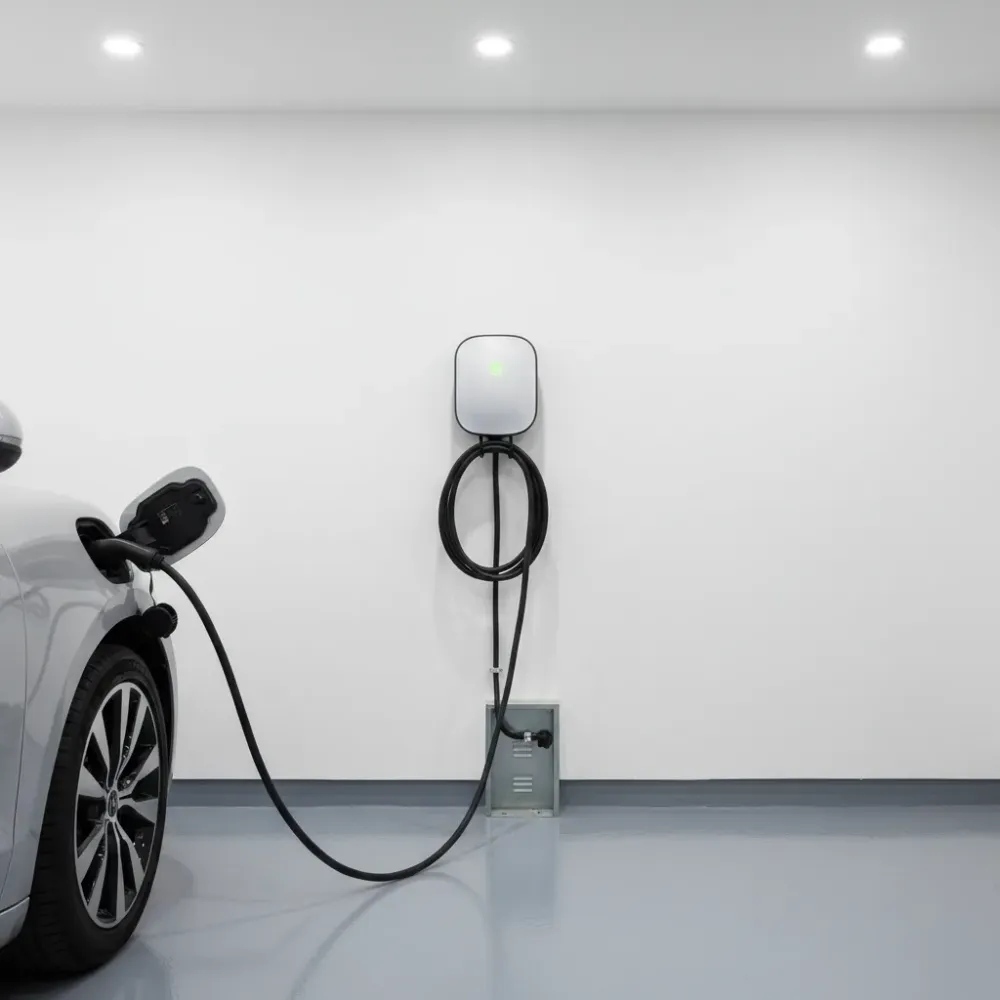
You don’t need to do much before we show up. But a few simple steps make the whole process faster and smoother for everyone.
First, take a look at your electrical panel. Open it up and check if there’s any open space for new breakers. Most Level 2 chargers need a dedicated 240-volt circuit, which means a 40 or 50-amp breaker slot. If your panel is already packed tight, that’s good to know ahead of time. We see this constantly in older Kailua and Kaneohe homes built in the 1970s and 80s. Those panels were sized for a different era. No air conditioning loads, no modern kitchens, definitely no electric vehicles. A panel upgrade might be part of the conversation, and knowing early saves you a surprise on install day.
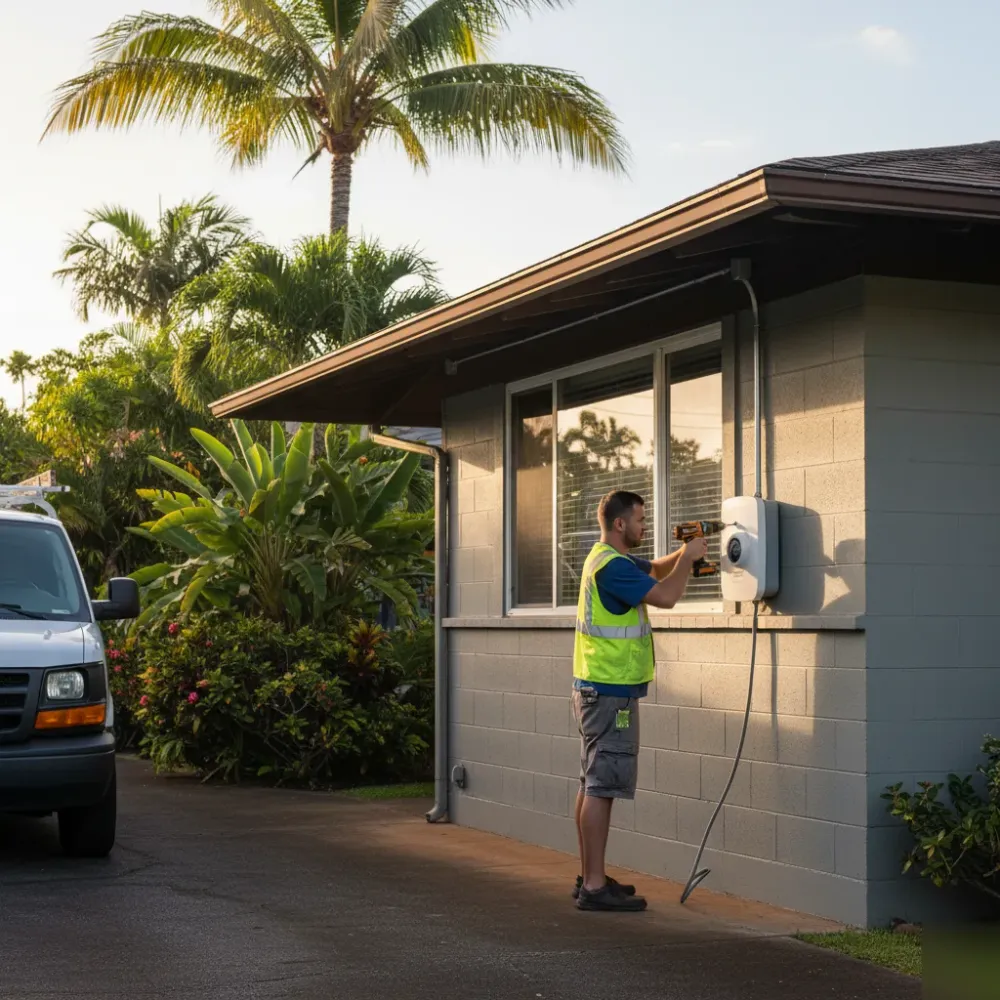
Next, think about where you park. Sounds obvious, right? But your charger location matters more than people realize. We need to mount the unit close enough to your parking spot that the charging cable reaches comfortably. Garage installs are straightforward. Carport installs work great too. If you park in a driveway with no covered structure, we’ll talk through weatherproofing and cable routing so everything stays safe and clean.
Clear the area around your panel and your planned charger location. Move storage bins, surfboards, yard tools. Whatever’s in the way. Our crew needs about three feet of clearance on each side of the panel. That’s not just our preference. It’s an electrical code requirement.
One thing that really helps is having your vehicle info ready. Know the make, model, and year of your EV. Different cars have different charging needs, and this lets us size everything correctly the first time. If you’re still shopping for a vehicle, that’s fine too. We’ll set up the circuit to handle the most common configurations on Oahu so you’re covered no matter what you drive home.
And if you rent or live in a condo, check with your landlord or HOA before scheduling. Some buildings in Honolulu have specific rules about electrical modifications. We can help you navigate that process, but getting the conversation started early keeps your project on track. Need help figuring any of this out? Give us a call.
Need help with ev charger installation?
Schedule Electrical Service. True Power Electrical Services is ready to help.
What to Expect When True Power Electrical Services Installs Your Charger in Oahu
No surprises. That’s the goal every single time our team shows up.
We start with a walkthrough of your property before any tools come out. Our electrician checks your existing panel, looks at where you park your vehicle, and measures the distance between the two. That distance matters more than most people realize. A charger mounted ten feet from your panel is a completely different job than one mounted forty feet away on the opposite side of a Kailua garage. We figure all of this out before we drill a single hole.
Next comes the electrical assessment. We need to know if your panel can handle the added load. Many homes on Oahu were built with 100-amp panels, and a Level 2 charger pulls 40 amps or more. If your panel’s already close to capacity, we’ll talk about an upgrade right there on the spot. No guessing, no calling you back three days later. According to the U.S. Department of Energy, Level 2 chargers require a dedicated 240-volt circuit, so this step isn’t optional.
Once we’ve got a plan, installation day is straightforward. We run the dedicated circuit from your panel to the charger location, mount the charging unit, and make sure every connection meets Hawaii’s electrical code. Most residential installs take half a day. Some take a full day if the run is long or the panel needs work. We see this every single week, so there’s rarely anything that catches us off guard.
Before we leave, we test everything. We verify the charger powers on, confirm it’s delivering the correct voltage, and walk you through how to use it. Simple stuff, but you’d be surprised how many customers tell us their last electrician skipped this part entirely.
And we clean up. Wiring is tucked away, conduit is secured, and your garage or carport looks the way it did before we got there. Just with a working charger on the wall.
Got questions about your specific setup? Give us a call. We’re happy to walk through it.
How Oahu Electricians Verify a Safe and Code-Compliant Charger Install
Flipping the breaker on isn’t the last step. Not even close.
Once we finish wiring your charger, we run through a full verification process before we hand you the keys, so to speak. First thing we check is the amperage draw under load. We connect the charger, plug in your vehicle, and watch the circuit with a clamp meter while it’s actually charging. The numbers on the wire need to match the numbers on the breaker and the numbers on the charger’s spec sheet. If anything’s off by even a few amps, we track down the issue right there. We see this more often than you’d think with older homes in Kailua where the existing wiring has been through decades of salt air exposure.
Then there’s the connection integrity check. Every termination point gets inspected for tightness. A loose lug at the panel or a wire nut that’s barely holding on can arc and overheat. That’s how electrical fires start. We torque each connection to manufacturer specs and visually confirm there’s no damage to wire insulation anywhere along the run.
Ground fault protection is non-negotiable on Oahu. Hawaii’s adoption of the National Electrical Code requires GFCI protection on EV charging circuits. We verify the GFCI device trips correctly and resets properly. If it doesn’t trip within the required threshold, something’s wrong and we fix it before we leave your property.
Nine times out of ten, homeowners don’t realize a permit inspection is part of this process too. We pull the permit before we start work, and after we finish, a county inspector comes out to verify everything meets code. Our job is making sure that inspection goes smoothly. We’ve done hundreds of these across Oahu, so exactly what inspectors look for. Proper wire sizing, correct breaker ratings, secure mounting, and clean conduit runs.
We also test the charger’s built-in safety features. Most Level 2 units have internal diagnostics that report faults through indicator lights or an app. We walk you through what each status light means so you’re never guessing. And we make sure the charging cable management is solid. A cable dragging on your garage floor or hanging loose outside is a trip hazard and a wear issue. Small detail, but it matters long term.
You’ll get documentation of everything. The permit number, the circuit specs, and confirmation that your install passed inspection. That paperwork protects you if you ever sell your home or need service down the road.
Frequently Asked Questions
Common questions about ev charger installation services in Oahu
Do I need a permit to install an EV charger in Oahu?
Yes, Oahu requires an electrical permit for EV charger installation. No licensed electrician should skip this step. We handle all the paperwork for you, but it is part of every job we do. Skipping permits creates safety risks and can cause problems when you sell your home. The permit process protects you and makes sure the work meets Hawaii’s electrical code standards.
Will my current electrical panel support a Level 2 charger?
Not always — and that is the first thing we check during a site visit. A Level 2 charger needs a dedicated 240-volt circuit that pulls 40 to 50 amps. Many older Oahu homes still run on 100-amp panels, which may already be maxed out. If your panel does not have room, a panel upgrade comes first. We see this regularly in homes built in the 1970s and 80s across Kailua and Kaneohe.
Should I get a plug-in or hardwired EV charger for my Oahu home?
For most Oahu homeowners, we recommend hardwired. Oahu’s salt air and humidity can corrode exposed plug connections over time. A hardwired unit mounts directly to your wall and keeps everything sealed and protected from the elements. Plug-in chargers connect to a NEMA 14-50 outlet and are portable if you move. Both work, but hardwired holds up better in Oahu’s coastal climate long-term.
What if I have a carport instead of a garage?
A carport install works just fine. We do them all the time, especially in Ewa Beach and across the Leeward side where covered garages are less common. Your charger will need a NEMA-rated outdoor enclosure to handle weather exposure. We handle the weatherproofing and cable routing so everything stays safe and clean. Just make sure the area around your parking spot is clear when we arrive.
How long does EV charger installation take?
Most installations take three to four hours from start to finish. If your panel needs an upgrade, that adds time to the job. We do a site evaluation first so there are no surprises on install day. Clearing space around your panel and parking area before we arrive helps things move faster. By the end of the day, you should be ready to plug in and charge overnight.
Can I schedule EV charging during off-peak hours to save on my electric bill?
Yes, and it can make a real difference. The U.S. Department of Energy says charging during off-peak hours can cut costs by up to 50 percent compared to peak rates. Wi-Fi-enabled chargers let you set a schedule right from your phone. Some units also track your energy usage so you know exactly what each charge costs. If saving on your electric bill matters to you, a smart charger is worth considering.
Ready to Get Started?
Schedule Electrical Service Call (808) 427-7200 today.
