
Electrical Safety Inspection in Oahu
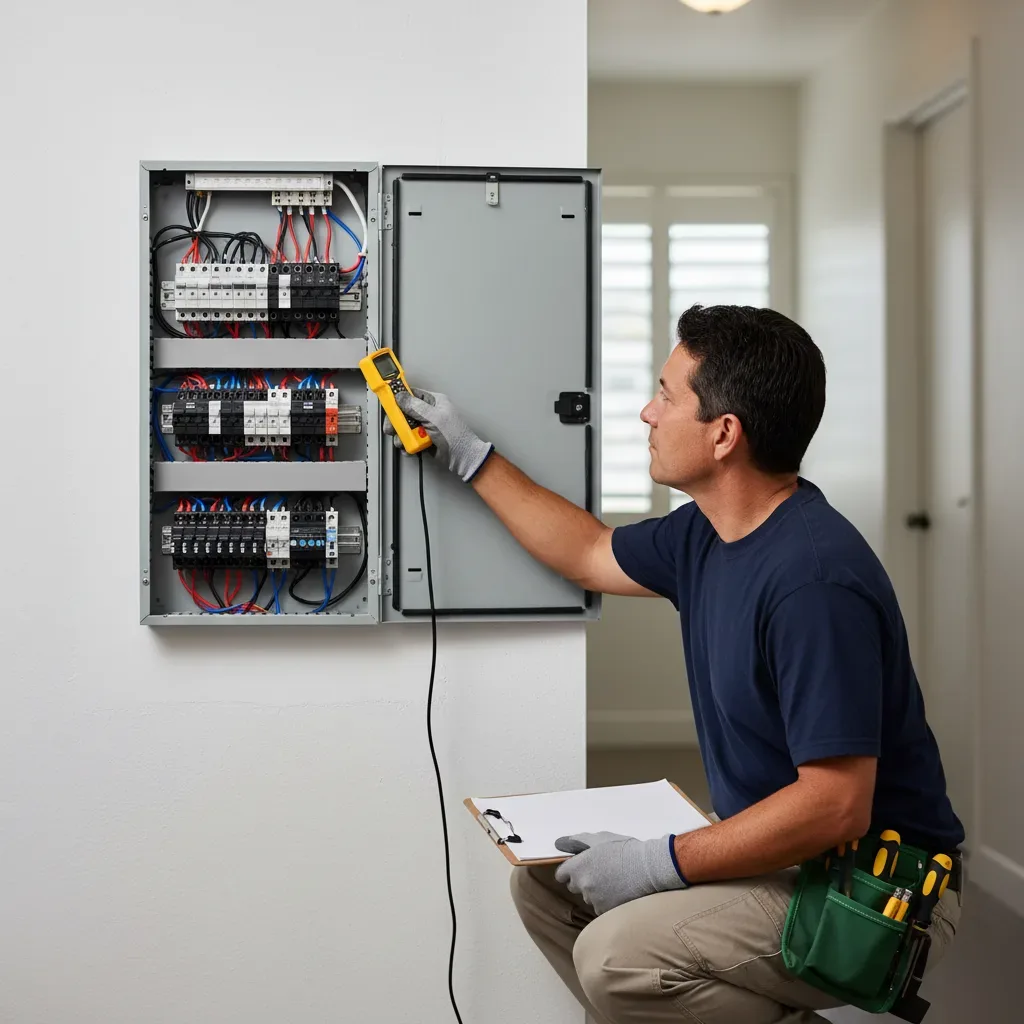
Quick Summary:
Electrical Safety Inspection in Oahu: Know Your Home Is Safe
What’s Covered on This Page
- Signs Your Oahu Home Needs an Electrical Safety Inspection Now
- What Happens During an Electrical Safety Inspection in Oahu
- How to Prepare Your Home Before the Inspection Team Arrives
- What Inspectors Look for in Oahu’s Older and Coastal Homes
- After the Inspection: Next Steps to Keep Your Oahu Property Safe
- How does Oahu’s salt air affect my home’s electrical system?
- How often should an Oahu home get an electrical safety inspection?
- What should I expect when the electrician arrives for the inspection?
- What are the most common problems found during an electrical inspection?
- Do I need to do anything to prepare my home before the inspection?
- Is an electrical safety inspection required when buying or selling a home in Oahu?
Need electrical safety inspection?
Schedule Electrical Service. Call True Power Electrical Services now.
Signs Your Oahu Home Needs an Electrical Safety Inspection Now
Your house talks to you. Most people just don’t know how to listen.
Flickering lights are the one we hear about most. You flip on the bathroom fan and the bedroom lights dim for a second. Maybe it’s quick. Maybe you barely notice. But that flicker means something. It usually points to an overloaded circuit or a loose connection somewhere behind the wall. We see this every single week in older Kailua homes that still run original wiring from the 1970s.
Warm outlets are another big one. Put your hand on a switch plate or outlet cover. Feel heat? That’s not normal. A warm cover plate can mean the wiring behind it is working harder than it should. Left alone, that’s how fires start. And breakers that trip over and over aren’t just annoying. They’re doing their job, telling you the circuit can’t handle the load. The real danger comes when someone keeps resetting the breaker without figuring out why it tripped.
Here’s something folks on Oahu deal with that mainland homeowners don’t think about. Our salt air corrodes wiring connections faster. Homes near the coast, especially around Ewa Beach and the North Shore, develop corrosion at junction boxes and panel connections that you can’t see without opening things up. That corrosion increases resistance, which creates heat, which creates risk.
So what else should grab your attention? A burning smell near any outlet or switch. Buzzing sounds from your panel. Discolored or scorched outlet covers. Any of these mean something is already going wrong.
Most of the time, the homeowner tells us they noticed something small weeks ago but figured it would go away. It doesn’t go away. Electrical problems only get worse.
If your home is more than 25 years old and you’ve never had the wiring checked, that alone is reason enough. Add in a kitchen remodel, a new EV charger, or a hot tub, and the demand on your system may have outgrown what your panel can safely deliver. According to the National Fire Protection Association, electrical failures are a leading cause of home fires in the United States. Don’t wait for a problem to become an emergency. The signs are there if you know what to look for.
What Happens During an Electrical Safety Inspection in Oahu
We show up, and the first thing we do is talk to you. Sounds simple, but it matters. You know your home better than anyone. Maybe you’ve noticed a breaker tripping every time you run the microwave and the dryer together. Maybe there’s a light switch that feels warm. We want to hear all of it before we touch a single panel cover. our full range of electrical services our full range of electrical services
Once we’ve got the full picture, our licensed electricians work through your system methodically. We start at the main electrical panel. We’re checking for proper labeling, signs of overheating, corrosion on bus bars, and whether your breakers actually trip the way they should. Older homes in Kailua and across Oahu sometimes still have panels with known safety issues that need immediate attention.
From there, we move through every accessible circuit in the house. Outlets get tested for correct polarity, proper grounding, and GFCI protection in kitchens, bathrooms, garages, and outdoor areas. We see missing GFCI protection on almost every inspection. More often than not, it’s in the garage or on an exterior outlet that’s been exposed to salt air for years.
We also look at your wiring where it’s visible. Attics, crawl spaces, exposed runs in the garage. We’re checking for damaged insulation, improper splices, and any DIY work that doesn’t meet current code. Reviewing a thorough electrical safety work practices checklist gives a clear picture of the standards licensed inspectors follow on every job. According to the Electrical Safety Foundation International, electrical failures cause more than 50,000 home fires each year in the U.S. That stat keeps us thorough.
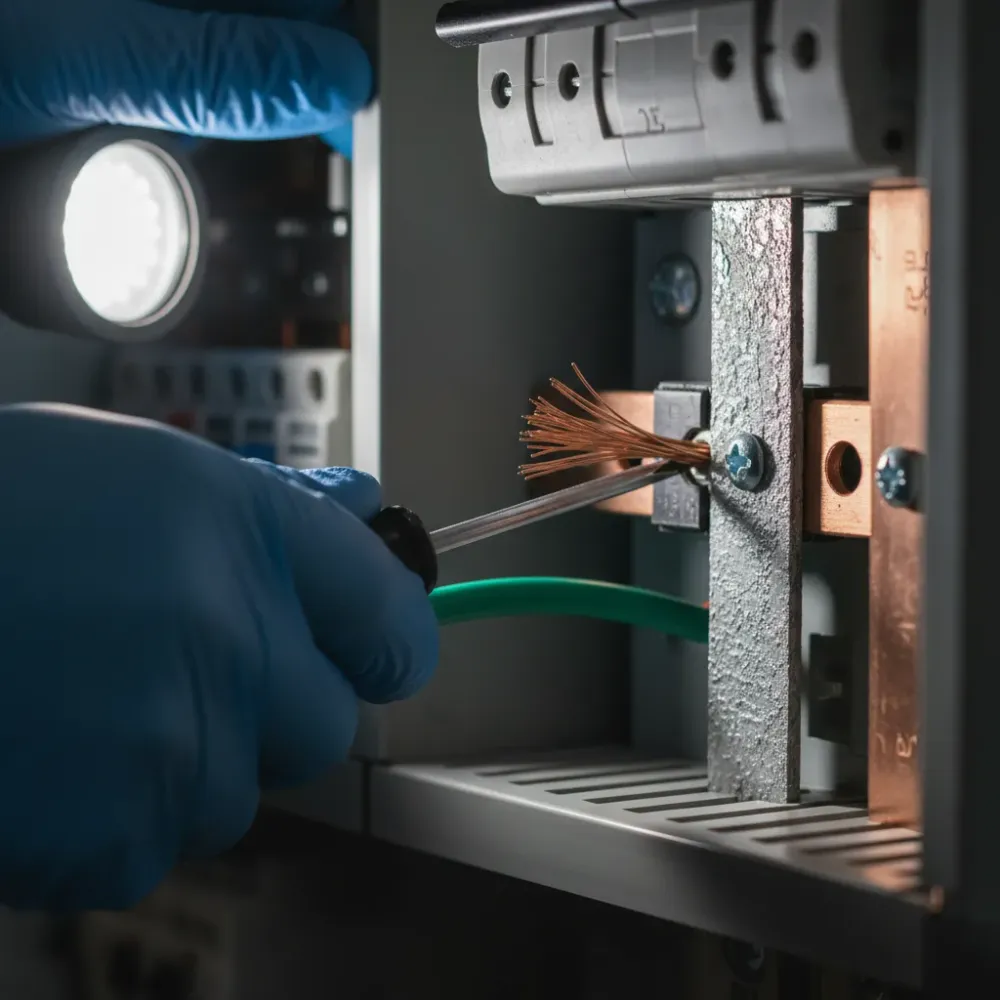
Smoke detectors, light fixtures, the connections behind your appliances. All part of it. If you’ve recently added an EV charger or a new lighting upgrade, we verify those installations too.
So what do you get at the end? A clear, written report. Not a vague “looks okay.” We document every finding, note what’s safe, and flag anything that needs repair or an upgrade. You can explore our full range of electrical services to see how we handle whatever comes up. The goal is simple. You walk away knowing exactly where your electrical system stands. No guessing.
How to Prepare Your Home Before the Inspection Team Arrives
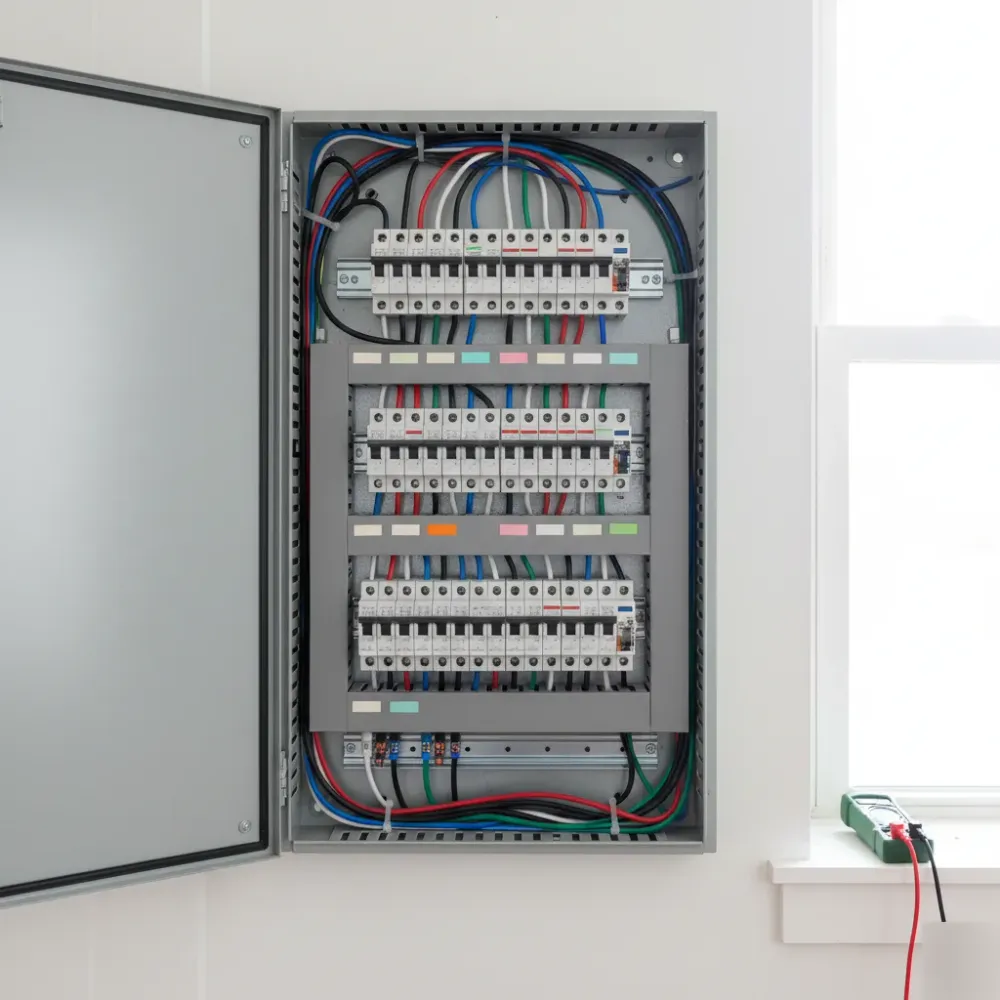
A little prep goes a long way. You don’t need to do anything technical. Just help us get to the spots we need to see, and the whole process moves faster for everyone.
Start with your electrical panel. That’s the metal box, usually in a garage, utility closet, or on an exterior wall. We need full access to it. Move any storage bins, surfboards, or shelving that might be blocking the front of the panel. You’d be surprised how often we show up to a home in Kailua and the panel is buried behind holiday decorations and old coolers. Clear about three feet of space in front of it so our team can open the door and work safely.
Next, walk through your rooms and make sure outlets and switches are accessible. Pull furniture away from walls where you can. We’re going to test outlets throughout the house, and if a couch is pinned against one, we’ll need to move it anyway. Saving that step ahead of time keeps the inspection on schedule.
If you have an attic access point or a crawl space, let us know where it is. We sometimes need to trace wiring routes or check junction boxes in those areas. A quick heads-up about tight spaces or pull-down ladders helps our crew come prepared with the right gear.
Got outdoor electrical? Think patio outlets, landscape lighting connections, pool pump panels. Make sure gates are unlocked and paths are clear. Homes across Oahu often have exterior sub-panels near lanais or carports that need checking too.
One more thing. Write down anything that’s been bugging you. Flickering lights in the kitchen. A breaker that trips when you run the microwave and the toaster at the same time. An outlet that feels warm. We see these kinds of concerns every single week, and knowing about them beforehand lets us focus our attention where it matters most. Even small details help us catch problems that might not show up during a standard visual check.
You don’t need to turn anything off or disconnect appliances. Just give us clear paths and honest notes about what you’ve noticed. That’s the best thing any homeowner on Oahu can do before an electrical safety inspection.
Need help with electrical safety inspection?
Schedule Electrical Service. True Power Electrical Services is ready to help.
What Inspectors Look for in Oahu’s Older and Coastal Homes
Salt air is hard on everything. Wiring included. We’ve opened up panels in Kailua homes where the bus bars were so corroded they crumbled between our fingers. That’s not something you can see from the outside, and it’s exactly why a thorough inspection matters here more than almost anywhere else in the country.
Oahu’s housing stock has some unique challenges. Plenty of homes in neighborhoods like Kaimuki and Manoa were built in the 1950s and 1960s. Back then, aluminum wiring was common. So were undersized panels, ungrounded outlets, and cloth-wrapped conductors that break down over decades. A qualified inspector knows to check for all of it.
Here’s what we’re looking at during a typical walkthrough of an older or coastal property:
- Panel condition. Corrosion on breakers, loose connections, signs of overheating, and whether the panel meets current load demands.
- Wiring type and integrity. Aluminum wiring, knob-and-tube remnants, or deteriorating insulation that creates fire risk.
- Grounding and bonding. Older homes often lack proper grounding, which means your surge protection and safety devices can’t do their jobs.
- GFCI and AFCI protection. Kitchens, bathrooms, garages, and outdoor areas all need ground-fault protection. Many older Oahu homes still don’t have it.
- Moisture intrusion and corrosion. Junction boxes near exterior walls, outdoor fixtures, and subpanels in carports take a beating from humidity and salt exposure.
In most cases, the homeowner had no idea there was a problem. That’s the whole point. These issues hide behind walls and inside panels for years.
According to the Electrical Safety Foundation International, electrical failures cause more than 50,000 home fires each year in the United States. Coastal environments like Oahu accelerate the wear that leads to those failures. Corroded connections create heat. Heat creates fire risk. It’s a simple chain, and catching it early is the entire goal.
We also pay close attention to any unpermitted work. It’s surprisingly common. Someone added a bathroom fan or ran a new circuit for a window AC unit without pulling a permit. That kind of work often skips code requirements and creates hidden hazards. Our team flags it so you can make informed decisions about repairs or upgrades before something goes wrong.
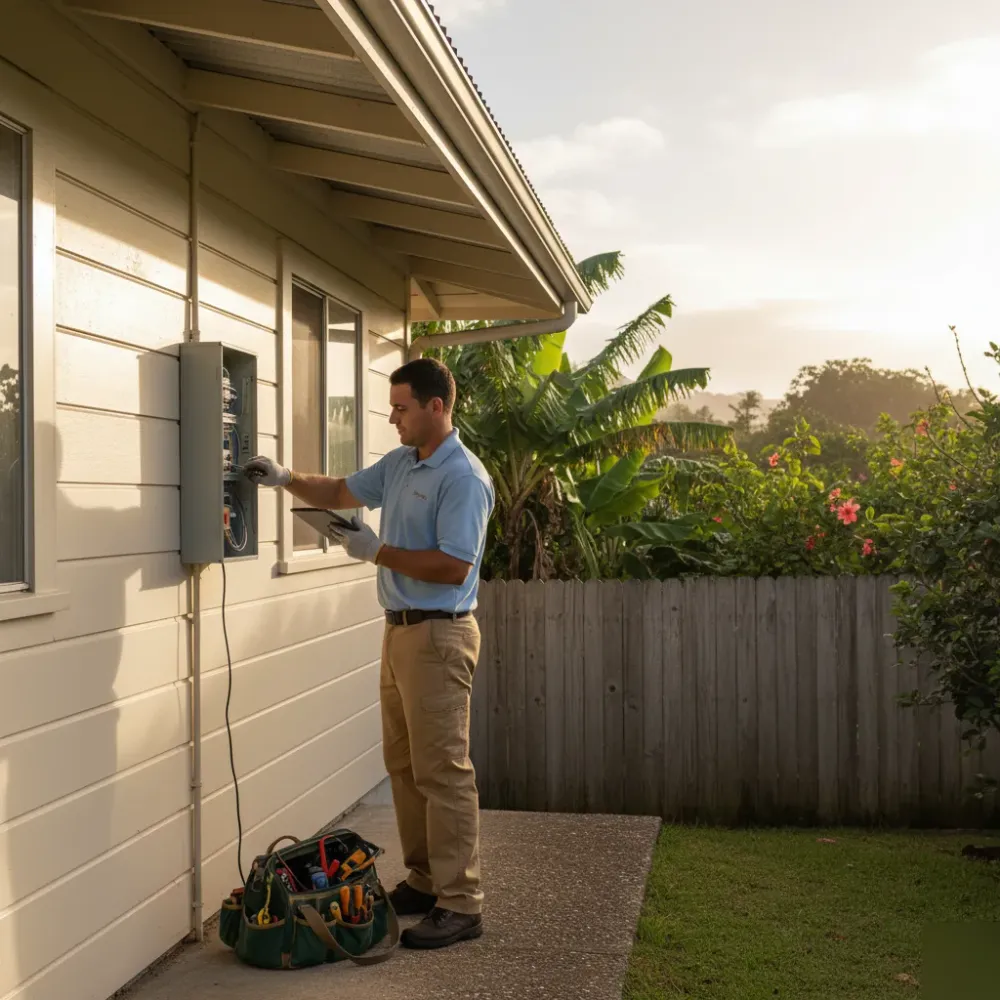
After the Inspection: Next Steps to Keep Your Oahu Property Safe
So the inspection’s done. Now what?
We hand you a detailed report that covers everything we found. Every outlet, every connection, every panel component. Green marks for what’s solid. Clear notes on anything that needs attention. No confusing jargon. We walk through it with you right there on the spot, because a report that sits in a drawer doesn’t protect anyone.
Most homes on Oahu fall into one of three categories after an electrical safety inspection. Some get a clean bill of health. That’s always a good day. Others have minor issues like an ungrounded outlet in a bedroom or a missing cover plate on a junction box. Quick fixes. Then there are the properties with bigger concerns. Maybe the panel in your Kailua home is original from the 1970s and can’t handle your current load. Maybe we found aluminum wiring that needs proper remediation. We see this every single week.
Here’s what matters. Don’t ignore the report.
We prioritize every finding by urgency. Immediate safety hazards come first. Things like exposed wiring, double-tapped breakers, or circuits running hot. These can’t wait. We’ll talk through a plan to address them right away. Items that aren’t dangerous today but will cause problems down the road get flagged as soon-priority. Think outdated GFCI protection in wet areas or an overloaded subpanel. And then there are the upgrades that just make life better and safer long term, like adding dedicated circuits for new appliances or installing whole-house surge protection.
Want to stay ahead of problems after that? Give us a call and we’ll get your repairs scheduled.
We recommend re-inspecting every three to five years for most Oahu homes. Older properties or buildings near the coast should go shorter on that timeline. Salt air and humidity take a toll on electrical components faster than most people realize. According to the Electrical Safety Foundation International, electrical failures cause more than 50,000 home fires each year in the U.S. Routine inspections are one of the simplest ways to keep your family out of that statistic.
Our licensed team at True Power Electrical Services keeps records of every inspection we perform. That means when it’s time for your next check, we already know your system’s history. No starting from scratch. Just consistent, reliable protection for your property and everyone in it.
Frequently Asked Questions
Common questions about electrical safety inspection services in Oahu
How does Oahu’s salt air affect my home’s electrical system?
Salt air speeds up corrosion on wiring connections, junction boxes, and panel components faster than most homeowners expect. Homes near the coast, like those around Ewa Beach and the North Shore, are especially at risk. Corroded connections create extra resistance, which builds heat inside your walls. You can’t see this damage without opening things up. A professional inspection catches it before it becomes a fire hazard.
How often should an Oahu home get an electrical safety inspection?
Most homes in Oahu should be inspected every 3 to 5 years. If your home is over 25 years old and has never been checked, schedule one now. Big changes also trigger the need — a kitchen remodel, a new EV charger, or a hot tub puts new demand on your system. Our salt air environment means connections corrode faster here than on the mainland, so regular checks matter more in Hawaii.
What should I expect when the electrician arrives for the inspection?
Your electrician will start by talking with you about anything you’ve noticed — flickering lights, warm outlets, tripping breakers. Then they work through your panel, test every outlet for proper grounding and GFCI protection, and check visible wiring in attics and garages. At the end, you get a written report that clearly shows what’s safe and what needs attention. No vague answers — just a straight picture of where your system stands.
What are the most common problems found during an electrical inspection?
Missing GFCI protection is the most common issue we find, especially in garages and outdoor outlets. Overloaded circuits, loose connections, and corroded panel components are also very common. Older homes in Kailua and across Oahu sometimes still have panels with known safety problems. DIY wiring that doesn’t meet current code shows up regularly too. Most of these issues are easy to miss without a trained eye and the right testing tools.
Do I need to do anything to prepare my home before the inspection?
Yes, a few simple steps help the inspection go smoothly. Clear about three feet of space in front of your electrical panel. Pull furniture away from outlets so they’re easy to reach. Unlock gates to outdoor electrical areas like pool pumps or patio outlets. If you have attic or crawl space access, let the team know where it is. You don’t need any technical knowledge — just clear the path and we handle the rest.
Is an electrical safety inspection required when buying or selling a home in Oahu?
A standalone electrical inspection is not always required by law, but it is strongly recommended. Standard home inspections often miss wiring issues that a licensed electrician would catch. If you’re buying an older home in Oahu, an electrical inspection protects you from inheriting hidden problems. Sellers who get one ahead of listing can fix issues before they become deal-breakers. It gives both sides a clear, honest picture of the home’s electrical condition.
Ready to Get Started?
Schedule Electrical Service Call (808) 427-7200 today.
