
Electrical Panel Installation in Oahu
 Schedule Electrical Service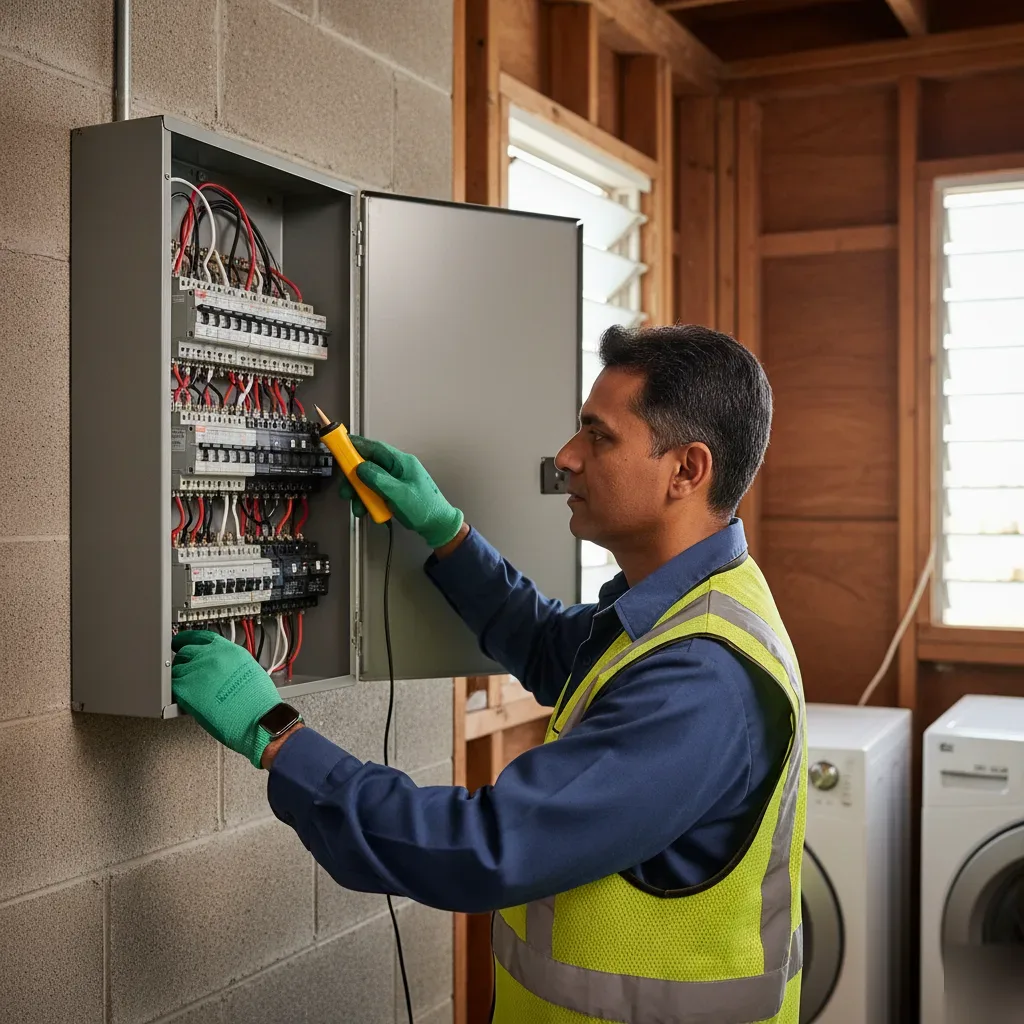
Quick Summary:
Electrical Panel Installation in Oahu: Done Right the First Time
What’s Covered on This Page
- Signs Your Oahu Home Needs a New Electrical Panel
- How to Choose the Right Panel Size for Your Oahu Property
- What to Expect When True Power Electrical Services Installs Your Panel in Oahu
- How Oahu’s Climate and Building Codes Shape Panel Installation
- Protecting Your Oahu Home After a New Panel Is Installed
- How long will my power be off during an electrical panel installation in Oahu?
- Do I need a permit for a panel replacement in Oahu?
- Why do electrical panels wear out faster in Oahu than on the mainland?
- What size electrical panel does my Oahu home actually need?
- What are the warning signs that my panel needs to be replaced soon?
- What should I do to prepare before a panel installation appointment?
Need electrical panel installation?
Schedule Electrical Service. Call True Power Electrical Services now.
Signs Your Oahu Home Needs a New Electrical Panel
Your panel talks to you before it fails. Most people just don’t know what to listen for. We see it every single week. A homeowner in Kailua or Mililani calls about something “weird” happening with their lights or outlets, and nine times out of ten, the panel is the culprit.
Flickering lights are the most obvious sign. Not the quick flicker when your AC kicks on. We’re talking about lights that dim and stay dim when you run the microwave and the dryer at the same time. That’s your panel struggling to keep up with demand. It’s rationing power across your circuits, and that’s not a safe situation.
Breakers that trip repeatedly are telling you something. A breaker is built to trip once to protect you. If you’re resetting the same breaker every few days, that circuit is overloaded or the breaker itself is shot. Don’t just keep flipping it back. That’s your panel asking for help.
Warm spots on the panel cover? Call immediately. A panel should never feel warm to the touch. Heat points to loose connections, corroded bus bars, or failing breakers. On Oahu, salt air and humidity chew through panel internals faster than most mainland homes ever see. A warm panel is a fire risk. Full stop.
A few more things worth watching for: a burning or metallic smell near your breaker box, scorch marks or discoloration on the panel door, buzzing or crackling sounds coming from inside the box. Any of those mean something is arcing or overheating in there.
Got a home built before 1990? There’s a good chance your panel is undersized for how you actually live now. EV chargers, mini-split AC systems, home offices running multiple monitors. Older 100-amp panels weren’t built for that kind of load. Neighborhoods like Pearl City and Ewa Beach are full of homes with original panels from the 1980s that are long overdue.
Not sure if what you’re seeing is serious? That’s pretty common. Most homeowners can’t tell the difference between a minor quirk and a real danger just by looking. A quick inspection gives you a clear answer so you’re not left guessing.
How to Choose the Right Panel Size for Your Oahu Property
This is the question we hear more than anything else. “What size panel do I actually need?” And it’s where most homeowners get tripped up, because the answer depends on your home, your habits, and what you’re planning for the next ten years.
Most older homes across Oahu still run on 100-amp panels. That was fine decades ago. But think about what you’re powering now. Central AC, multiple refrigerators, electric water heaters, maybe a home office with serious equipment. A 100-amp panel can’t keep up. We see this constantly in Kailua homes built in the ’70s and ’80s. Looks fine on the outside. Maxed out on the inside.
For a typical single-family residence, a 200-amp panel handles most modern needs comfortably. It gives you room for today’s appliances and enough spare capacity for future additions. Planning to add an EV charger? That alone can pull 40 to 50 amps. Want a mini-split AC system or a real workshop in the garage? You’ll need that headroom.
Larger properties or homes with guest cottages sometimes need even more. Some multi-unit residences we work on in Honolulu require 400-amp service to keep everything running safely. Light commercial spaces like restaurants and retail shops on Oahu often fall into this category too.
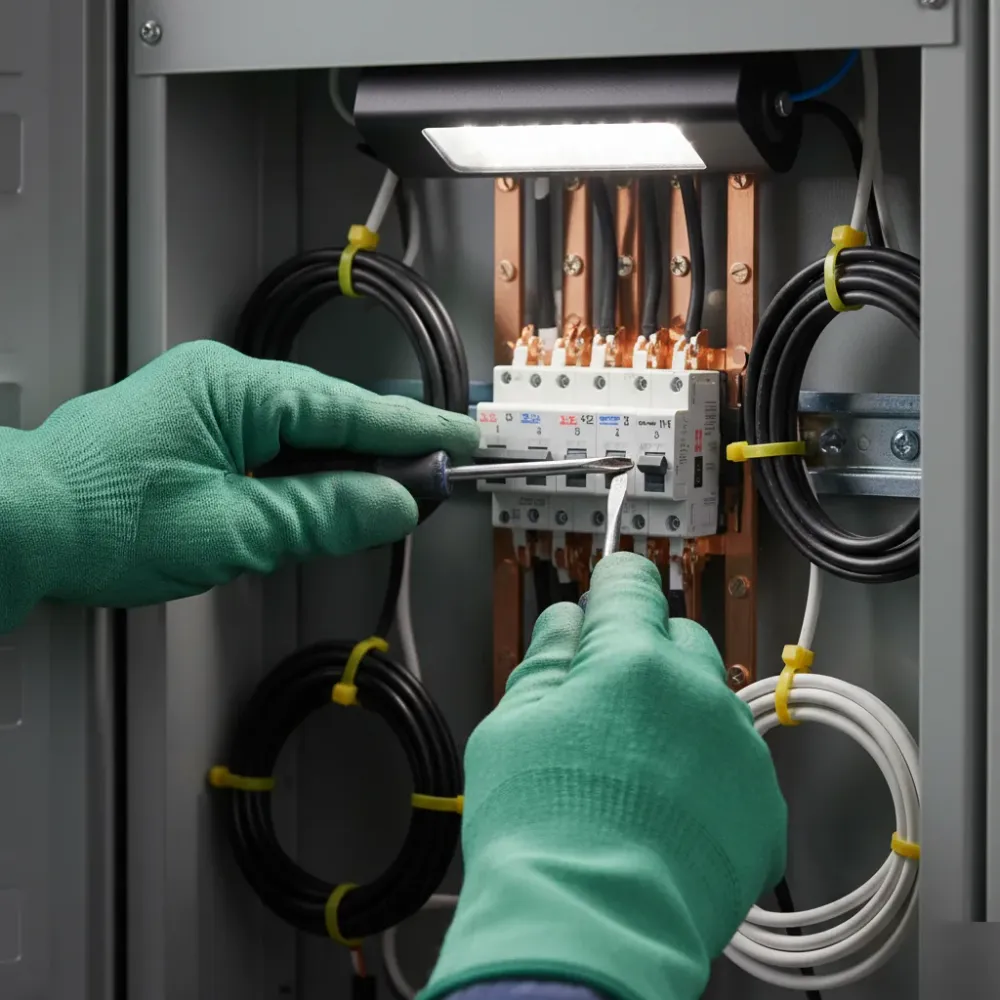
An undersized panel isn’t just inconvenient. Overloaded circuits generate heat, and heat causes problems you really don’t want. According to NerdWallet’s guide to electrical panel replacement costs and considerations, panel size and scope of work are among the biggest factors that affect what homeowners should budget and plan for. So how do we figure out the right fit? We do a full load calculation. Every circuit, every major appliance, every planned upgrade. Not a guess. Not a rule of thumb. An actual calculation based on your property, done during our on-site evaluation. It takes about thirty minutes and tells us exactly what your home needs.
Don’t just pick a number because it sounds right. The difference between the right panel and the wrong one is years of reliable power versus constant headaches.
What to Expect When True Power Electrical Services Installs Your Panel in Oahu
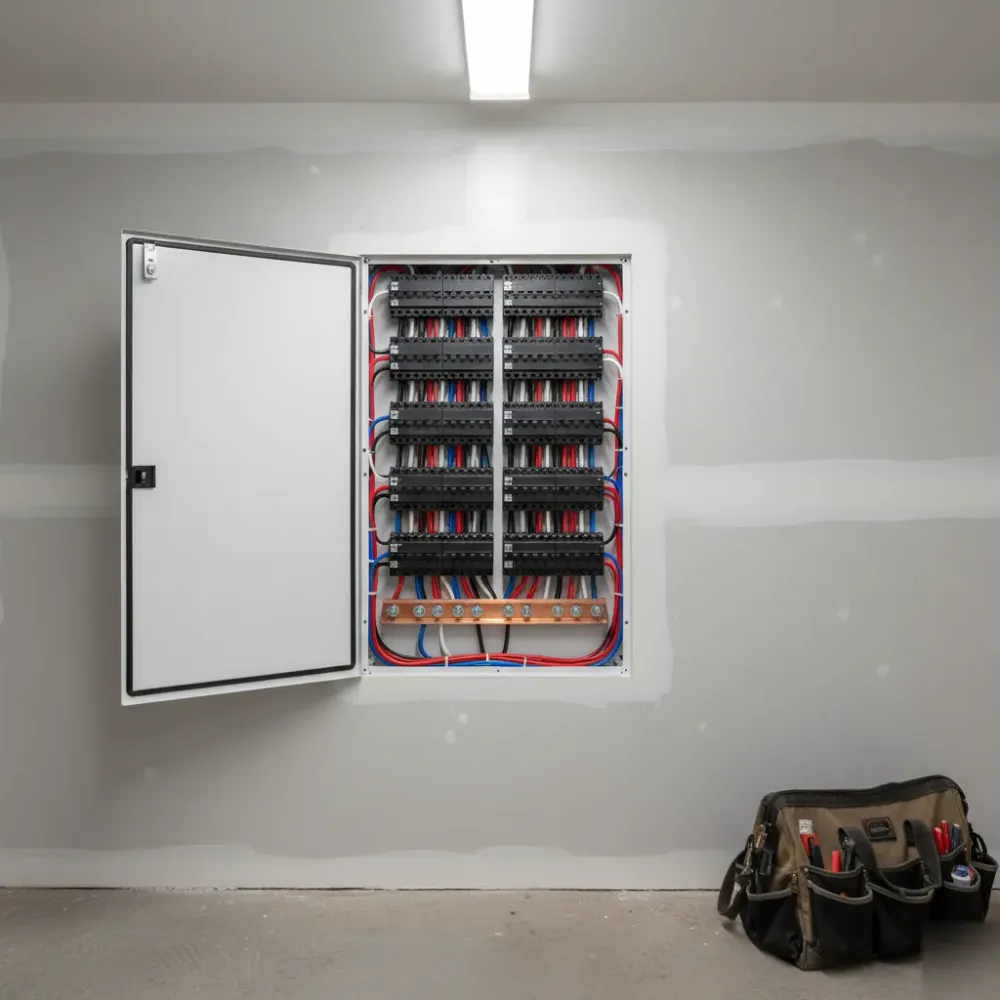
Most folks want to know one thing before we show up: how long will my power be off? Fair question. For a standard residential panel swap, you’re looking at most of a single day. We plan every step before we pull the meter so your downtime stays as short as possible.
Here’s how it actually goes.
Our licensed electrician arrives and does a final walkthrough of your existing setup. We confirm the new panel location, check your grounding system, and make sure our permit paperwork from the City and County of Honolulu is posted and visible. Then we coordinate with HECO to disconnect your service. Once the power’s off, we pull the old panel, clean up the wiring, and mount the new enclosure.
This is where experience really matters. Every wire gets labeled, inspected, and reconnected to the correct breaker. We run into homes in Kailua and Kaneohe where previous work left circuits doubled up on single breakers. That’s a fire risk, and we fix it right then and there. No extra visit needed. We also install a proper grounding electrode conductor if yours is missing or corroded, and Oahu’s salt air chews through those faster than most people realize.
After everything’s wired and torqued to spec, we run a full load test on every circuit. Lights, outlets, your AC unit, water heater, all of it. We don’t button up the cover until we’ve confirmed balanced loads and tight connections. Small issues almost always turn up during this step. Better to catch them now.
Then comes the county inspection. We schedule it, we’re on-site for it, and we handle any questions the inspector has. You don’t need to take time off work or stress about code details. Once you pass, HECO reconnects your service and you’re back up and running.
We walk you through your new panel before we leave. Show you how to identify each breaker, where your main shutoff is. Simple stuff, but it matters during a storm or an emergency. And we clean up everything. Your garage or utility area looks better than when we started.
Need help figuring out if your panel’s ready for an upgrade? Give us a call.
Need help with electrical panel installation?
Schedule Electrical Service. True Power Electrical Services is ready to help.
How Oahu’s Climate and Building Codes Shape Panel Installation
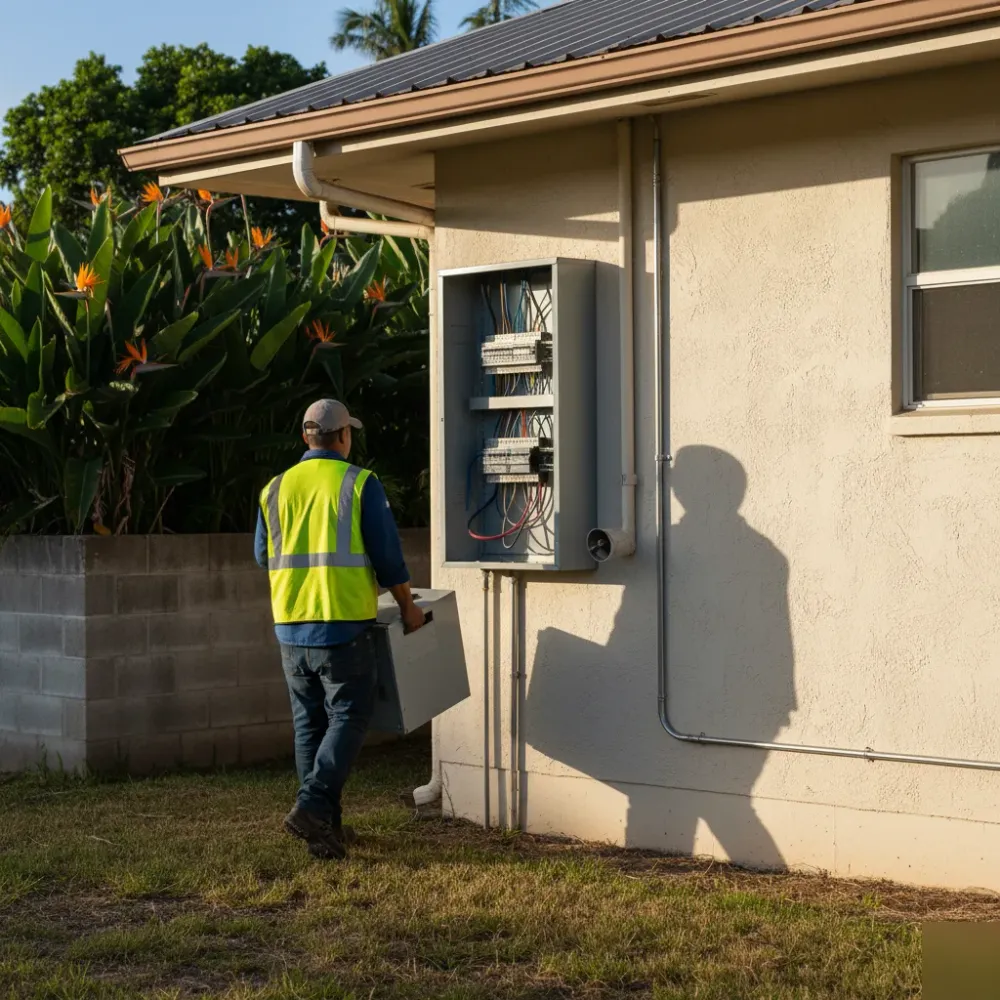
Salt air eats metal. That’s just the reality of living on Oahu, and it’s something we deal with on every single install. A panel that lasts twenty years on the mainland might show serious corrosion in half that time here. Trade winds carry salt moisture inland, which means even homes in Mililani or up in Aiea aren’t immune. Corroded bus bars, green-crusted breaker connections, rusted enclosures. We see it constantly. So every panel we install gets chosen and placed with the island environment in mind.
Humidity is the other factor people underestimate. Oahu stays warm and damp year-round. Moisture inside an electrical panel creates hot spots, weakens connections, and wears down components that should be rock solid. We pay close attention to where the panel sits on your property. Under an eave? Exposed to direct rain splash? Getting full afternoon sun that causes condensation swings overnight? These details matter more here than almost anywhere else in the country.
Hawaii adopted the 2017 National Electrical Code with local amendments, and the City and County of Honolulu has its own permitting process layered on top of that. Every panel installation on Oahu requires a permit and inspection. No exceptions. We handle the permit application, coordinate the inspection, and make sure everything passes the first time. Delays usually happen because someone skipped the permit or didn’t know about a local amendment. We don’t let that happen on our jobs.
There’s also a strong push on Oahu toward solar and EV readiness. Hawaii leads the nation in rooftop solar per capita, which means your new panel likely needs to accommodate a solar inverter connection, an EV charger circuit, or both. We plan for that from day one so you’re not paying for another upgrade two years from now.
Corrosion-resistant hardware, proper weatherproofing, placement strategies built for island conditions. This isn’t a one-size-fits-all job. Your Oahu home deserves a panel that can handle what this climate throws at it.
Protecting Your Oahu Home After a New Panel Is Installed
A new panel isn’t a set-it-and-forget-it situation. It’s the starting point. We tell every customer the same thing after we finish an installation: pay attention to how your panel behaves in the first few weeks, then build some simple habits around it.
Get familiar with your new breaker layout. We label every circuit clearly, but take five minutes to walk through it yourself. Know which breaker controls your kitchen, your water heater, your bedrooms. If a storm rolls through Kailua or the power flickers during heavy winds on the North Shore, you’ll want to find the right breaker fast.
Here’s something we see all the time. Homeowners get a brand new panel and then plug a dozen devices into one outlet using power strips and adapters. Your panel can handle more now, but your branch wiring hasn’t changed. Spread your loads out. Use dedicated circuits for heavy appliances. That’s how you protect both the panel and the wiring behind your walls.
Schedule an electrical inspection about a year after installation. Oahu’s salt air and humidity are rough on connections. A quick check lets us catch any corrosion or loose terminals before they turn into real problems. Most issues we find during annual inspections take minutes to fix. Left alone, they can cause overheating or worse.
Keep the area around your panel clear. No storage boxes stacked in front of it. No shelving crowding it. You need at least three feet of clearance for safety and code compliance. And if you ever smell something burning near the panel, or notice a breaker that won’t stay reset, call us right away. Don’t wait on that.
Think of your new panel like a new roof. Built to last, but only if you take care of it. Our licensed team at True Power Electrical Services is always a phone call away if something feels off. That peace of mind is the whole point of doing the job right in the first place.
Frequently Asked Questions
Common questions about electrical panel installation services in Oahu
How long will my power be off during an electrical panel installation in Oahu?
For most homes in Oahu, your power will be off for the majority of one day. We coordinate with HECO ahead of time to keep that window as short as possible. Before we pull the meter, every step is planned out. After the new panel is installed and all circuits are tested, we schedule the county inspection. Most homeowners are back to full power the same day we start.
Do I need a permit for a panel replacement in Oahu?
Yes, a permit from the City and County of Honolulu is required for any electrical panel installation in Oahu. We handle the permit paperwork for you and post it on-site before work begins. A county inspector also comes out after the job is done. You do not need to take time off work for that visit. We are on-site and handle all inspector questions directly.
Why do electrical panels wear out faster in Oahu than on the mainland?
Oahu’s salt air and high humidity break down panel internals much faster than dry climates. Corrosion builds up on bus bars, breaker contacts, and grounding connections over time. This is especially common in homes near the coast. A panel that might last 40 years in a dry climate can develop serious problems in 20 years here. That is why regular inspections matter more in Oahu than most places.
What size electrical panel does my Oahu home actually need?
Most modern single-family homes in Oahu need at least a 200-amp panel to handle today’s appliances comfortably. If you plan to add an EV charger, a mini-split AC system, or a home office with heavy equipment, that headroom matters. Older 100-amp panels common in homes built before 1990 are often maxed out. We do a full load calculation on-site so the recommendation is based on your actual home, not a guess.
What are the warning signs that my panel needs to be replaced soon?
The most common signs are breakers that trip repeatedly, lights that dim when multiple appliances run at once, and a panel that feels warm to the touch. A burning or metallic smell near your breaker box is also a serious warning. Any of these mean your panel is struggling or failing. A warm panel is a fire risk and should be looked at right away, not put off.
What should I do to prepare before a panel installation appointment?
Plan for your power to be off for most of the day and charge any devices you will need ahead of time. Make sure the area around your breaker box is clear so our electrician can work safely. If you have a freezer full of food, a cooler with ice is a smart backup. You do not need to be home the entire time, but someone should be available at the start so we can do our walkthrough together.
Ready to Get Started?
Schedule Electrical Service Call (808) 427-3144 today.
