
Electrical Outlet & Switch Relocation in Oahu
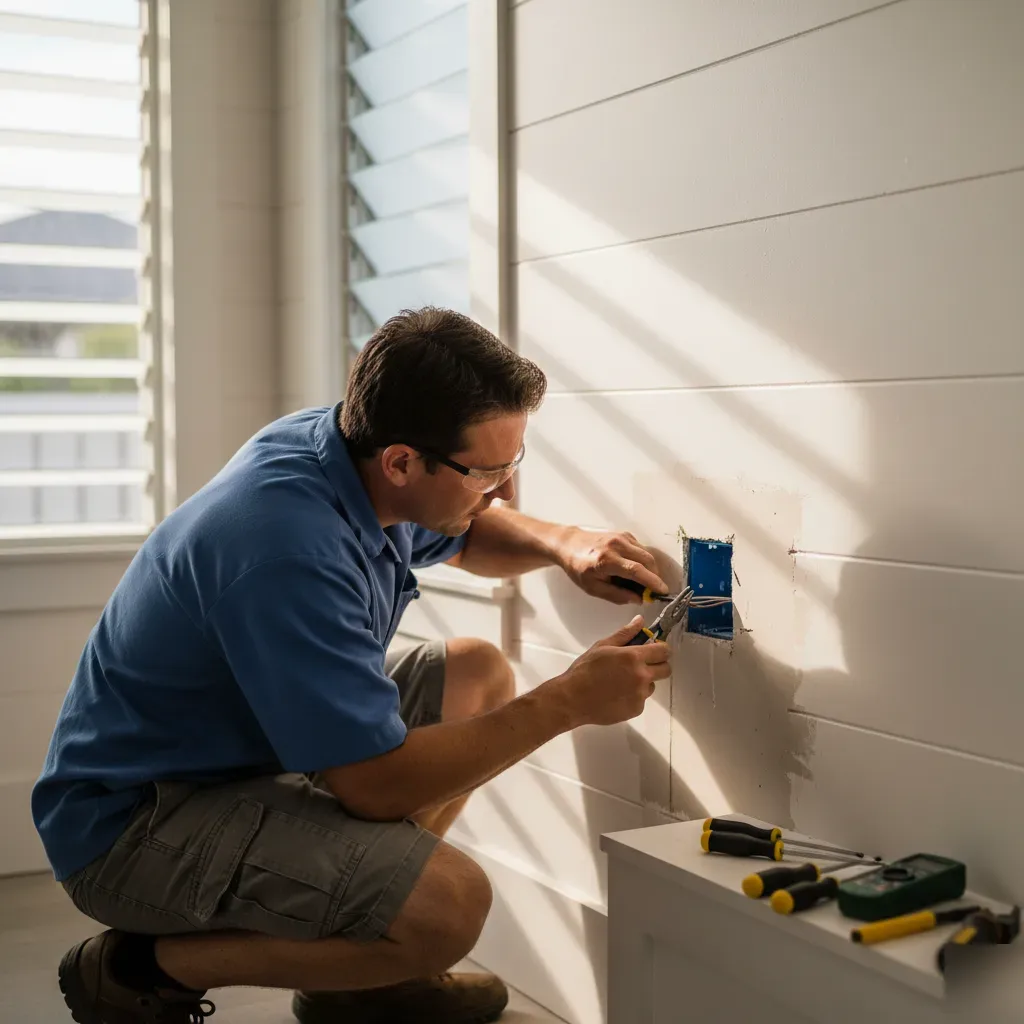
Quick Summary:
Electrical Outlet & Switch Relocation in Oahu, Done Right the First Time
What’s Covered on This Page
- Why Oahu Homes and Businesses Need Outlet and Switch Relocation
- How to Know If Your Outlet or Switch Location Is a Code or Safety Problem
- What the Electrical Outlet and Switch Relocation Process Looks Like in Oahu
- Permits and Inspections for Outlet and Switch Relocation in Oahu
- How to Prepare Your Oahu Home Before the Electrician Arrives
- How long does outlet or switch relocation take in an Oahu home?
- Do Oahu homes have any special electrical code requirements I should know about?
- Is it safe to just use an extension cord instead of relocating an outlet?
- What should I expect when a licensed electrician comes to relocate my outlet or switch?
- How do I know if my outlet or switch location is actually a code violation?
- Can outlets and switches be relocated in concrete block walls common on Oahu?
Need electrical outlet & switch relocation?
Schedule Electrical Service. Call True Power Electrical Services now.
Why Oahu Homes and Businesses Need Outlet and Switch Relocation
A lot of homes on Oahu were built decades ago. The electrical layouts made sense back then. But the way we use electricity now? Completely different story.
Think about it. You’ve got a kitchen outlet hiding behind a new refrigerator. A light switch buried inside a closet you just built out. Maybe you renovated a bedroom in your Kailua home and now the only outlet sits right where your headboard goes. We see this every single week. The original wiring plan just doesn’t match how you actually live in the space anymore.
And it’s not only about convenience. Outlets and switches in the wrong spots create real problems. Extension cords stretched across walkways. Power strips daisy-chained together behind furniture. According to the Electrical Safety Foundation International, home electrical fires account for roughly 51,000 incidents each year in the United States. Overloaded outlets and improper cord use are major contributors. Moving an outlet to the right location removes that risk at the source.
Oahu’s building stock is unique, too. Older plantation-style homes, mid-century concrete block houses, and newer townhomes in Kapolei all have different wall structures and wiring methods. Each one calls for a specific approach when relocating electrical points. What works in a wood-frame cottage won’t work the same way in a post-and-pier home with plaster walls.
Businesses deal with this just as often. A small retail shop in Honolulu rearranges its layout and suddenly needs outlets on the opposite wall. An office adds new workstations and the existing switch placement blocks a partition. These aren’t cosmetic issues. They affect daily operations, safety, and even code compliance.
So why do people put it off? Most folks assume it’s a huge project. It doesn’t have to be. A licensed electrician can relocate outlets and switches cleanly, often in a single visit. The wiring runs through the wall where it belongs. No exposed cords. No adapters. No guessing if it’s safe. Just power exactly where you need it, done right the first time.
How to Know If Your Outlet or Switch Location Is a Code or Safety Problem
Some signs are obvious. Others hide behind furniture for years. our full list of electrical services
We see this every single week. A homeowner in Kailua calls because they finally moved a bookshelf and found a discolored outlet plate. Or they’re remodeling a bathroom and realize the only outlet sits right next to the shower with no GFCI protection. That’s not just inconvenient. It’s dangerous. And on Oahu, where older homes from the 1960s and 70s are everywhere, outdated outlet and switch placements are more common than most people think.
So how do you tell if your situation is a real problem? Start with the basics. The National Electrical Code requires outlets within certain distances of water sources to have GFCI protection. If your kitchen counter has a standard outlet less than six feet from the sink, that’s a code violation. Same goes for bathrooms, garages, and outdoor areas. Switches installed inside shower zones or too close to a tub are another red flag we find in plenty of homes across Honolulu.
Then there’s the spacing issue. Modern code says you shouldn’t have to stretch a cord more than six feet to reach an outlet along any wall. Older Oahu homes often fall short of this. You’ll notice it when every room depends on extension cords or power strips just to function. That’s not a quirk of an old house. It’s a fire risk.
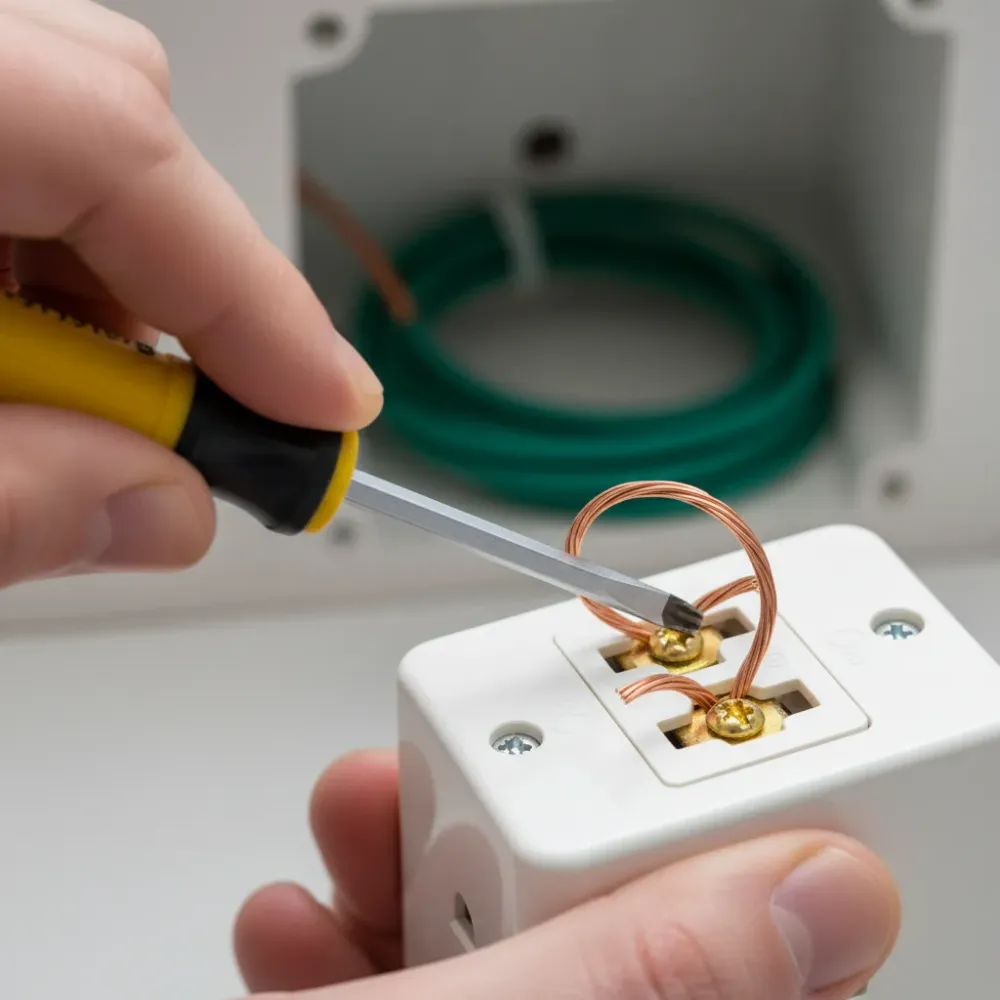
Not sure if your situation qualifies? That’s actually pretty common. Here’s a quick check. Look at outlets near water. Are they GFCI protected with a test and reset button? Check switches in damp areas. Do they feel warm or buzz when you flip them? Count the outlets per room. If you’re relying on more than one power strip, your layout probably doesn’t meet current standards.
Warm outlet covers, flickering lights when you flip a switch, or a faint burning smell near a wall plate. These aren’t things to monitor. They’re things to act on. Our licensed electricians can evaluate your home’s layout and tell you exactly what needs to move, what needs upgrading, and what’s already fine. You can also check out our full list of electrical services to see how outlet and switch relocation fits into a bigger safety plan for your home.
What the Electrical Outlet and Switch Relocation Process Looks Like in Oahu
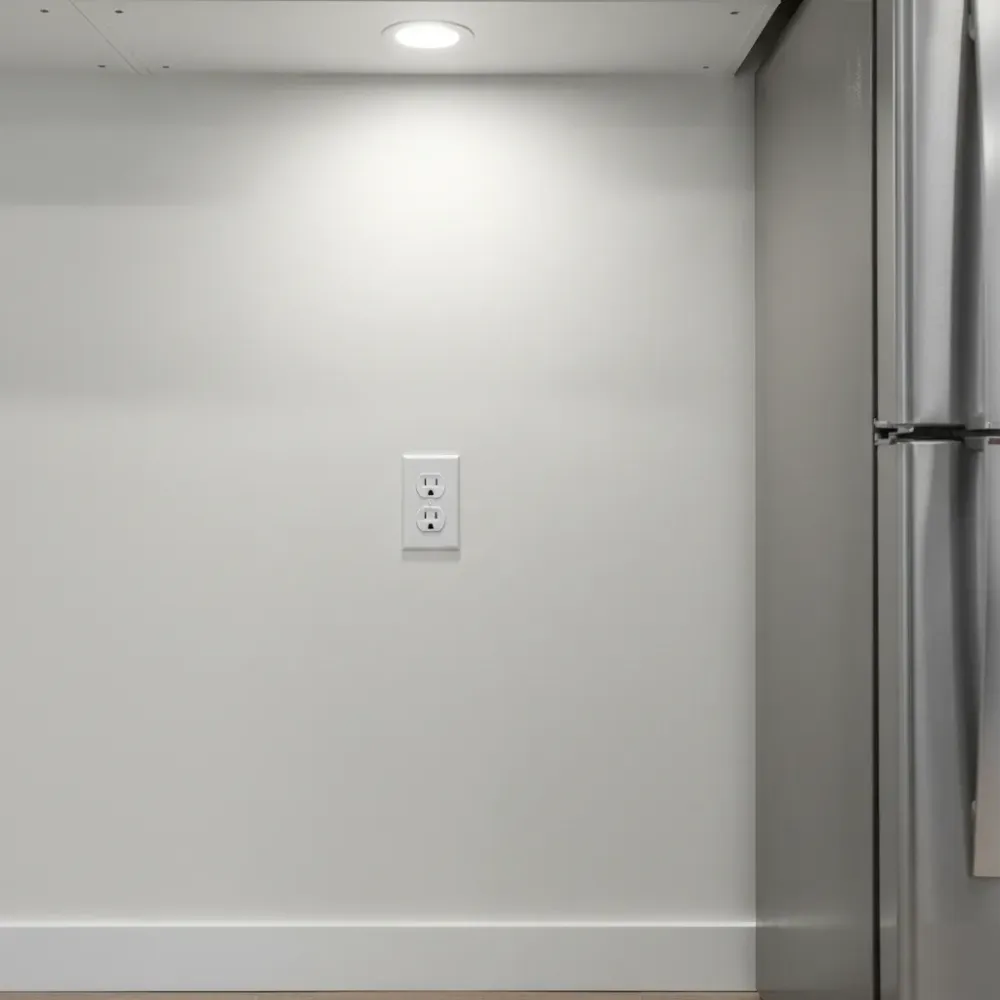
People always ask us, “So what actually happens when you move an outlet?” Fair question. Here’s the honest rundown of how we handle it from start to finish.
First, we shut off power to the circuit. No shortcuts. We verify it’s dead with a voltage tester before touching a single wire. Then we open up the existing outlet or switch location and trace the wiring path inside your wall. In many Oahu homes, especially older places in Kailua or around Pearl City, the wire routing can surprise you. We’ve pulled back drywall and found knob-and-tube remnants, aluminum wiring, or junction boxes buried behind layers of remodeling. Nine times out of ten, there’s something unexpected behind that wall plate.
Once the existing wiring, we map out the new location with you. We’ll mark it on the wall so you can see exactly where your new outlet or switch will sit. Height matters. Distance from water sources matters. And the National Electrical Code has specific rules about spacing and placement that we follow on every single job.
Next comes the physical work. We run new wire from your panel or the nearest junction point to the new spot. This might mean fishing wire through wall cavities, drilling through studs, or running conduit along the exterior if your home’s construction requires it. Concrete block walls are common across Oahu, and they demand a completely different approach than wood-framed construction. We cut in a new electrical box, make our connections, and secure everything properly.
The old location gets handled cleanly too. We don’t just cap wires and leave a hole. We terminate the old box to code, install a blank cover plate, or patch the opening depending on what makes sense for your space.
Before we flip the breaker back on, we test every connection. Proper polarity, solid ground, correct amperage on the circuit. We check it all. Then we power up, test the outlet or switch with you standing right there, and make sure everything works exactly how you need it to. The whole process usually takes a few hours for a straightforward relocation. More complex jobs involving multiple outlets or difficult wall construction might take a full day.
Need help with electrical outlet & switch relocation?
Schedule Electrical Service. True Power Electrical Services is ready to help.
Permits and Inspections for Outlet and Switch Relocation in Oahu
Here’s something most homeowners don’t realize. Moving an outlet or switch isn’t just a quick wiring job. On Oahu, it’s permitted work. The City and County of Honolulu requires an electrical permit for any new circuit installation or modification to existing wiring. That includes relocating outlets and switches inside your walls.
We handle the permit process for you. Every single time. Our team pulls the permit, schedules the inspection, and makes sure everything passes on the first visit. You shouldn’t have to figure out permit applications or chase down inspectors. That’s our job, and we’ve done it hundreds of times across Oahu.
So why does this matter to you? Because unpermitted electrical work can cause real problems down the road. If you ever sell your home, a buyer’s inspector will flag it. Insurance companies can deny claims tied to unpermitted modifications. And most importantly, work done without inspection skips the safety check that catches dangerous mistakes. According to the National Fire Protection Association, electrical failures are a leading cause of home fires. That inspection exists to protect your family.
The process itself is straightforward. We submit the permit before starting work. After we finish the relocation, a city electrical inspector visits to verify everything meets current code. They’ll check wire gauge, connection quality, box fill, and proper grounding. Homes in neighborhoods like Kailua or Mililani sometimes have older wiring that needs extra attention during inspection. We account for that before we even start.
Nine times out of ten, our jobs pass inspection the same day. No callbacks. No rework. That’s what happens when a licensed electrician does the job right from the start. exactly what Oahu inspectors look for because we work with them regularly.
Not sure if your project needs a permit? Give us a call. We’ll walk you through it in two minutes. Skipping this step isn’t worth the risk, and with our team, you won’t have to think about it twice.
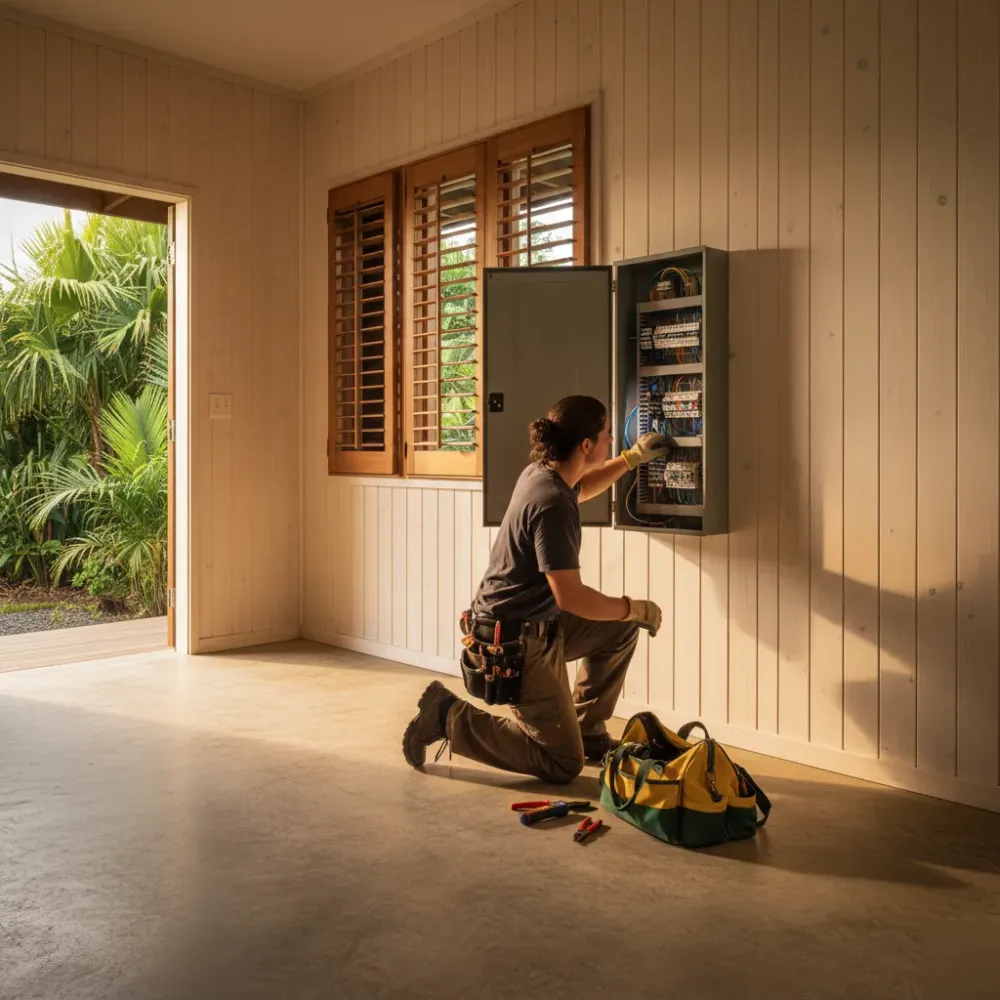
How to Prepare Your Oahu Home Before the Electrician Arrives
A little prep goes a long way. Before our team shows up, there are a few things you can do that’ll make the whole job smoother and faster for everyone.
First, clear the area around the outlets or switches we’ll be working on. Pull furniture away from the walls. Take down any pictures or shelves that might be in the path. We see this all the time in older Kailua homes where bookshelves have been pushed against the same wall for years. Moving things ahead of time means we can get right to work instead of spending the first twenty minutes rearranging your living room.
Next, know where your electrical panel is. Sounds simple, right? But you’d be surprised how many folks on Oahu haven’t opened that panel box since they moved in. It might be in your garage, a hallway closet, or on an exterior wall. We’ll need access to it so we can shut off power safely to the circuits we’re relocating. If the panel labels are faded or missing, don’t worry. We’ll identify the right breakers ourselves.
Think about your daily routine, too. We’ll need to cut power to parts of your home during the work. So charge your phone. Set up a fan in another room if it’s a warm day. If you work from home, plan around the downtime or let us know your schedule. We’re flexible.
Got pets? We love them, but a curious dog and open wall cavities don’t mix well. Keep pets in a separate room or with a neighbor while we’re on site.
One more thing. If you’ve already picked out where you want your new outlets or switches, mark those spots with painter’s tape. Even a rough idea helps. And if you’re not sure yet, that’s totally fine. We’ll walk through the options with you before we cut into anything. Need help figuring this out? Give us a call and we can talk through it before your appointment.
Frequently Asked Questions
Common questions about electrical outlet & switch relocation services in Oahu
How long does outlet or switch relocation take in an Oahu home?
Most single outlet or switch relocations take just a few hours in one visit. The timeline depends on your wall type. Wood-frame homes move faster than concrete block construction, which is common across Oahu. If we find older wiring like knob-and-tube behind the wall, that adds time. We always walk you through what we find before moving forward. Most homeowners are back to normal by the same afternoon.
Do Oahu homes have any special electrical code requirements I should know about?
Yes, Oahu follows the National Electrical Code, and older homes here often don’t meet current standards. Plantation-style homes, mid-century concrete block houses, and post-and-pier cottages all have different wiring setups. GFCI protection is required near water sources like kitchen sinks, bathrooms, and outdoor areas. Many homes built in the 1960s and 70s across Honolulu and Kailua were never updated to match these rules. A licensed electrician can tell you exactly what needs to move or upgrade.
Is it safe to just use an extension cord instead of relocating an outlet?
No, extension cords are not a safe long-term solution. They are meant for temporary use only. Running them across walkways or behind furniture creates a real fire risk. The Electrical Safety Foundation International links overloaded outlets and improper cord use to roughly 51,000 home electrical fires each year in the U.S. Moving your outlet to the right spot removes that risk completely. You get power exactly where you need it without the hazard.
What should I expect when a licensed electrician comes to relocate my outlet or switch?
Your electrician will shut off power to the circuit first and verify it is dead before touching anything. Then they trace the wiring inside your wall and mark the new location with you before any cutting starts. You will see exactly where the new outlet or switch will sit. After running new wire and installing the box, they test everything before calling the job done. The whole process is clean, and there are no exposed cords left behind.
How do I know if my outlet or switch location is actually a code violation?
Check outlets near water first. If they do not have a GFCI test and reset button within six feet of a sink, that is a code violation. Also look at how many extension cords or power strips your rooms depend on daily. Current code says you should never need to stretch a cord more than six feet to reach a wall outlet. Warm outlet covers, buzzing switches, or a faint burning smell near a wall plate are signs to act on right away.
Can outlets and switches be relocated in concrete block walls common on Oahu?
Yes, but it requires a different approach than wood-frame construction. Concrete block walls need conduit runs or exterior routing in some cases, and the work takes more time and skill. Many homes in Kapolei and across Oahu are built this way. An experienced electrician will assess your wall type before starting and explain exactly how the wire will be routed. The finished result looks just as clean as any standard relocation job.
Ready to Get Started?
Schedule Electrical Service Call (808) 427-7200 today.
