
Electrical Outlet Repair in Oahu
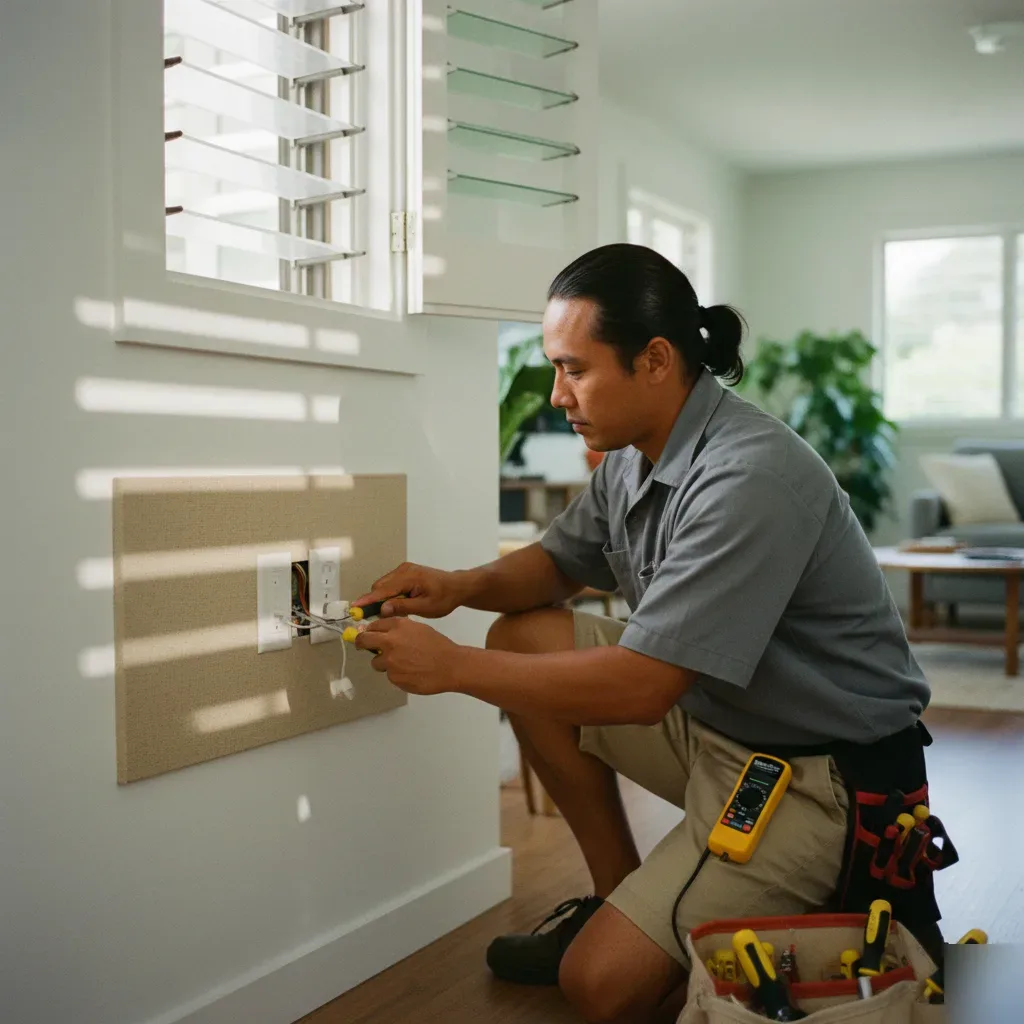
Quick Summary:
Electrical Outlet Repair in Oahu: Fix It Fast and Safely
What’s Covered on This Page
- Warning Signs Your Oahu Home Needs Electrical Outlet Repair
- Common Electrical Outlet Problems Found in Oahu Properties
- What to Expect When True Power Electrical Services Repairs Your Outlet in Oahu
- GFCI Outlet Repair and Replacement in Oahu Kitchens and Bathrooms
- How to Prevent Outlet Failures in Oahu’s Humid Climate
- How do I know if my outlet actually needs repair or if it’s just a tripped breaker?
- Why do outlets in Oahu wear out faster than on the mainland?
- Is a warm outlet something I should fix right away?
- What happens when the electrician arrives to repair my outlet in Oahu?
- Do bathroom and kitchen outlets in Oahu need to be a special type?
- Can I replace an outlet myself, or do I need a licensed electrician in Oahu?
Need electrical outlet repair?
Schedule Electrical Service. Call True Power Electrical Services now.
Warning Signs Your Oahu Home Needs Electrical Outlet Repair
That little spark when you plug in your coffee maker? Don’t ignore it. A lot of homeowners across Oahu treat outlet problems like minor annoyances. They’re not. They’re your home telling you something is wrong behind the wall.
Here’s what we hear from customers almost every week. The outlet feels warm to the touch. Or a plug keeps falling out because the receptacle won’t grip anymore. Sometimes there’s a faint burning smell near a baseboard, and nobody can figure out where it’s coming from. These are all signs that an outlet needs professional attention, and soon.
Some problems are obvious. Scorch marks around the outlet plate. A buzzing sound when something’s plugged in. Lights flickering in just one room. But other signs are sneaky. You might notice a circuit breaker tripping more often than it used to. Or maybe your phone charger only works if you hold the cord at a certain angle. In most cases, that’s a worn-out outlet, not a bad charger.
Older homes in neighborhoods like Kailua and Manoa often have outlets that haven’t been touched in decades. Salt air and humidity on Oahu speed up corrosion inside receptacles. Connections loosen faster here than they would on the mainland. According to the Electrical Safety Foundation International, electrical failures cause more than 50,000 home fires each year in the United States. A damaged outlet is one of the most common starting points.
So what should actually make you pick up the phone? Any outlet that’s hot, discolored, or making noise. Any outlet that doesn’t hold a plug firmly. Any room where you’ve lost power to one or two receptacles but the breaker hasn’t tripped. And definitely any outlet near water, like in your kitchen or bathroom, that isn’t a GFCI type.
You don’t need to diagnose the exact cause yourself. That’s our job. But recognizing these warning signs early can save you from a much bigger repair down the road, or worse, a safety hazard your family doesn’t deserve.
Common Electrical Outlet Problems Found in Oahu Properties
Loose plugs that fall right out of the wall. A bedroom outlet that just stopped working one day. Scorch marks around a plug you use for your window AC unit. These are the calls we get every single week from homes across Oahu.
The most common issue? Worn-out receptacles. Outlets have metal contact points inside that grip your plug prongs. Over time, those contacts lose their tension. Plugs slip out. Connections get intermittent. And intermittent connections create heat. That’s where things get dangerous. Older homes in Kailua and Kaneohe built in the 1960s and 70s tend to have this problem more than newer construction simply because the outlets have decades of use on them.
We also find a lot of outlets wired incorrectly by previous homeowners or unlicensed handymen. Reversed polarity, missing ground wires, backstabbed connections instead of proper screw terminals. You can’t see any of this from the outside. The outlet looks fine. But behind the faceplate, it’s a mess waiting to cause trouble. According to the Electrical Safety Foundation International, electrical failures are a leading cause of home structure fires in the United States. That stat hits different when you’re staring at melted wire insulation inside someone’s kitchen wall.
Oahu’s humidity and salt air create problems you won’t find on the mainland. Corrosion builds up on terminals and wiring connections, especially in properties near the coast. We’ve pulled outlets in Ewa Beach that looked green inside from oxidation. That corrosion increases resistance, which increases heat. Not good.
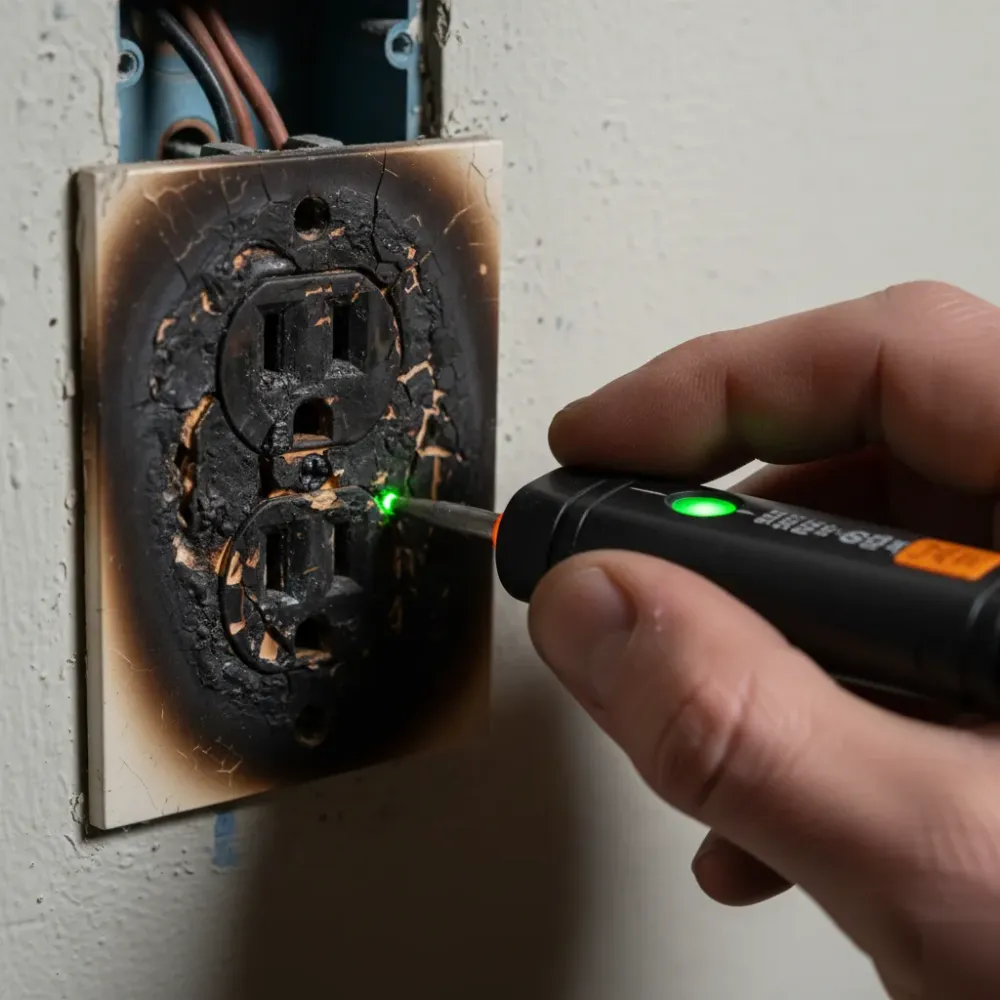
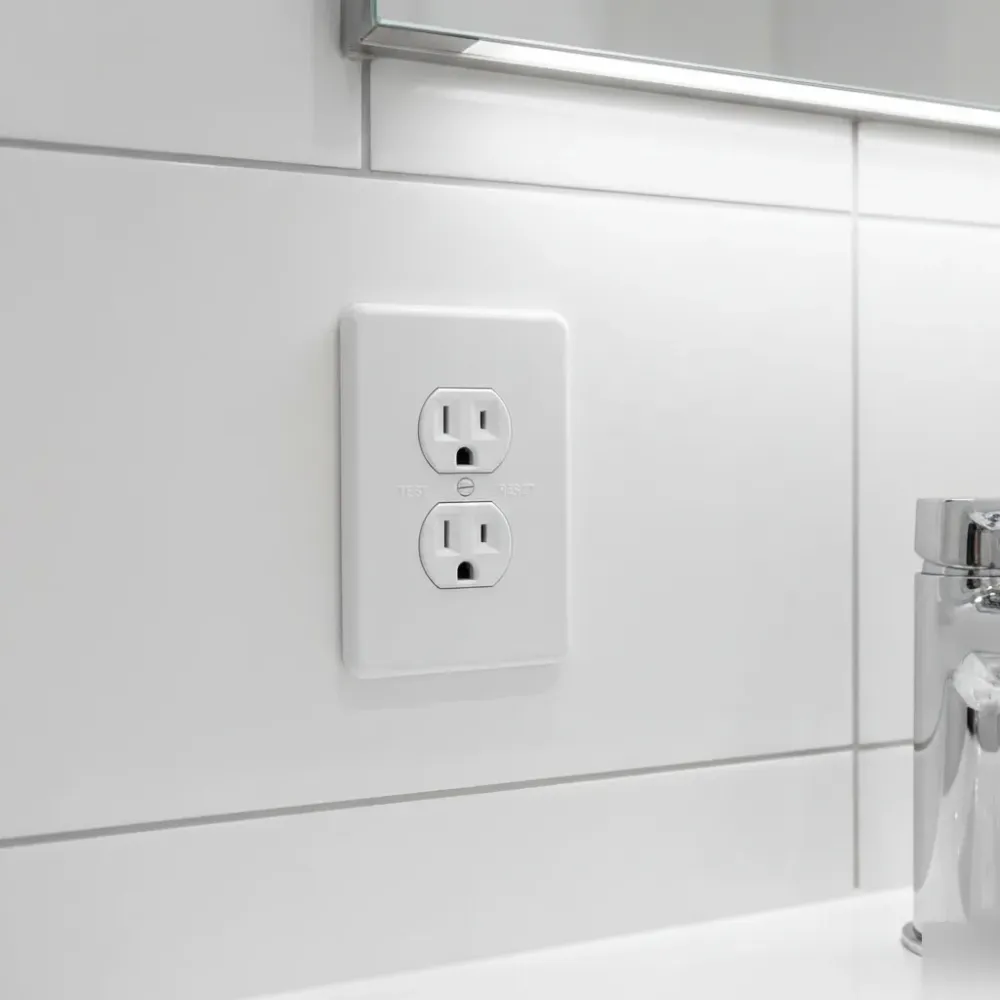
Then there’s the GFCI issue. Kitchens, bathrooms, garages, and outdoor areas all require GFCI-protected outlets per code. Most of the time, when someone tells us their bathroom outlet “doesn’t work,” it’s a tripped GFCI that either needs resetting or replacing. Sometimes the GFCI itself has failed. They don’t last forever, and the humid conditions here on Oahu shorten their lifespan compared to drier climates.
Other problems we regularly diagnose include overloaded circuits causing outlets to feel warm, damaged outlet boxes from renovations, and aluminum wiring connections in older properties that need special attention. Understanding how electrical wires run through walls helps explain why outlet repairs often involve more than just swapping a receptacle. If you’ve noticed anything unusual with your outlets, even something small, it’s worth getting checked. Small outlet problems have a way of becoming big ones fast.
What to Expect When True Power Electrical Services Repairs Your Outlet in Oahu
We show up on time. That’s the first thing. When you book a repair with our team, we confirm a window and stick to it. You’ve got things to do, and waiting around all day for an electrician isn’t one of them.
Here’s how the visit actually goes. Our licensed electrician arrives, introduces themselves, and asks you to walk them to the problem outlet. Before touching anything, they’ll do a quick visual check. Scorch marks, cracked faceplates, loose plugs that fall out of the receptacle. These details tell us a lot before we even pull out a meter. Then we cut power to that circuit at the panel and start testing.
Usually we can diagnose the issue in the first fifteen minutes. Loose connections inside the box are the most common thing we find in older Oahu homes, especially in neighborhoods like Kailua where the housing stock goes back decades. Salt air and humidity speed up corrosion on wiring terminals, so what looks fine from the outside can be a mess behind the cover plate. We check every connection point, inspect the wire condition, and test for proper grounding.
If the fix is straightforward, we handle it right then. New receptacle, secure connections, proper grounding, and a clean faceplate install. If we find something bigger, like aluminum wiring that needs special connectors or a circuit that’s been overloaded for years, we’ll explain exactly what’s going on. No jargon. Just a clear picture of the situation and what it takes to make it safe and code-compliant.
Before we leave, we restore power and test the outlet with a plug-in analyzer. You’ll see the green light yourself. We also check nearby outlets on the same circuit because problems rarely stay isolated. And we clean up. No wire scraps on your floor, no drywall dust on your counter.
The whole process usually takes under an hour for a standard repair. You don’t need to prep anything or move furniture. Just point us to the outlet and we’ll take it from there. That’s it. Simple, professional, done right the first time.
Need help with electrical outlet repair?
Schedule Electrical Service. True Power Electrical Services is ready to help.
GFCI Outlet Repair and Replacement in Oahu Kitchens and Bathrooms
That little outlet with the “test” and “reset” buttons? It’s called a GFCI, and it’s one of the most important safety devices in your home. We replace and repair these more than almost anything else on Oahu.
GFCI stands for Ground Fault Circuit Interrupter. Its job is simple. If electricity detects a path through water or through you, the outlet shuts off in a fraction of a second. Kitchens, bathrooms, laundry rooms, garages, and outdoor areas all require them. The National Electrical Code has mandated GFCI protection in wet locations for decades, and Hawaii’s building codes follow suit. So if your older Kailua home still has standard two-prong outlets next to the bathroom sink, that’s a real problem.
Here’s what we see every single week. A homeowner presses the reset button and nothing happens. Or the outlet trips the moment they plug in a hair dryer. Sometimes the GFCI works fine for years, then suddenly goes dead. More often than not, the outlet itself has worn out internally. Salt air and humidity across Oahu accelerate that wear faster than you’d expect. Moisture creeps into connections. Corrosion builds up behind the faceplate. The protective circuit inside the GFCI eventually fails.
Replacing a GFCI outlet isn’t a simple swap like changing a light bulb. The wiring has to be connected correctly to the “line” and “load” terminals. Get that wrong and the outlet won’t protect anything downstream. We’ve walked into homes in Mililani where someone installed a GFCI backwards, leaving an entire bathroom unprotected without anyone knowing. That’s dangerous.
Our licensed electricians test every GFCI after installation with a dedicated circuit tester. Not just the button on the front. We verify the trip time and confirm that every outlet on the same circuit is covered. If your kitchen counter has four outlets but only one GFCI, we’ll make sure the protection extends to all of them.
Need help figuring out if your GFCI outlets are working properly? Give us a call.
Don’t ignore a GFCI that won’t reset. It’s not a nuisance. It’s telling you something. And in a wet environment like a kitchen or bathroom, that something matters more than most people realize. True Power Electrical Services handles these repairs across Oahu daily, and we’ll make sure your home meets current code while keeping your family safe around water.
How to Prevent Outlet Failures in Oahu’s Humid Climate
Salt air and moisture do a number on electrical outlets. We see it constantly in homes near Kailua Beach and along the Windward Coast. Corrosion creeps into the contact points, loosens connections over time, and quietly turns a working outlet into a hazard. But most of this damage is preventable if you stay ahead of it.
Start with the outlets closest to moisture. Bathrooms, kitchens, lanais, and any outdoor receptacle should have GFCI protection. That’s not optional. It’s required by the National Electrical Code, and it’s your first line of defense against shock in a humid environment. If your GFCI outlets are more than ten years old, test them monthly with the built-in button. We replace dead GFCIs in Oahu homes every single week. Most homeowners had no idea the protection had stopped working.
Weatherproof covers matter more here than almost anywhere else in the country. Standard outlet covers on exterior walls won’t keep out the moisture that rolls in off the Pacific. Look for “in-use” covers that seal around a plugged-in cord. They’re simple, cheap, and they save outlets from corroding prematurely.
Keep an eye on discoloration around your outlet plates. A yellowish or greenish tint on the screws or faceplate usually means corrosion has started. Don’t ignore it. That’s the outlet telling you something’s wrong before it becomes a bigger problem.
Good airflow helps too. Homes in Ewa Beach and Mililani with poor ventilation tend to trap humidity inside walls. That trapped moisture accelerates wear on wiring and outlet components. Running bathroom exhaust fans during and after showers makes a real difference. So does keeping furniture a few inches away from walls where outlets sit.
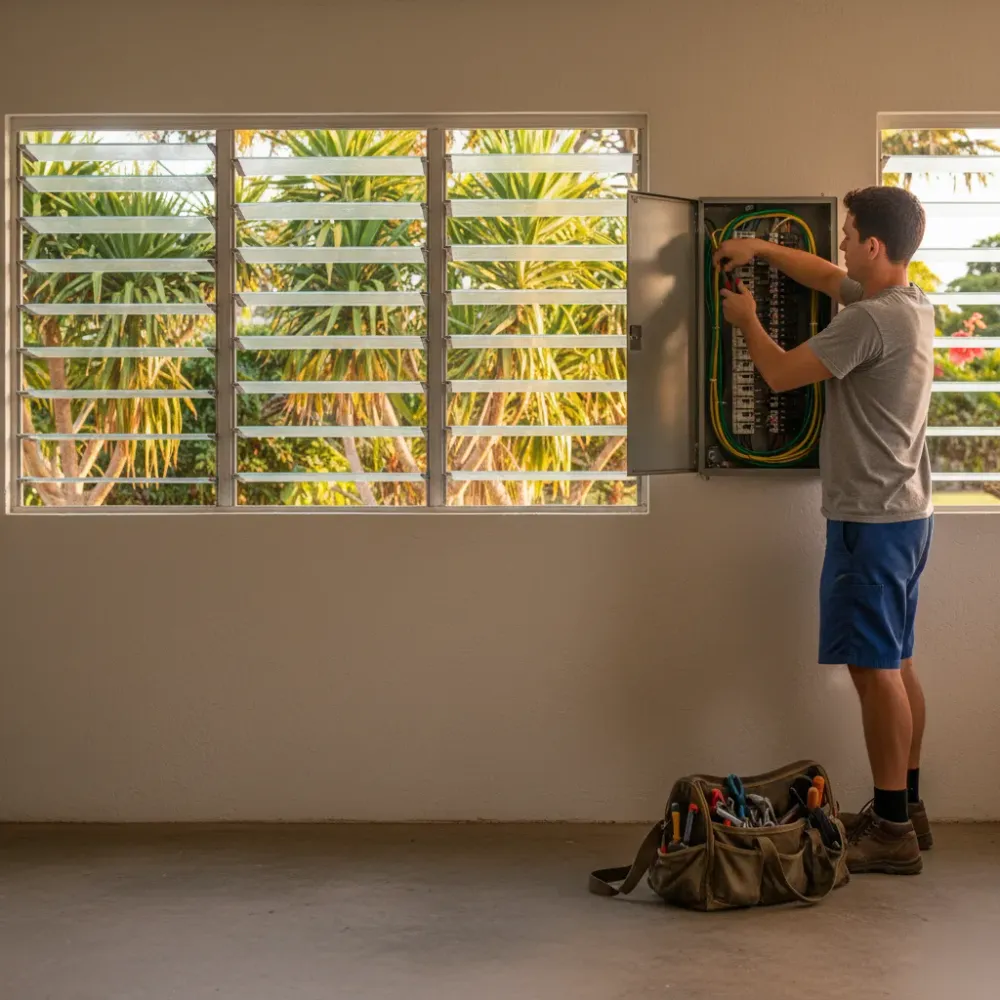
One thing most people skip? A periodic electrical inspection. Having a licensed electrician check your outlets, connections, and panel every few years catches small problems early. According to the Electrical Safety Foundation International, faulty electrical outlets contribute to thousands of home fires each year. Oahu’s climate speeds up the wear that leads to those failures. Staying proactive keeps your family safe and saves you from emergency repairs down the road. Give us a call if it’s been a while since your last inspection.
Frequently Asked Questions
Common questions about electrical outlet repair services in Oahu
How do I know if my outlet actually needs repair or if it’s just a tripped breaker?
If your outlet has no power but the breaker looks fine, the outlet itself likely needs repair. A tripped breaker affects a whole circuit, not just one spot. But a single dead outlet usually means a loose connection, a failed receptacle, or a tripped GFCI somewhere nearby. In older Oahu homes, corroded wiring terminals are often the real cause. A quick test with a phone charger in another outlet nearby can help you narrow it down before calling us.
Why do outlets in Oahu wear out faster than on the mainland?
Salt air and humidity on Oahu speed up corrosion inside outlet receptacles and on wiring terminals. That corrosion increases electrical resistance, which creates heat. Over time, metal contact points lose their grip and connections become loose. Homes near the coast, like in Ewa Beach or Kailua, tend to show this damage faster. Regular checks matter more here than in drier climates. If your outlets are more than 15 years old, it’s worth having them inspected.
Is a warm outlet something I should fix right away?
Yes, a warm outlet needs attention the same day you notice it. Heat at an outlet means something is wrong with the connection, the wiring, or the receptacle itself. It is one of the most common warning signs before an electrical fire starts. Do not keep using that outlet until it has been checked. Unplug everything from it and call a licensed electrician. In Oahu homes, this problem often comes from loose backstabbed connections or corroded terminals behind the faceplate.
What happens when the electrician arrives to repair my outlet in Oahu?
Your electrician will ask you to show them the problem outlet, then do a visual check before touching anything. They cut power to that circuit at the panel first. Then they test the outlet, pull the cover plate, and inspect every connection inside the box. Most repairs are diagnosed within 15 minutes. If the fix is straightforward, they handle it the same visit. You will be told clearly what was found and what was done before they leave.
Do bathroom and kitchen outlets in Oahu need to be a special type?
Yes, kitchens, bathrooms, garages, and outdoor areas in Oahu all require GFCI-protected outlets per electrical code. A GFCI outlet shuts off power instantly if it senses a ground fault, which protects you near water. If your bathroom outlet stopped working, a tripped GFCI is often the cause. Sometimes the GFCI itself has failed and needs replacing. Oahu’s humidity shortens the lifespan of GFCI outlets compared to drier climates, so older ones should be tested regularly.
Can I replace an outlet myself, or do I need a licensed electrician in Oahu?
You can swap a simple outlet yourself if you are comfortable working with electricity and the wiring is straightforward. But in Oahu, older homes often have aluminum wiring, reversed polarity, or corroded connections that are not safe to handle without training. Incorrect repairs can create fire hazards you cannot see from the outside. If you have any doubt about what is behind the wall, call a licensed electrician. The repair cost is small compared to the risk of getting it wrong.
Ready to Get Started?
Schedule Electrical Service Call (808) 427-7200 today.
