
Electrical Outlet Installation in Oahu
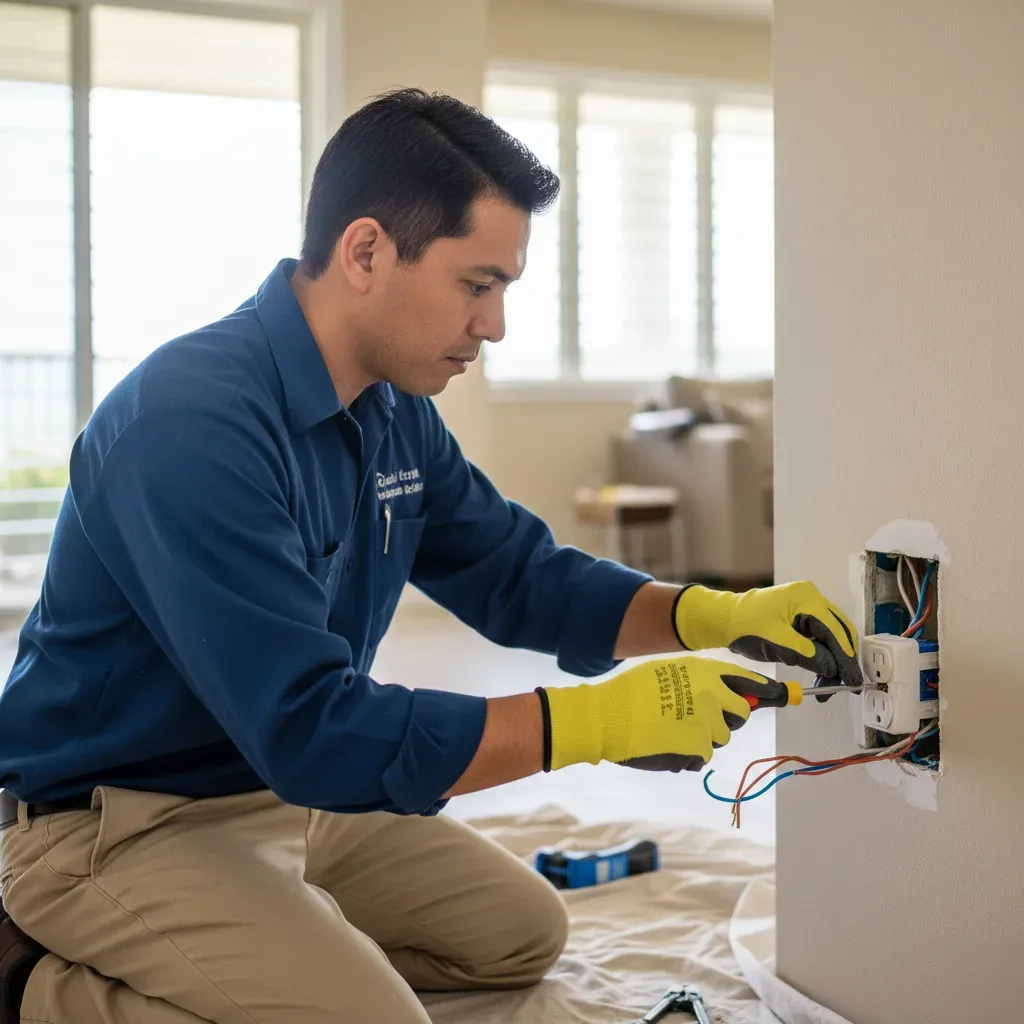
Quick Summary:
Electrical Outlet Installation in Oahu: Get It Done Right the First Time
What’s Covered on This Page
- Signs Your Oahu Home Needs More Electrical Outlets
- Choosing the Right Outlet Type for Your Oahu Property
- What to Expect During Electrical Outlet Installation in Oahu
- How Oahu’s Building Codes Shape Every Outlet Installation
- Keeping Your Outlets Safe After Installation in Oahu
- Do I need a permit to add electrical outlets in my Oahu home?
- How does Oahu’s humidity and salt air affect my electrical outlets?
- How long does it take to install a new electrical outlet?
- Is it safe to use power strips instead of adding new outlets?
- What types of outlets are required in kitchens and bathrooms in Oahu?
- What should I do before the electrician arrives to install my outlets?
Need electrical outlet installation?
Schedule Electrical Service. Call True Power Electrical Services now.
Signs Your Oahu Home Needs More Electrical Outlets
Power strips everywhere. That’s usually the first thing we notice when we walk into a home. You’ve got one behind the couch, another on the kitchen counter, maybe two or three in the bedroom. It feels normal because you’ve been living with it for years. But it’s not normal. It’s your home telling you something.
A lot of older homes across Oahu were built when families owned a TV, a toaster, and a couple of lamps. That was it. Now think about what you’re plugging in every single day. Laptops, phone chargers, air purifiers, rice cookers, instant pots, gaming consoles, smart speakers. The demand has completely changed, but the outlets in many Kailua and Honolulu homes haven’t kept up. We see this every single week.
Here’s what to watch for. If you’re constantly unplugging one thing to plug in another, that’s a sign. If your power strips are daisy-chained together, that’s more than a sign. That’s a fire risk. According to the Electrical Safety Foundation International, overloaded outlets and extension cords cause more than 3,300 home fires each year. Warm outlet covers are another red flag. So are tripped breakers that keep happening in the same room.
Notice scorch marks around an outlet plate? Don’t ignore that. It means the wiring behind the wall is working harder than it should. And if you’ve added a home office or converted a garage into living space, chances are good that room doesn’t have enough circuits to handle the load you’re putting on it.
Not sure if what you’re dealing with is serious? That’s actually pretty common. Most folks on Oahu don’t think about outlets until something sparks or a breaker won’t reset. But catching it early is always easier and safer than waiting for a problem to force your hand. If any of this sounds familiar, your home is ready for more outlets. The good news is that adding them is straightforward work for a licensed electrician who knows what they’re looking at.
Choosing the Right Outlet Type for Your Oahu Property
Not every outlet does the same job. That sounds obvious, but we get calls every week from homeowners who didn’t realize they needed a specific type until something stopped working or a home inspector flagged it. our full range of electrical services
Standard 15-amp outlets handle most of your everyday needs. Lamps, phone chargers, small electronics. They’re what you’ll find in bedrooms and living rooms across Kailua, Honolulu, and just about every neighborhood on Oahu. But the moment you start talking about kitchens, bathrooms, garages, or outdoor spaces, the rules change fast.
GFCI outlets are required anywhere moisture is present. Kitchens, bathrooms, laundry rooms, lanais, pool areas. These outlets detect ground faults and shut off power in a fraction of a second. Oahu’s humidity and salt air make GFCI protection even more critical than it might be on the mainland. According to the Electrical Safety Foundation International, GFCI outlets have cut electrocutions in the home by roughly 83 percent since the 1970s. We don’t skip these. Ever.
Then there are 20-amp outlets. Your kitchen countertop circuits need them. So do dedicated appliance circuits for things like garbage disposals and dishwashers. If you’re running a small commercial space, you’ll likely need 20-amp receptacles in several spots to handle heavier equipment loads safely.
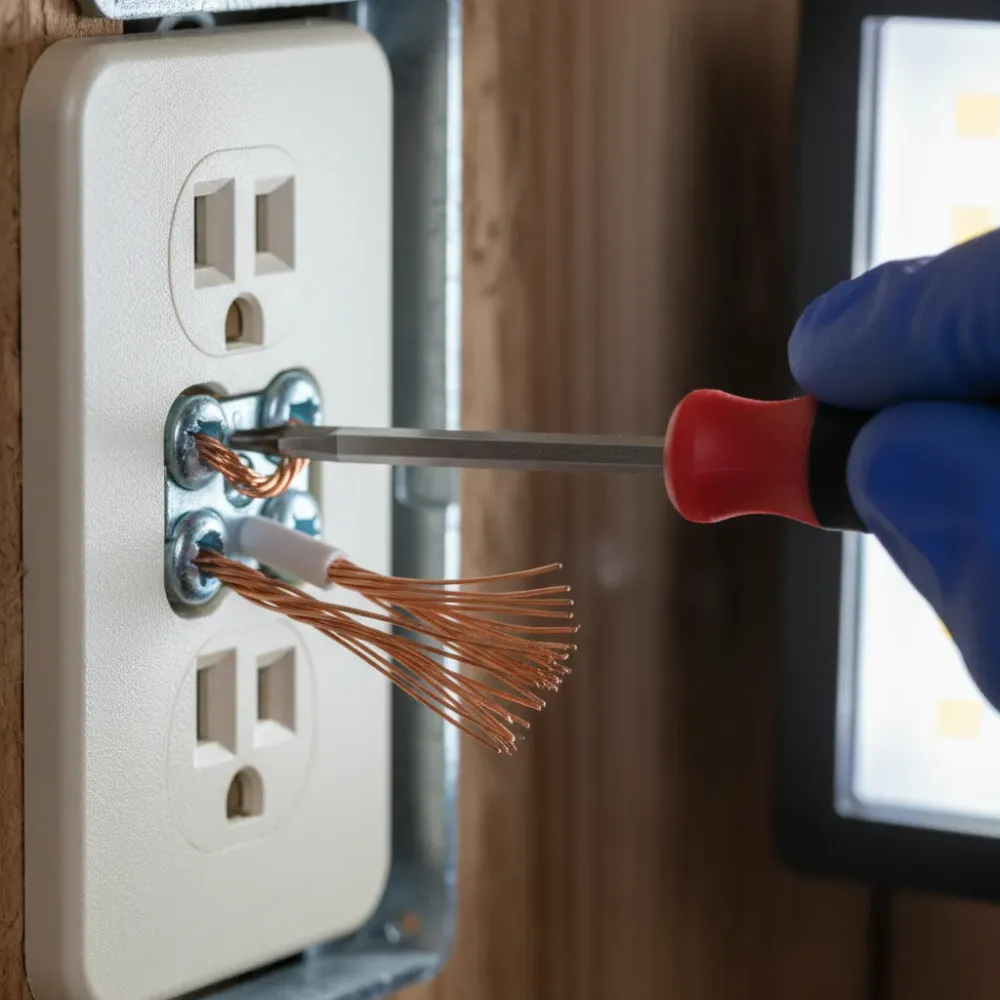
USB outlets are a popular upgrade we install in home offices and kitchen islands. They free up plug space and charge devices faster than those little wall adapters. Tamper-resistant outlets are now code-required in new construction and renovations, especially important if you’ve got keiki in the house.
So how do you know what goes where? That’s exactly what our licensed team figures out during a walkthrough. We look at the room’s purpose, your panel capacity, local code requirements, and what you actually plan to plug in. It’s not guesswork. Explore our full range of electrical services to see how outlet installation fits into a bigger picture for your property.
Getting the right outlet in the right spot means fewer tripped breakers, better safety, and no surprises down the road.
What to Expect During Electrical Outlet Installation in Oahu
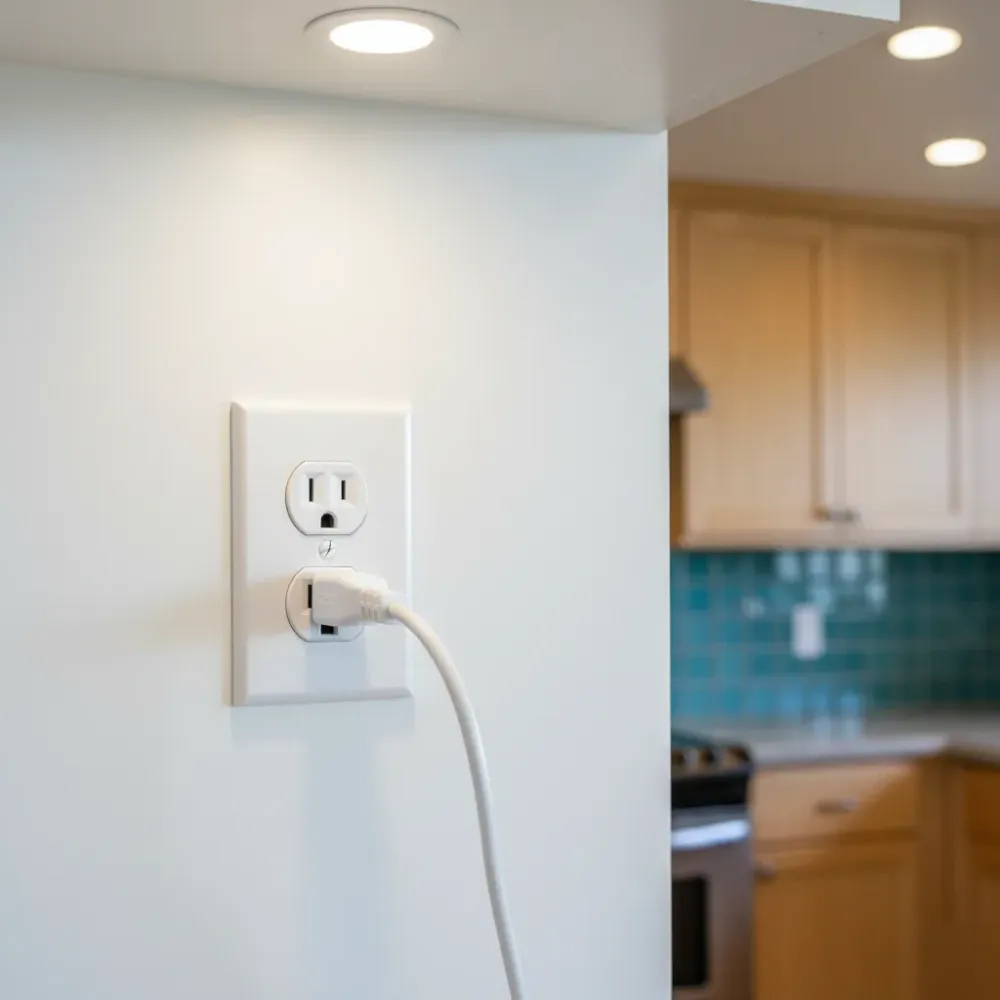
Here’s the honest truth. Most folks put off calling an electrician because they don’t know what the job actually looks like. So let’s walk through it step by step.
First, we show up and do a quick walkthrough with you. We look at where you want your new outlets, check the walls, and figure out what’s behind them. Older homes in Kailua and across Oahu can surprise you. Sometimes there’s outdated wiring hiding back there, or the existing circuit is already carrying too much load. We need to know that before we cut into anything.
Next comes the circuit check. We test the panel to see if your current electrical system can handle additional outlets. If you’re adding outlets in a kitchen, bathroom, or garage, there are specific code requirements for dedicated circuits and GFCI protection. We handle all of that. No guesswork. According to the National Fire Protection Association, electrical failures are a leading cause of home fires, so getting this part right matters more than people realize.
Then the actual installation starts. We turn off power to the area, cut the opening, run new wiring back to the panel if needed, and mount the outlet box. The whole process is usually cleaner than people expect. We patch up drywall openings and leave the area looking like we were never there. Nine times out of ten, a standard outlet install takes a couple of hours from start to finish.
Before we leave, we test every single outlet we’ve installed. We check polarity, grounding, and voltage. We make sure GFCI outlets trip and reset correctly. You’ll see us do this right in front of you.
And here’s something people appreciate. We walk you through what we did and why. If we spotted anything concerning during the install, like aluminum wiring or an overloaded panel, we’ll let you know. No pressure. Just straight information so you can make smart decisions about your home’s electrical system on Oahu. Our licensed team does this work every single day, and we want you to feel completely confident before we pack up the truck.
Need help with electrical outlet installation?
Schedule Electrical Service. True Power Electrical Services is ready to help.
How Oahu’s Building Codes Shape Every Outlet Installation
Every outlet we install on Oahu has to pass inspection. That’s not a suggestion. It’s the law.
The City and County of Honolulu follows the National Electrical Code, but local amendments add extra layers. Oahu’s building codes require permits for most new outlet installations, even if you’re just adding one receptacle in your garage. We pull those permits ourselves before any work starts. Skip that step and you’re looking at fines, failed inspections, or worse. We’ve seen homeowners in Kailua try to sell a house only to discover unpermitted electrical work that held up closing for weeks.
So what does code actually require? For starters, GFCI protection is mandatory in kitchens, bathrooms, garages, outdoor areas, and anywhere near water. According to the National Fire Protection Association, GFCI outlets have cut electrocution deaths in the home by roughly 83% since the 1970s. That’s not a small number. We install GFCI receptacles in every location the code demands, and sometimes in spots where it’s just smart practice even if it’s not strictly required.
Tamper-resistant outlets are another big one. Code says every 15-amp and 20-amp receptacle in a dwelling needs built-in shutters to protect kids from sticking objects into the slots. Older homes across Oahu almost never have these. If we’re adding outlets during a remodel in Manoa or Pearl City, we’re upgrading the surrounding receptacles to tamper-resistant models at the same time.
Spacing matters too. Kitchens need an outlet within two feet of every countertop edge. No point along a wall in a living area should be more than six feet from a receptacle. These rules exist so you don’t run extension cords everywhere, which is one of the top causes of residential fires.
Our team handles the inspection process from start to finish. We schedule it, meet the inspector on site, and make sure everything passes the first time. Nine times out of ten, jobs that fail inspection were done without a licensed electrician involved. That’s a headache you don’t need.
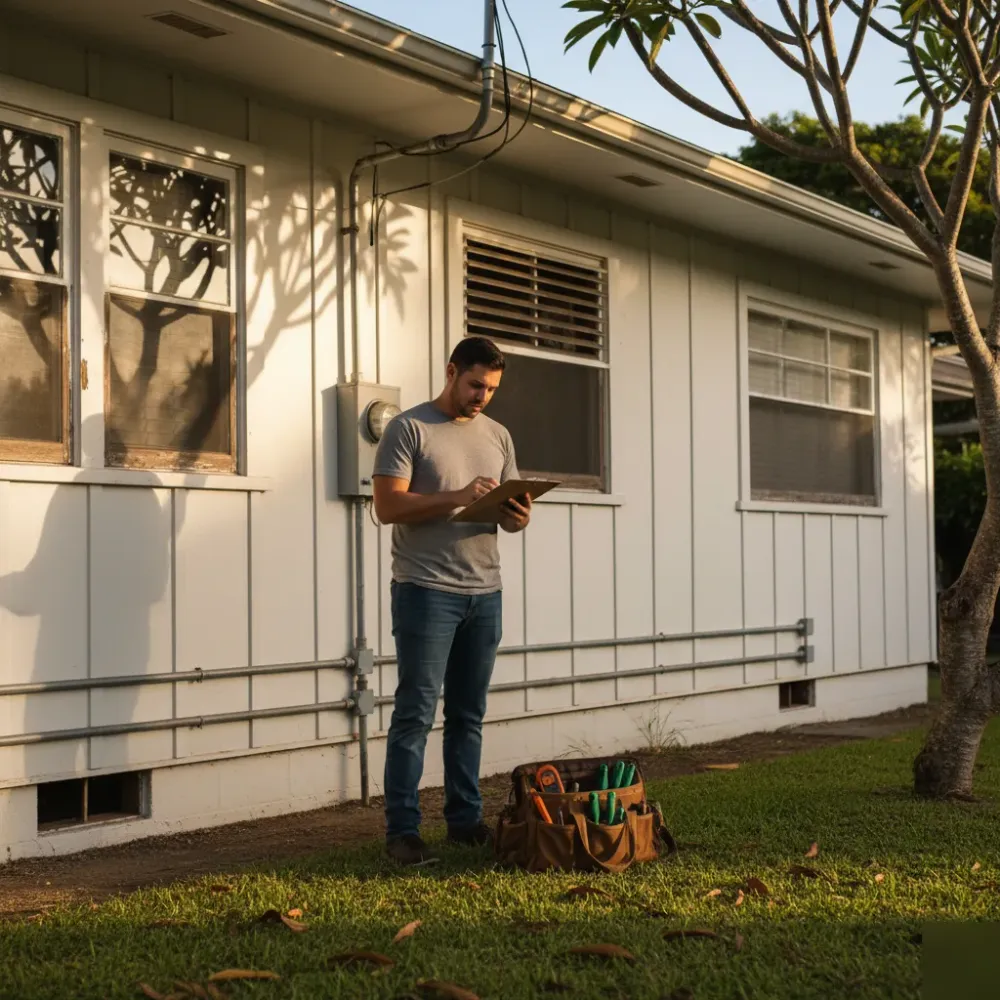
Keeping Your Outlets Safe After Installation in Oahu
New outlets don’t need much from you. But they do need a little attention over the years. Oahu’s salt air, humidity, and occasional storms can wear on electrical components faster than you’d expect. A few simple habits keep everything running safely for the long haul.
First, test your GFCI outlets once a month. That little “test” button on the face of the outlet is there for a reason. Press it. The outlet should click off. Then press “reset” to restore power. If nothing happens when you press test, or if the outlet won’t reset, call a licensed electrician. We see this all the time in homes near Kailua and along the windward coast, where moisture exposure is constant. A GFCI that won’t trip can’t protect you from shock. It’s that simple.
Pay attention to how your outlets feel. Warm cover plates are a warning sign. So are outlets that spark when you plug something in, or plugs that sit loosely and wobble. These aren’t quirks. They’re telling you something’s wrong inside the box. According to the U.S. Consumer Product Safety Commission, electrical receptacle problems contribute to thousands of home fires each year. Don’t brush off the small stuff.
Avoid overloading outlets with power strips stacked on top of each other. We’ve walked into offices and homes across Oahu where six devices hang off a single outlet through a chain of adapters. That’s a fire waiting to happen. If you need more power in a room, the right answer is adding dedicated circuits or additional outlets.
Keep an eye on outdoor outlets too. Weatherproof covers get brittle in the sun. Gecko droppings and red dirt can work their way into boxes over time. A quick visual check every few months catches problems early.
And here’s something most people skip. If your home is older than 20 years, have a licensed electrician inspect your outlets and wiring. Connections loosen. Insulation degrades. An inspection gives you peace of mind and catches issues before they become emergencies. Our team at True Power Electrical Services handles these inspections regularly for homeowners across the island. One visit can save you years of worry.
Frequently Asked Questions
Common questions about electrical outlet installation services in Oahu
Do I need a permit to add electrical outlets in my Oahu home?
Yes, most electrical outlet installations in Oahu require a permit through the City and County of Honolulu. Hawaii has specific electrical codes that licensed electricians follow on every job. Pulling the right permits protects you when you sell your home and keeps your insurance valid. We handle the permit process for you so you don’t have to figure it out yourself.
How does Oahu’s humidity and salt air affect my electrical outlets?
Salt air and high humidity in Oahu can corrode outlet contacts and damage wiring faster than in drier climates. That’s why GFCI outlets are so important here, especially in kitchens, bathrooms, lanais, and anywhere near the coast. Corroded outlets can cause flickering power or tripped breakers. A licensed electrician can spot early corrosion damage and replace outlets before it becomes a bigger problem.
How long does it take to install a new electrical outlet?
A standard outlet installation usually takes two to three hours from start to finish. That includes the walkthrough, circuit check, wiring, and final testing. If your home needs a new dedicated circuit run back to the panel, it can take a bit longer. We always give you a clear timeline before we start so you know what to expect that day.
Is it safe to use power strips instead of adding new outlets?
Power strips are fine for light, temporary use, but they are not a safe long-term fix. Daisy-chaining power strips together is a fire risk and happens in a lot of older Oahu homes that don’t have enough outlets. The Electrical Safety Foundation International links overloaded extension cords to thousands of home fires each year. Adding permanent outlets is always the safer and cleaner solution.
What types of outlets are required in kitchens and bathrooms in Oahu?
Kitchens and bathrooms in Oahu are required to have GFCI outlets anywhere near water. Kitchen countertops also need 20-amp circuits to handle appliances safely. These are not optional. Hawaii follows the National Electrical Code, and local inspectors check for this during permitted work. Installing the wrong outlet type in these rooms can create serious safety risks and may not pass inspection.
What should I do before the electrician arrives to install my outlets?
Clear the area around where you want the new outlets installed. Move furniture, boxes, or anything blocking the walls so we can get right to work. Know which rooms or spots you want covered so we can do a quick walkthrough together. If you have an older Oahu home, it also helps to know when it was built so we can plan for any outdated wiring we might find inside the walls.
Ready to Get Started?
Schedule Electrical Service Call (808) 427-7200 today.
