
Electrical installation service in Oahu
 Call Now (808) 427-3144
 Schedule Electrical Service
 Experienced Professionals
 Serving Oahu Area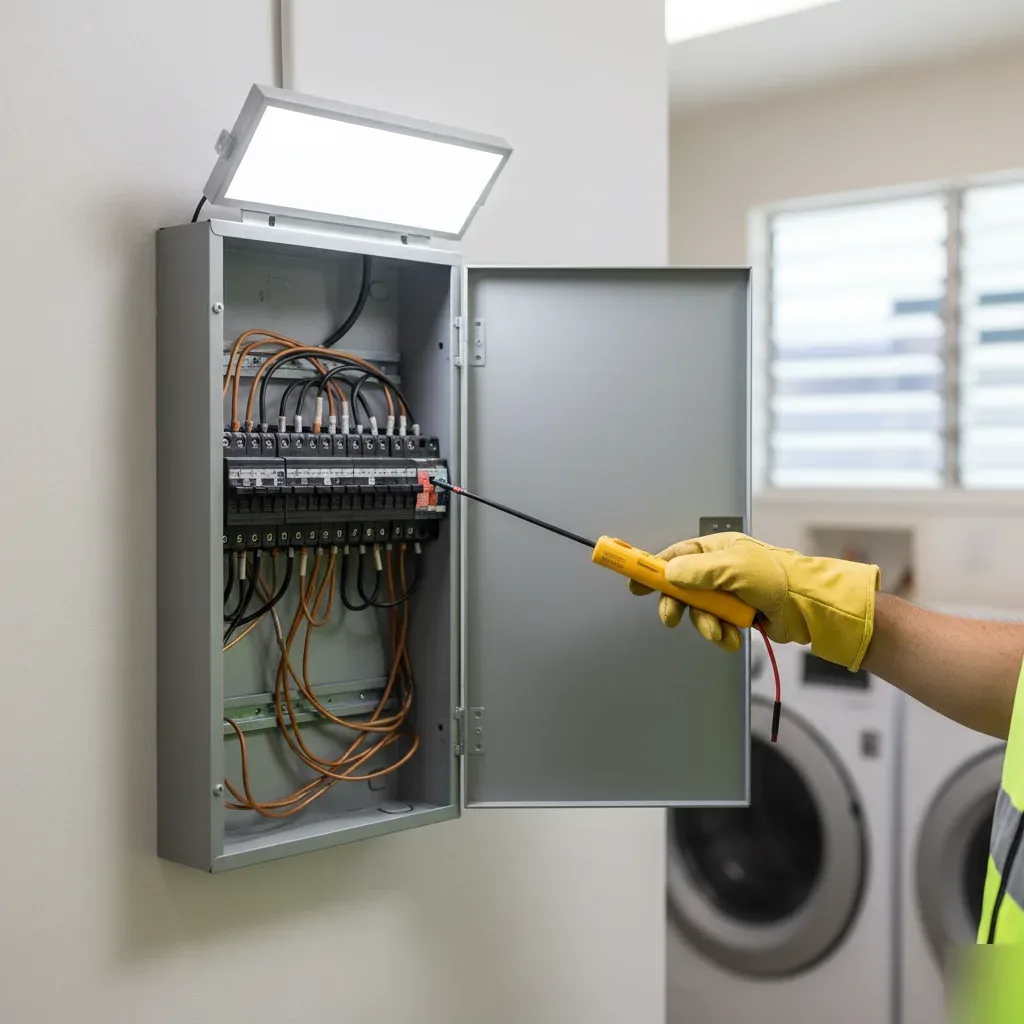
Quick Summary:
Professional Electrical Installation Service in Oahu for Homes and Businesses
What’s Covered on This Page
- What Electrical Installation Covers in Oahu
- Signs Your Oahu Property Needs New Electrical Installation
- How True Power Electrical Services Performs Installations Across Oahu
- How to Prepare Your Oahu Home Before the Electrician Arrives
- How to Verify Your Electrical Installation Was Done Correctly in Oahu
- What does electrical installation actually include for Oahu homes?
- Do I need a permit for electrical installation work in Oahu?
- How does Oahu’s salt air and humidity affect my home’s electrical system?
- How long does a typical electrical installation take?
- What should I expect when your electrician arrives for the job?
- What are the warning signs that my Oahu property needs new electrical installation?
Need electrical installation service?
Schedule Electrical Service. Call True Power Electrical Services now.
What Electrical Installation Covers in Oahu
People call us expecting we just swap out outlets. That’s part of it, sure. But electrical work in Oahu covers a lot more ground than most homeowners realize. Every new wire, circuit, fixture, and connection that goes into your home or business counts. From the panel all the way to the switch on your wall.
Here’s what we handle on a typical week. Panel upgrades for older homes still running on 100-amp service. New circuit runs for home offices, workshops, or that kitchen remodel you’ve been sitting on. Outlet installation in spots where you’ve been relying on extension cords way too long. Dedicated circuits for ranges, dryers, and water heaters. Whole-home lighting upgrades, inside and out. And EV charger installation, which has become one of our most requested jobs across Oahu.
We also do a lot of light commercial work. Small retail spaces in Kailua. Restaurants needing proper hood ventilation circuits. Office buildouts that require clean, code-compliant wiring from scratch. Every job is different, but the standard doesn’t change. It has to be safe, and it has to pass inspection.
Nine times out of ten, the call starts with something simple. A flickering light. A breaker that keeps tripping. Then we get on-site and find the real story. Maybe the wiring is aluminum from the 1970s. Maybe someone before us ran a circuit without a permit. That’s when a basic repair turns into a proper installation job. We see it every single week.
So what separates installation from a quick fix? Installation means new materials going in. New wire pulled through walls. New breakers seated in the panel. New connections tested and verified. It’s not patching something old. It’s building something right. Faulty wiring causes more than 50,000 home fires each year across the U.S., and that stat alone is why we don’t cut corners on anything.
If you’re adding anything electrical to your property, that’s installation work. And it deserves a licensed electrician who knows Oahu’s building codes cold.
Signs Your Oahu Property Needs New Electrical Installation
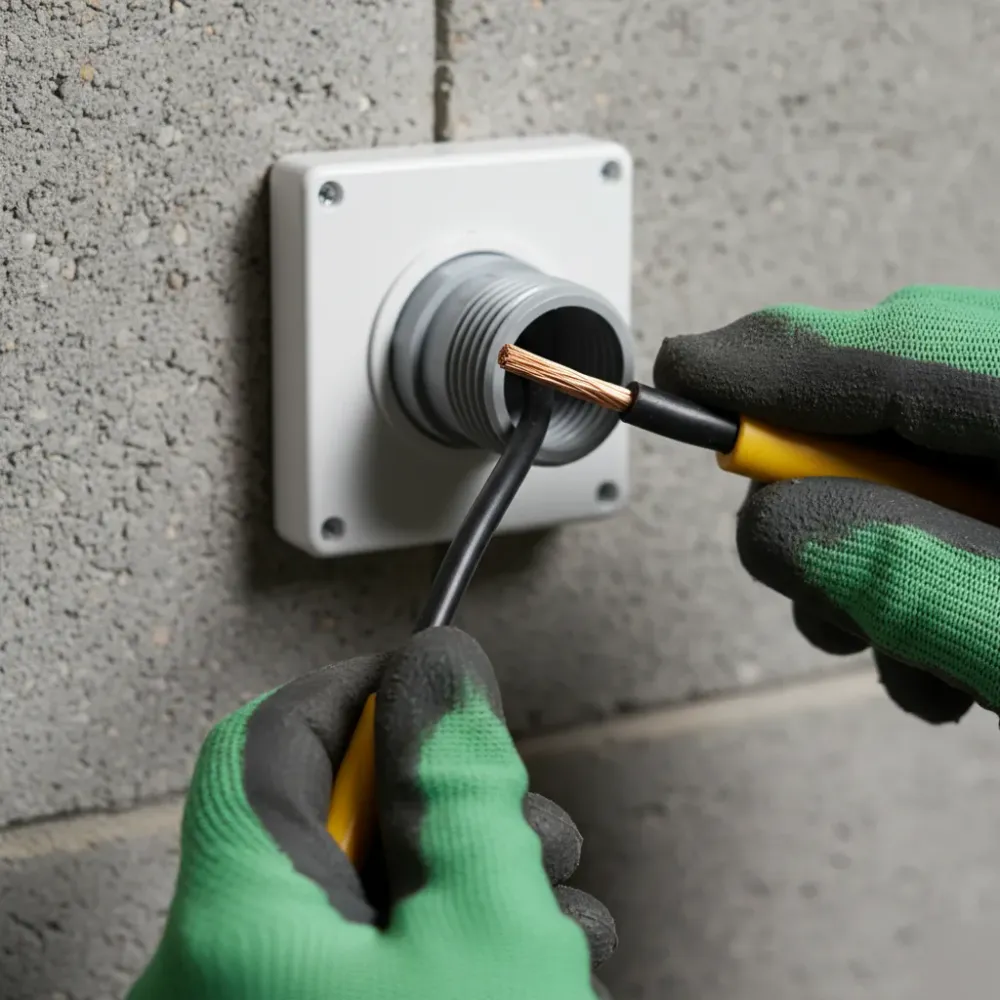
Flickering lights when you turn on the microwave. A breaker that trips every time you run the hair dryer. That faint burning smell near an outlet you can’t quite place. These aren’t small annoyances. They’re your home telling you something’s wrong.
We see it constantly across Oahu. A homeowner in Kailua calls because half the outlets in their kitchen went dead. A property manager in Honolulu spots scorch marks behind a wall plate during a routine walkthrough. By the time most people reach out, the signs have been sitting there for months.
Here’s what to watch for. Outlets that feel warm to the touch mean wiring is overheating behind the wall. Buzzing from a panel or switch plate points to loose connections. Circuits that can’t handle a single appliance without tripping tell you the system is overloaded. And if your home still has a fuse box or aluminum wiring from the 1960s or 70s, you’re running on borrowed time.
Older homes on Oahu face their own specific problems. Salt air corrodes connections faster than you’d expect. Humidity chews through insulation. Electrical failures cause roughly 46,700 home fires each year in the United States, and a big chunk of those start in houses where the warning signs got ignored.
Not sure if what you’re seeing is serious? That’s actually pretty common. Most homeowners aren’t electricians, and you shouldn’t have to guess. But some signals are hard to argue with. Two-prong outlets with no grounding. Extension cords used as permanent solutions. A panel rated for 100 amps trying to power a modern household with AC units, an EV charger, and a full kitchen.
If any of this sounds familiar, your property doesn’t need a quick fix. It needs proper electrical installation done right, done safe, and done to current code. Give us a call and we’ll give you a straight answer about where things stand.
How True Power Electrical Services Performs Installations Across Oahu
Every job starts the same way. We show up, walk the property, and listen. You tell us what you need. Maybe it’s a panel upgrade in your Kailua home because you’re adding a second story. Maybe it’s a full lighting overhaul for a small restaurant in Chinatown. We don’t start pulling wire until your space, your goals, and what your existing system can actually handle.
Our licensed electricians map out the full scope before any work begins. That means checking your current panel capacity, tracing existing circuits, and flagging anything that’s outdated or out of code. We run into knob-and-tube wiring in older Oahu homes more often than you’d think, and nine times out of ten the homeowner had no idea it was there. So we document everything and walk you through what we found, plain and simple.
Once we’ve got a clear picture, we pull permits and coordinate with local inspectors. Electrical work on Oahu has to meet both the National Electrical Code and Hawaii’s state amendments. We handle that paperwork so you don’t have to chase it down yourself. Not sure what permits your project needs? We deal with this every week.
The installation itself is clean and efficient. We protect your floors, cut precise openings, and run wiring through walls and attics with minimal disruption. For panel upgrades, we coordinate with HECO to schedule any required disconnects so your downtime stays short. For EV charger installs, we verify your garage or carport circuit can carry the load before mounting anything. For outlet and lighting work, we test every connection individually before we close things up. If you’re planning energy-efficient upgrades alongside your electrical work, the Energy Efficiency Home Upgrade Assistance program through ENERGY STAR may offer financial support worth exploring.
After the install, we don’t just flip the breaker and leave. Every circuit gets tested under load. Every connection gets checked tight. We walk you through what’s new, show you how everything works, and make sure the inspection gets scheduled. That’s how we run every single job.
Need help with electrical installation service?
Schedule Electrical Service. True Power Electrical Services is ready to help.
How to Prepare Your Oahu Home Before the Electrician Arrives
A little prep goes a long way. Nothing complicated. But a few simple steps help our team get started faster and get out of your hair sooner.
Clear the area around your electrical panel. We see this constantly. Boxes stacked in the garage, surfboards leaning against the wall, storage bins jammed into a closet. Your panel needs about three feet of open space in front of it. That’s not just our preference, it’s required by the National Electrical Code. If we can’t reach the panel safely, we can’t start work. So before we show up, take five minutes and move things out of the way.
Think about the rooms where we’ll be working. If we’re installing new outlets in your kitchen or upgrading lighting in a bedroom, pull furniture away from the walls. Slide the couch forward. Move that dresser out a couple feet. In older Kailua homes with tight hallways and smaller rooms, this makes a real difference. It keeps your stuff safe and gives us room to actually work.
Know where your main breaker is. Sounds basic. But about half the homeowners we visit on Oahu aren’t sure. Sometimes it’s on an exterior wall. Sometimes it’s tucked inside a utility closet. Find it before we arrive. Saves everyone time.
If you have pets, keep them in a separate room. Not because we don’t love dogs. We do. But open panel covers and exposed wiring aren’t safe for curious animals, and we’d rather not spend ten minutes coaxing a cat out from behind the breaker box.
One more thing. Write down what’s been going on. Which outlets aren’t working? Which lights flicker? When did you first spot the problem? A quick note like “the bedroom outlet stopped working after last Tuesday’s storm” speeds up our troubleshooting considerably, especially in Oahu homes where salt air and humidity already put extra stress on electrical systems. You’d be surprised how much that kind of detail changes what we look for first.
That’s it. No heavy lifting. Just a few minutes of prep so we can focus on the actual work the moment we walk through your door.
How to Verify Your Electrical Installation Was Done Correctly in Oahu
The work’s done. Everything looks clean. But how do you actually know it was done right? We get this question a lot, and it’s one of the smartest things a homeowner can ask.
Start with the permit. Every legitimate electrical installation on Oahu requires a permit pulled through the City and County of Honolulu’s Department of Planning and Permitting. If your electrician skipped this step, that’s a problem you can’t ignore. A proper permit means the work gets inspected by a county inspector checking it against the National Electrical Code. No permit, no inspection, no guarantee the work is safe. We’ve walked into homes in Kailua where previous work had zero permits. Outlets wired backward, panels with double-tapped breakers, ground wires just hanging loose. That’s what happens when nobody checks.
After the county inspection passes, do your own walkthrough. Won’t take long.
Check every new outlet and switch. They should sit flush against the wall with no gaps around the cover plate. Flip each switch and confirm it controls the right fixture. Plug something into every new outlet. Sounds basic, right? But you’d be surprised how often a single outlet gets missed during final testing. We test every connection before we leave a job, but you should verify too. It’s your home.
Open your panel and look at the labeling. Every breaker should be clearly marked with the room or circuit it serves. Blank or confusing panel directories are a real problem during emergencies when someone needs to kill power fast. If yours looks like a guessing game, the job isn’t truly finished.
Look for exposed wiring or junction boxes without covers. Code violations and potential hazards, both of them. All wire connections need to be inside a covered box. No exceptions.
Ask your electrician for documentation. A good contractor on Oahu will hand you the signed permit card, a description of work completed, and confirmation that inspection passed. Keep those records. They matter when you sell your home, file an insurance claim, or plan future upgrades. And if anything feels off, even slightly, call and ask. A licensed electrician who stands behind their work won’t hesitate to come back and walk you through it.
Frequently Asked Questions
Common questions about electrical installation service services in Oahu
What does electrical installation actually include for Oahu homes?
Electrical installation covers any new wiring, circuits, outlets, panels, or fixtures added to your home or business. It goes well beyond swapping outlets. We handle panel upgrades, new circuit runs, EV charger installs, dedicated circuits for appliances, and full lighting overhauls. If new materials are going into your walls or panel, that counts as installation work. It has to be done by a licensed electrician and pass inspection here in Oahu.
Do I need a permit for electrical installation work in Oahu?
Yes, most electrical installation jobs in Oahu require a permit. Hawaii follows the National Electrical Code plus state-specific amendments. We pull the permits and coordinate with local inspectors on your behalf. You should never skip this step. Unpermitted work can create serious safety risks and cause big problems when you sell your home. We handle the paperwork every week, so you don’t have to chase it down yourself.
How does Oahu’s salt air and humidity affect my home’s electrical system?
Salt air and high humidity corrode electrical connections faster than most homeowners expect. Insulation breaks down. Connections loosen inside panels and outlets. Older Oahu homes are especially vulnerable, particularly those with aluminum wiring from the 1960s and 70s. If your home is near the coast, routine checks matter even more. Warm outlets, buzzing panels, or flickering lights are signs the environment may already be working against your wiring.
How long does a typical electrical installation take?
Most residential jobs take one to two days depending on scope. A single circuit or outlet run can be done in a few hours. A full panel upgrade or whole-home rewire takes longer and requires coordinating with HECO for any disconnect. We walk you through the timeline before we start so there are no surprises. Permit scheduling can add a few days, but we manage that process for you from start to finish.
What should I expect when your electrician arrives for the job?
We start by walking your property and listening to what you need. Then we check your current panel, trace existing circuits, and flag anything outdated or out of code. We explain what we found in plain language before any work begins. During the job, we protect your floors and make clean, precise openings. After the install, every connection gets tested individually before we close anything up. We don’t flip the breaker and leave.
What are the warning signs that my Oahu property needs new electrical installation?
Watch for outlets that feel warm, breakers that trip under normal use, buzzing near your panel, or a faint burning smell near wall plates. Two-prong outlets and fuse boxes are also red flags. Homes across Oahu with older wiring often show these signs for months before owners call. If you’re running extension cords as permanent solutions or your panel can’t handle modern appliances, your home needs proper installation, not a quick patch.
Ready to Get Started?
Schedule Electrical Service Call (808) 427-3144 today.
