
Circuit Breaker Installation & Repair in Oahu
 Schedule Electrical Service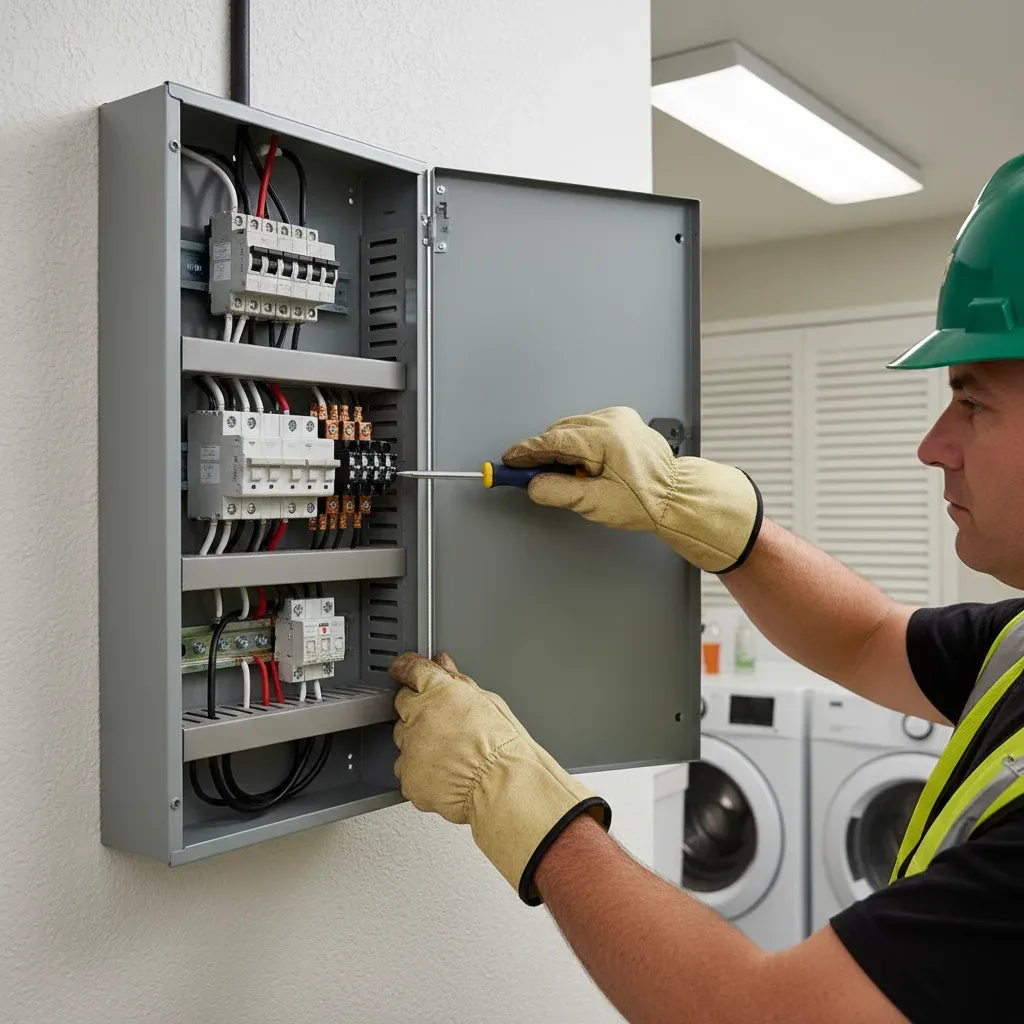
Quick Summary:
Circuit Breaker Installation & Repair in Oahu, Done Right the First Time
What’s Covered on This Page
- Signs Your Oahu Home Needs a Circuit Breaker Inspection
- When to Repair vs. Replace a Circuit Breaker in Oahu
- What Oahu Homeowners Should Do Before the Electrician Arrives
- How True Power Electrical Services Performs Circuit Breaker Work Across Oahu
- How to Confirm the Repair Was Done Correctly in Your Oahu Home
- How do I know if my circuit breaker needs repair or full replacement?
- Is a tripping circuit breaker dangerous in an Oahu home?
- Does Oahu’s salt air and humidity affect circuit breakers?
- How quickly can I get a circuit breaker inspection scheduled on Oahu?
- What should I do before the electrician arrives to look at my panel?
- Can a circuit breaker be repaired without replacing the whole panel?
Need circuit breaker installation & repair?
Schedule Electrical Service. Call True Power Electrical Services now.
Signs Your Oahu Home Needs a Circuit Breaker Inspection
Your panel talks to you. Most people just don’t know what to listen for.
The most obvious sign is a breaker that keeps tripping. Once in a while? Normal. But if you’re walking to the garage to flip the same switch every few days, something deeper is going on. We see this constantly in older Kailua homes where the original panels just can’t handle modern loads. Air conditioning, kitchen appliances, maybe a new EV charger. It all adds up fast, and a breaker that won’t stay on is telling you it’s overwhelmed.
Flickering lights are another red flag. Not the quick blink when your AC kicks on. Lights that dim when you run a hair dryer or microwave. That usually points to a loose connection inside the panel or a breaker that’s starting to fail. Either way, it needs attention.
Here’s one that surprises people. A burning smell near your electrical panel. Even faint. If you catch a whiff of something warm or metallic near your breaker box, don’t wait on that. Electrical failures are a leading cause of home fires, and a hot or discolored breaker means something is arcing or overheating inside the panel. That’s genuinely dangerous.
Rust, corrosion, or a panel door that won’t close right. Oahu’s salt air and humidity are brutal on electrical equipment. Homes near the coast in areas like Ewa Beach or Kapolei tend to show corrosion faster than you’d expect. If your panel looks rough on the outside, the inside is probably worse.
Breakers that feel hot to the touch. A buzzing or humming sound coming from the panel. Scorch marks around any switch. Any of these mean it’s time to get a licensed electrician out. Not next month. Soon.
Most homeowners on Oahu aren’t electricians. You don’t need to diagnose it yourself. You just need to know when something looks or sounds off and make the call.
When to Repair vs. Replace a Circuit Breaker in Oahu
This is the question we get more than any other. And the answer isn’t always obvious until we open up the panel and take a look.
Simple version: if a breaker trips once and resets fine, it probably did its job. Caught an overload, shut things down, you’re good. But if that same breaker trips again next week, or won’t stay reset, or feels warm to the touch, something deeper is going on.
A breaker that keeps tripping has usually either worn out internally or it’s connected to a circuit pulling more power than it can handle. Older homes in Kailua and across Oahu often have panels sized for the electrical loads of the 1970s or 1980s. Add a window AC unit, a home office setup, and an EV charger, and that original breaker just can’t keep up. Replacing it with one rated for the actual load is the right call.
Repair makes sense when the issue is a loose connection, minor corrosion on the bus bar, or a wiring problem feeding into the breaker. We can tighten connections, clean contact points, and verify the circuit is performing correctly. Straightforward fix.
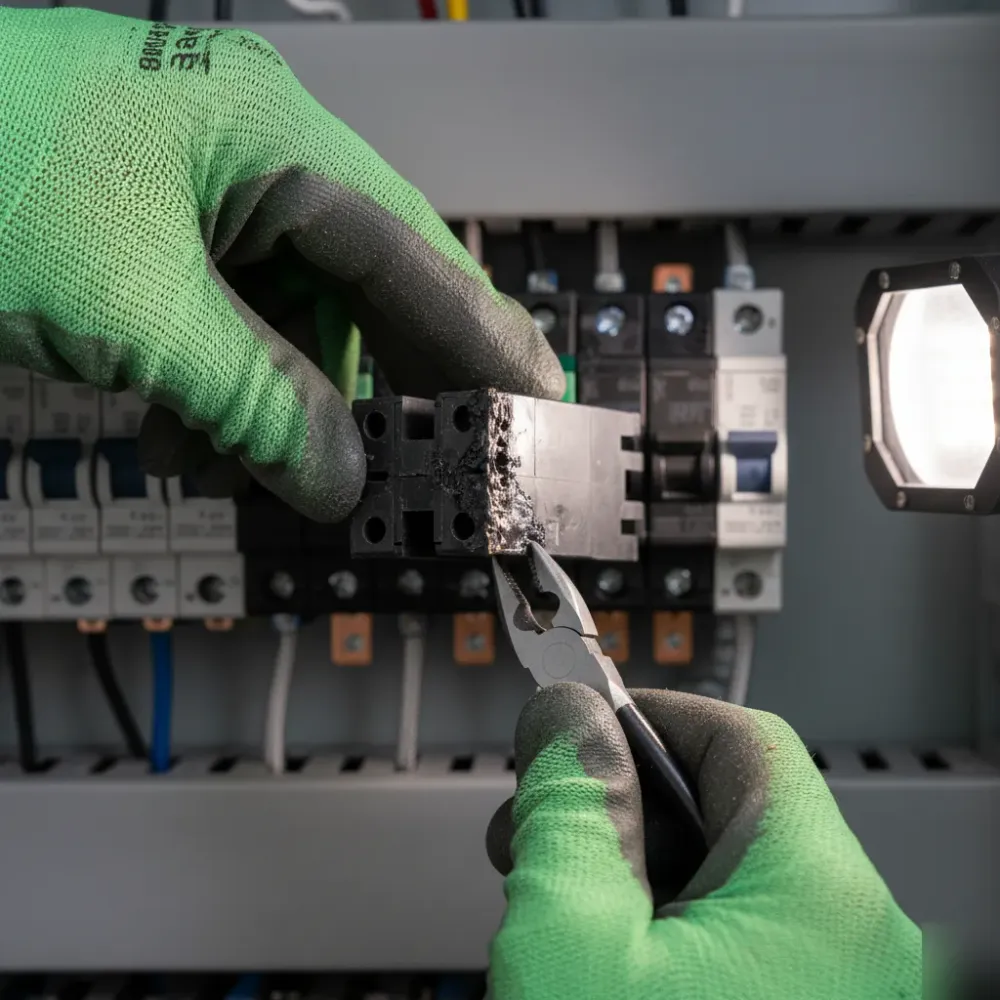
Replacement is the move when we spot scorch marks, a cracked breaker body, or a breaker that physically won’t latch. Faulty circuit breakers are a leading contributor to home electrical fires. That’s not something to put off. If the breaker shows any sign of heat damage or internal failure, we pull it and install a new one that meets current code. Homeowners who have recently made energy-efficiency upgrades or installed new electrical equipment may also want to review the Internal Revenue Bulletin: 2023-52 for guidance on applicable federal tax provisions related to residential energy improvements.
Not sure which situation you’re dealing with? Our licensed electricians can diagnose it quickly and give you a straight answer. No guesswork, no unnecessary parts. We see both scenarios every single week on Oahu.
What Oahu Homeowners Should Do Before the Electrician Arrives
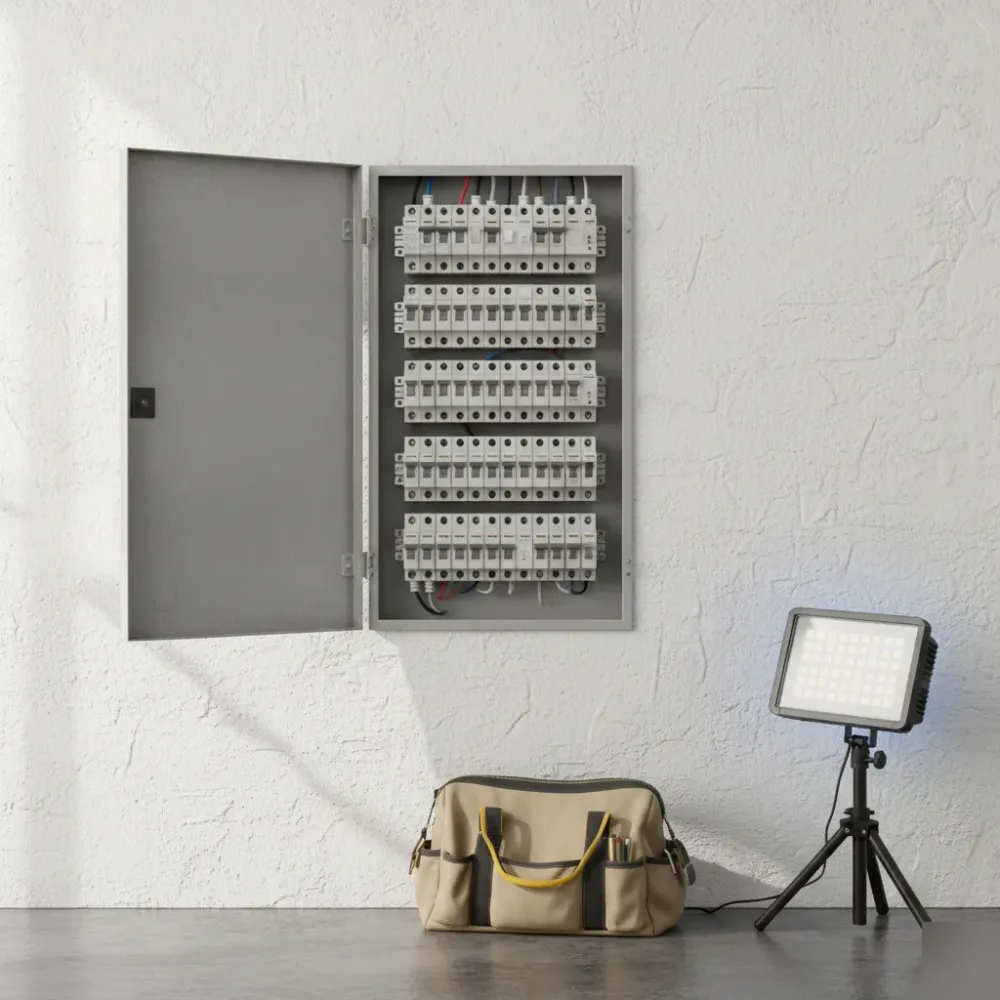
A little prep goes a long way. Nothing fancy. But a few simple steps help us work faster and keep your home safe during the visit.
Find your electrical panel. Sounds obvious, right? But you’d be surprised how many folks in Kailua and across Oahu haven’t opened that panel door in years. Some panels are tucked inside garage cabinets or buried behind storage shelves. Clear a path so we can get to it right away. We need about three feet of open space in front of the panel. That’s not just our preference. It’s an electrical code requirement.
Make a quick list of what you’ve been noticing. Which breakers trip, how often, and what you were running at the time. Did lights flicker when you turned on the microwave? Did the breaker trip only at night when the AC kicks on? These details matter more than you’d think, because your observations usually point us straight to the problem. A good note saves diagnostic time and saves you money.
If you’ve got pets, keep them in another room while we’re working. We love dogs, but a nervous one near an open panel isn’t safe for anyone. Same goes for small kids.
Turn off sensitive electronics near your panel. Computers, gaming systems, anything with a hard drive. We may need to cut power briefly during testing or installation, and a sudden shutoff can damage those devices.
One more thing. Check whether your panel has labels. Most Oahu homes built before the 1990s have labels that are faded, wrong, or missing entirely. Don’t worry about fixing them yourself. But if you happen to know which breaker controls which room, that info helps us move quickly. We’ll update the labeling as part of our work anyway.
So gather your notes, clear the path, and secure the pets. We handle everything else once we’re on-site.
Need help with circuit breaker installation & repair?
Schedule Electrical Service. True Power Electrical Services is ready to help.
How True Power Electrical Services Performs Circuit Breaker Work Across Oahu
We show up with a plan. Every job starts with a full panel assessment before we touch a single wire. We check the bus bar condition, inspect for corrosion from Oahu’s salt air, test each breaker’s trip response, and verify your grounding system is solid. No guesswork.
Here’s what actually happens on a typical call. Our licensed electrician arrives, talks with you about what you’ve been experiencing, then opens the panel. In most cases we can spot the problem within the first fifteen minutes. A breaker that won’t reset. A double-tapped lug someone left behind from a past renovation. Scorch marks on the bus bar that tell us heat has been building for months. We document everything and walk you through it so you know exactly what’s going on inside your panel.
For replacements, we match the breaker to your panel’s specs and current electrical code requirements. That matters more than people realize. A breaker that doesn’t seat properly in the bus bar creates a loose connection, and loose connections create heat. We’ve pulled breakers out of homes in Kailua that were the wrong brand entirely, just jammed in by a previous handyman. The kind of thing that keeps us up at night.
New installations follow a tighter process. If you’re adding a dedicated circuit for an EV charger or a mini-split system, we calculate the load, size the wire correctly, and install a breaker rated for the demand. We also coordinate with the city for any required permits and inspections. Cutting corners on breaker installation isn’t something we’ll ever do.
After every install or repair, we test. We verify the breaker trips at the correct amperage, confirm tight connections with a torque wrench, and make sure your panel labeling is accurate. Clean, safe, working the way it should. That’s the standard for every home and small business we serve across Oahu.
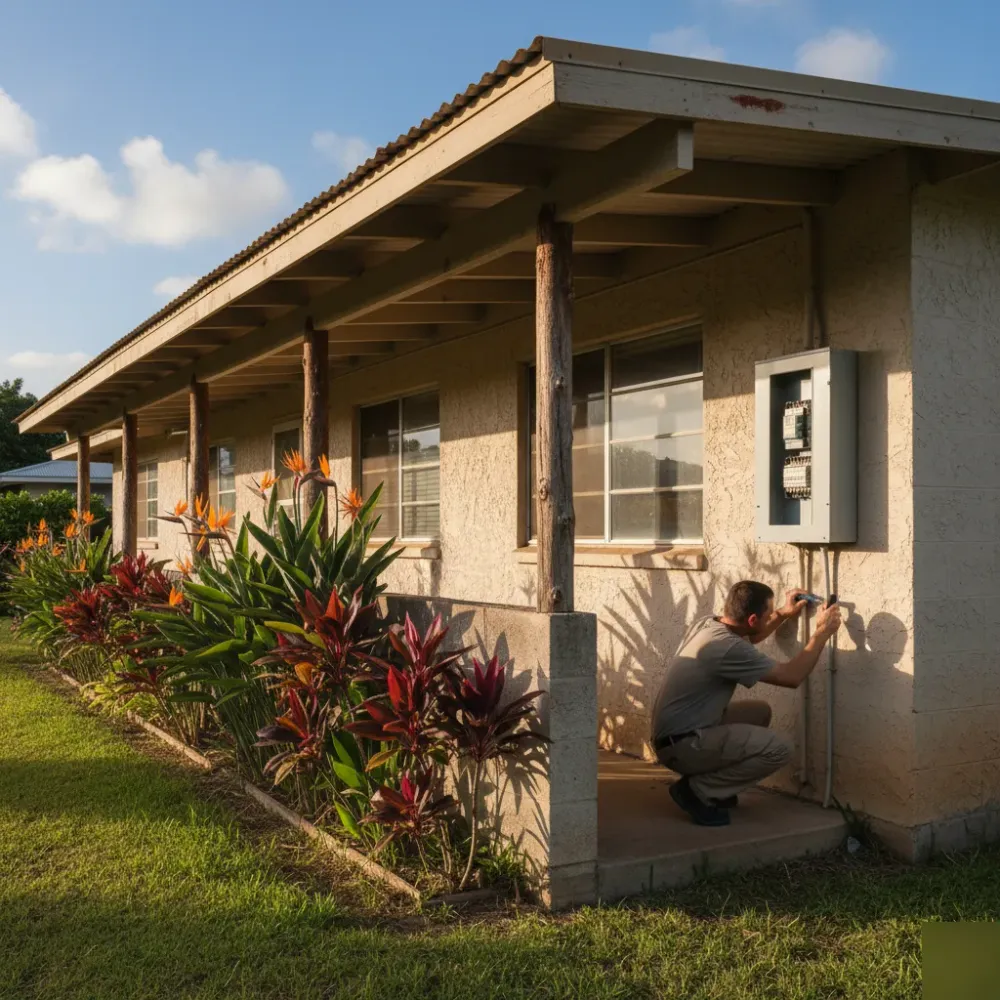
How to Confirm the Repair Was Done Correctly in Your Oahu Home
A finished job should prove itself. Not just look done.
After we complete a circuit breaker repair or installation, we walk every customer through what changed and why. You deserve to understand what’s happening inside your own panel. So here’s what to check before any electrician leaves your property.
The breaker should sit flush in the panel. No gaps, no wobble. If you can wiggle it with your finger, something’s wrong. The connection between the breaker and the bus bar needs to be tight and secure. A loose fit creates heat, and heat is exactly what starts electrical fires. We spot loose breakers more often than you’d think, especially in older Kailua and Kaneohe homes where panels have been worked on multiple times over the decades.
Flip the breaker off, then back on. It should snap firmly into both positions. Mushy feel, stops halfway. That breaker isn’t functioning right. And if it trips again within a few minutes of being reset, the underlying problem wasn’t actually fixed. When someone calls us for a repeat trip, the root cause was almost never diagnosed properly the first time around.
Ask your electrician for a brief explanation of what they found. A good licensed contractor won’t rush out the door. They’ll tell you which circuit was affected, what caused the issue, and whether your panel needs any follow-up attention. Knowing what was repaired helps you catch future warning signs early.
Confirm the work was permitted if required. Oahu has specific permitting rules through the City and County of Honolulu for certain electrical modifications, and panel upgrades or new breaker additions typically need inspection. Don’t skip this step. It protects your home’s value and your family’s safety.
Then check the rest of the house. Turn on lights, appliances, and outlets on the affected circuit. Everything should run without flickering, buzzing, or warm outlet covers. That’s your real confirmation. Not paperwork. Not promises. The lights come on, stay on, and nothing smells hot. That’s a job done right.
Frequently Asked Questions
Common questions about circuit breaker installation & repair services in Oahu
How do I know if my circuit breaker needs repair or full replacement?
If your breaker trips once and resets fine, it probably just did its job. But if it keeps tripping, won’t stay reset, or feels warm to the touch, it likely needs to be replaced. We look for scorch marks, cracked breaker bodies, and signs of heat damage. Any of those mean the breaker has failed internally. A quick inspection tells us exactly which situation you’re dealing with — no guesswork needed.
Is a tripping circuit breaker dangerous in an Oahu home?
A breaker that trips occasionally is doing its job. One that trips repeatedly is warning you something is wrong. On Oahu, older homes in areas like Kailua were wired for much lighter electrical loads than we use today. Adding AC units, EV chargers, or home office equipment can overwhelm those original breakers. Left alone, an overloaded or failing breaker can arc and overheat inside the panel — and that’s a real fire risk.
Does Oahu’s salt air and humidity affect circuit breakers?
Yes, and more than most homeowners expect. Salt air and high humidity corrode electrical components faster here than in drier climates. Homes near the coast in areas like Ewa Beach and Kapolei tend to show corrosion on panels quickly. If your panel looks rough on the outside, the inside is usually worse. That corrosion can cause loose connections and breaker failure. Regular inspections help catch this before it becomes a bigger problem.
How quickly can I get a circuit breaker inspection scheduled on Oahu?
We serve homeowners across Oahu and try to get out to you as fast as possible — especially when you’re describing signs like burning smells, hot breakers, or repeated tripping. Those aren’t situations you want to sit on. When you call, let us know what you’re experiencing and we’ll prioritize accordingly. Most inspections don’t take long once we’re on-site, so we can usually fit you in without a long wait.
What should I do before the electrician arrives to look at my panel?
Clear a three-foot path in front of your panel — that’s actually required by electrical code. Write down which breakers have been tripping and what you were running at the time. Turn off sensitive electronics like computers and gaming systems near the panel, since we may cut power briefly during testing. Keep pets in another room. These small steps help us get straight to work and diagnose the problem faster.
Can a circuit breaker be repaired without replacing the whole panel?
Yes, in many cases. If the issue is a loose connection, minor corrosion on the bus bar, or a single failing breaker, we can fix or swap just that component. A full panel replacement is only needed when the panel itself is undersized, severely damaged, or no longer meets current code. We give you a straight answer after the inspection — we’re not going to recommend more work than your Oahu home actually needs.
Ready to Get Started?
Schedule Electrical Service Call (808) 427-3144 today.
